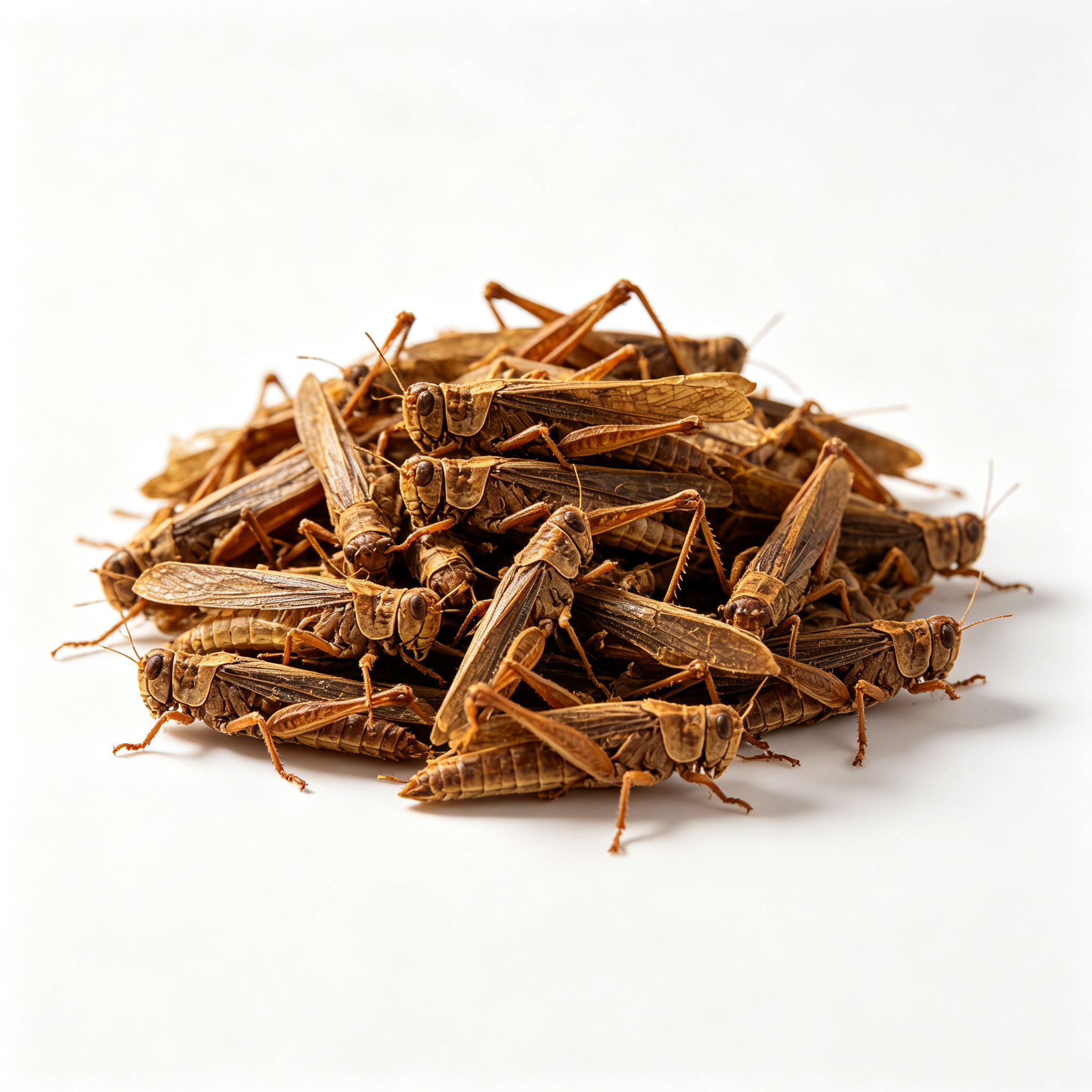

Sourcing premium Wholesale Dried Crickets processed via advanced microwave technology is rapidly revolutionizing the high-end pet food, exotic animal, and specialized livestock feed markets by significantly outperforming traditional hot air-dried alternatives. For international B2B procurement managers, purchasing directors, and senior feed formulators handling large-scale global contracts, the source factory’s dehydration methodology is the single most defining factor in overall ingredient quality. As the alternative protein sector scales to meet global demand, the constant, industry-wide struggle is finding a bulk insect protein source that retains its maximum nutritional density without introducing biological instability during complex global ocean freight. Understanding the immense biochemical and logistical differences between these two competing drying methods is absolutely crucial for optimizing feed performance, drastically lowering formulation costs, and protecting multi-million dollar international procurement budgets.
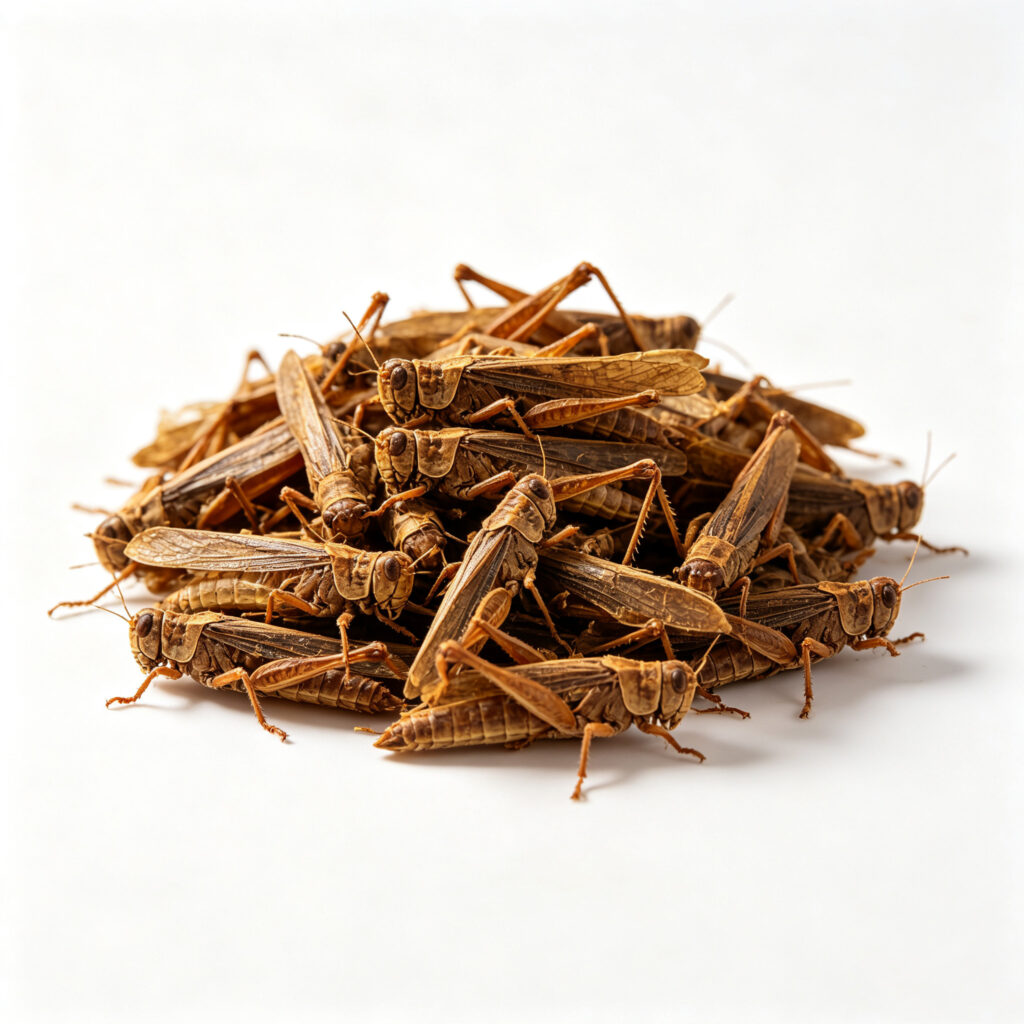
Overcoming Thermal Stress in Wholesale Dried Crickets
The conventional hot air drying process relies heavily on applying external heat to the raw insects over an extended, multi-hour period in massive industrial ovens. While this outdated method is undeniably cheap for the manufacturer to operate, this prolonged thermal exposure inevitably creates a severe Maillard reaction within the insect’s organic cellular structure. This complex chemical reaction darkens the ingredient, creates an undesirable burnt odor, and most importantly, it drastically reduces the bioavailability of its Crude Protein. When commercial buyers source hot air-processed ingredients, they often fail to realize that these heat-damaged amino acids directly lead to an inferior Feed Conversion Ratio (FCR) on the farm. Consequently, commercial feed manufacturers are forced to artificially increase their formulation costs by heavily adding expensive synthetic amino acid supplements—such as artificial lysine and methionine—just to compensate for the critical nutritional value lost during the factory’s cheap processing phase.
Conversely, advanced microwave dehydration utilizes highly precise electromagnetic waves to generate heat directly from the water molecules within the insect itself. This state-of-the-art volumetric heating causes rapid, highly uniform moisture evaporation from the inside out, rather than relying on slow heat penetration from the outside in. By cutting the total drying time down from several hours to a mere fraction of conventional thermal methods, microwave technology perfectly preserves both the structural integrity and the pristine nutritional profile of the product. Extensive independent laboratory analyses and rigorous batch testing consistently demonstrate that microwave processing retains an impressive Crude Protein level of over 60%. Furthermore, this lightning-fast process completely protects the delicate lipid profiles from early oxidation. By explicitly preventing the rancidity issues that heavily plague hot-air dried batches, microwave technology guarantees a significantly longer, highly stable shelf life for international distributors and storage facilities.
Beyond the immediate nutritional and biochemical advantages, the chosen dehydration technology dictates the absolute safety and compliance of your global supply chain. Conventional drying frequently leaves hidden pockets of residual moisture deep within the crickets, creating a highly uneven moisture distribution across a single commercial batch. When these inconsistently dried insects are packed in bulk woven bags and loaded into shipping containers, the severe temperature fluctuations experienced during a standard 30-to-40-day ocean transit cause extreme condensation, commonly known in the logistics industry as “container rain.” This deadly moisture trap leads directly to the rapid proliferation of aflatoxins, Salmonella, and widespread mold growth. Ultimately, this results in devastating cargo seizures, massive port demurrage fees, and outright rejections by customs authorities and health departments at the destination port.
Investing in microwave-processed Wholesale Dried Crickets yields significantly better long-term commercial outcomes for international bulk buyers negotiating complex CIF or FOB contracts. The remarkably uniform moisture level—strictly maintained at under 5%—achieved through advanced microwave technology acts as a formidable, built-in defense mechanism against microbial risks during international transit. This processing superiority ensures that your highly valuable inventory arrives at the destination port exactly as specified in the pre-shipment Certificate of Analysis (COA).
When evaluating potential manufacturing partners, procurement teams must demand total technological transparency. Securing a premium supply of Wholesale Dried Crickets dried via microwave technology completely eliminates the risk of regulatory customs rejections. This strategic procurement approach empowers B2B feed formulators to aggressively expand their market share, allowing them to produce premium, high-margin pet food blends and specialized aquafeeds with total operational confidence, fully knowing their underlying raw materials are nutritionally uncompromised and structurally perfect.
Looking for a Reliable Supplier? BulkInsects utilizes advanced microwave dehydration technology to ensure premium quality. Fully SGS certified with COA provided per batch. Start your market test with our 1000kg MOQ. Contact us today for CIF pricing and free samples.