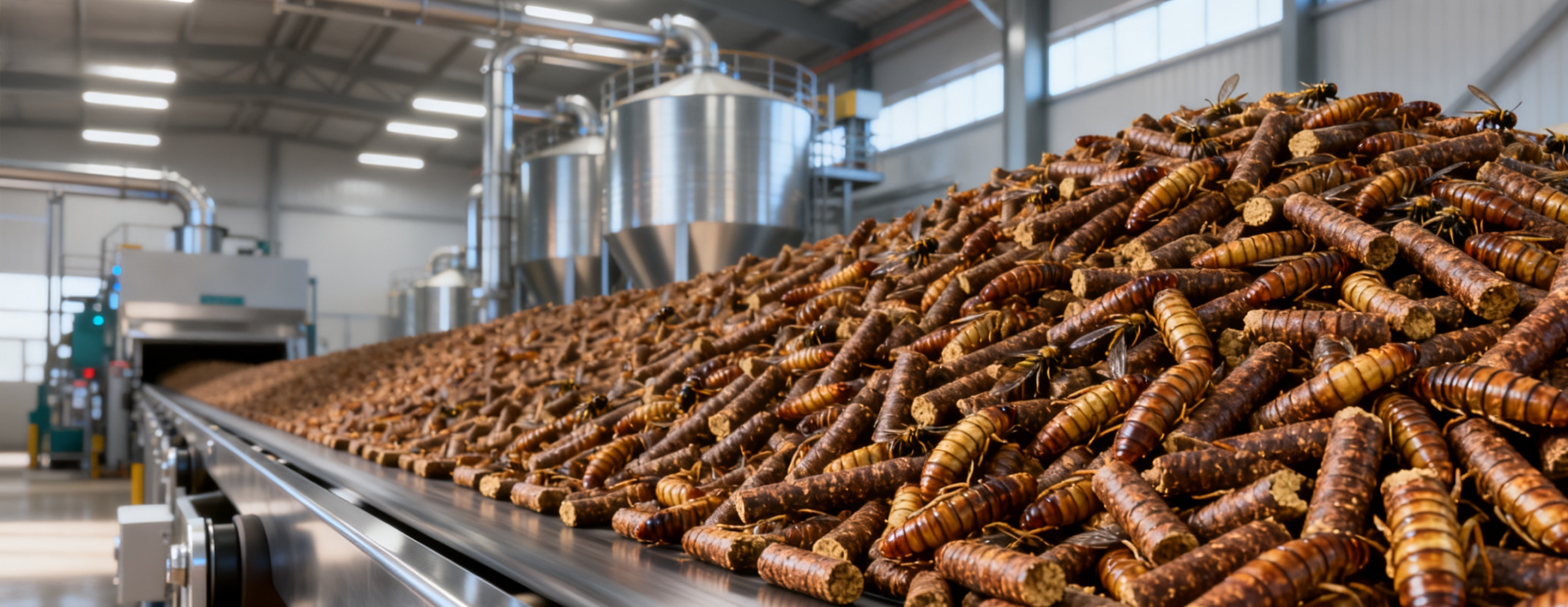

When it comes to dried maggots, most purchasing managers’ first reaction is resistance. But the data doesn’t lie: dried black soldier fly larvae easily exceed 40% protein content, have an excellent amino acid structure, and their conversion efficiency is several times that of traditional livestock feed. In the feed industry, dried maggots have become a serious protein raw material option, especially in aquatic feed, poultry feed, and pet food.
Types of Dried Maggots – Don’t Get Confused
“Maggot” is a general term. Commercially available “dried maggots” mainly refers to the following two types:
Dried Black Soldier Fly Larvae: Currently the most industrialized and globally traded insect protein raw material. Protein content is 40%–45%, with a high fat content (25%–35%). Defatting can increase the protein concentration to over 55%.
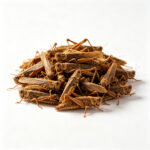
Dried Housefly Larvae: Protein content is 50%–60%, but farming is on a smaller scale, and the supply chain is not as mature as that of black soldier flies.
For bulk purchases, the species must be clearly specified in the contract. The prices and application scenarios of the two differ significantly, and confusing the varieties may cause production line formulation failures.
Key Quality Parameters
Protein and Fat: The high fat content of black soldier fly larvae is a double-edged sword. On the one hand, fat provides energy and is a high-quality component of aquatic feed; on the other hand, fat is easily oxidized, shortening shelf life. Suppliers should be required to provide fat oxidation indicators (acid value, peroxide value), and it should be inquired whether defatted products are available.
Moisture: Standard ≤8%. High fat content in dried maggots, combined with high moisture content, will accelerate rancidity.
Ash: Normal 5%–8%. High ash content usually indicates the presence of impurities in the aquaculture substrate. If the supplier uses kitchen waste for aquaculture, additional testing for heavy metals and contaminants is required.
Chitin Content: Chitin is a component of the insect exoskeleton; excessive content will reduce protein digestibility. The chitin content of black soldier fly larvae is typically 5%–8%. If the finished powder is too coarse, the chitin particles will affect feed palatability.
The breeding substrate determines the quality ceiling.
The breeding substrate for black soldier fly larvae is a core variable in quality control. Common breeding substrates include: grain processing by-products, food industry by-products, kitchen waste, and livestock manure.
Different substrates result in vastly different larval quality. Grain-based substrates produce the most stable larval quality and have the lowest food safety risk. Kitchen waste and manure substrates are low-cost but carry a high risk of contamination and exhibit significant quality fluctuations.
Directly ask suppliers: “What substrate do you use to breed your larvae?” If the answer is vague, or they admit to using mixed-source waste, it is recommended to request heavy metal and pesticide residue testing for each batch.
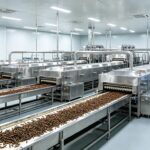
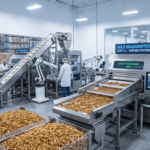
The dividing line of scale. The industrialization of black soldier fly farming is rapidly advancing. Several large-scale plants are already in operation globally, with capacities ranging from tens to hundreds of tons per month. When purchasing, prioritize suppliers that have achieved automated farming—the higher the degree of automation, the more stable the quality between batches, and the lower the risk of contamination from manual operation.
Price and supply chain. The market price of dried black soldier fly larvae has been stable with a slight downward trend in recent years, mainly driven by capacity expansion. Note when purchasing: While skim products are more expensive per unit than whole-fat products, the price per unit of protein may be more cost-effective.
Regarding the supply chain, there are large-scale production bases in China, Southeast Asia, Europe, and North America. When sourcing internationally, shipping and tariffs account for a significant portion of the total cost; sourcing locally may offer better overall costs.