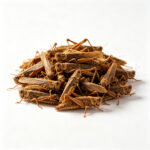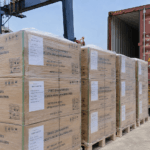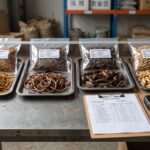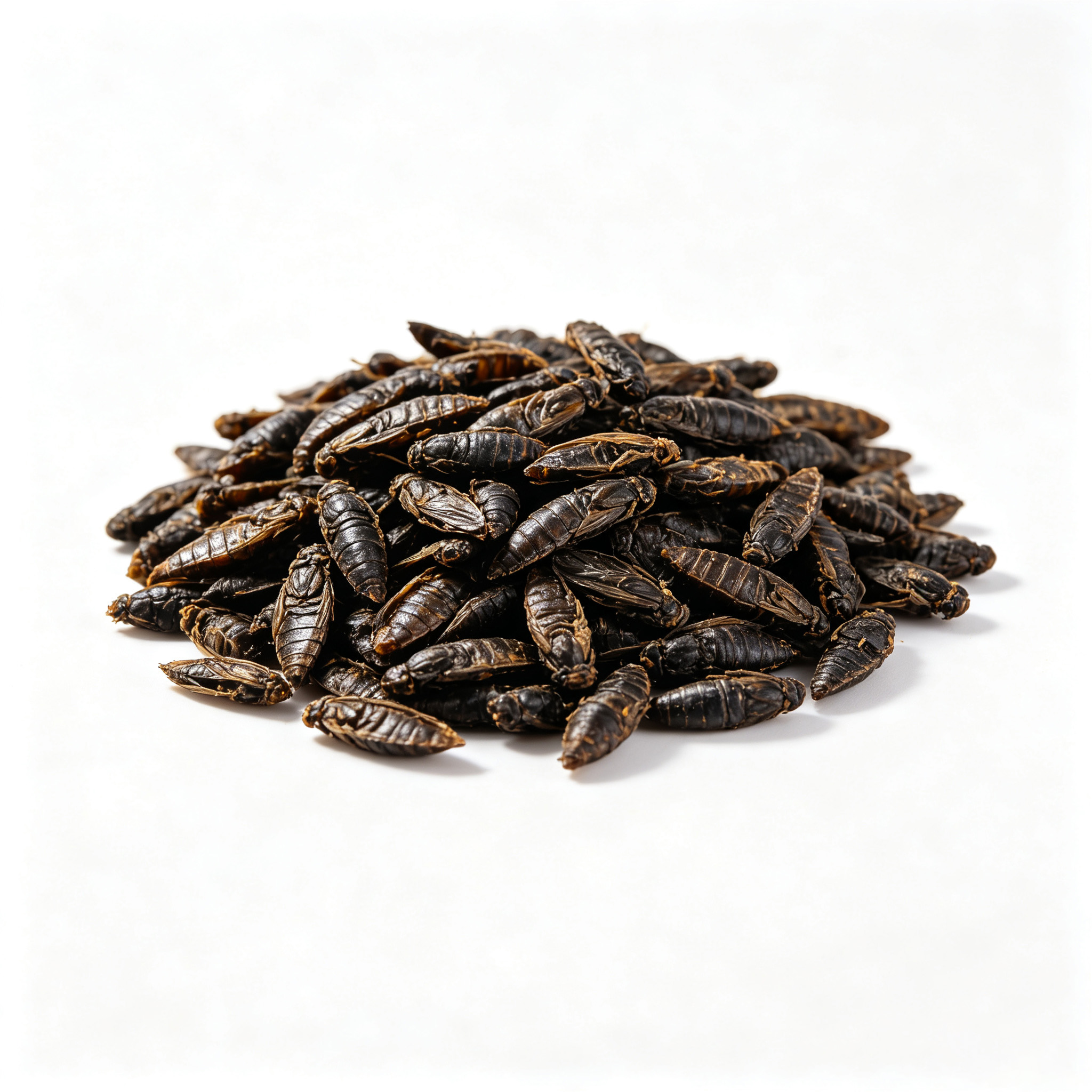

Navigating the immense complexities of international feed procurement requires partnering with a highly transparent Bulk Black Soldier Fly Larvae (BSFL) supplier. As the global agricultural sector pivots toward sustainable alternative proteins, Black Soldier Fly Larvae have emerged as a dominant ingredient for aquaculture, poultry, and premium pet food formulations. However, for European and North American B2B procurement managers negotiating massive Full Container Load (FCL) contracts, the physical distance between the source factory and the destination warehouse introduces severe operational risks. The single most critical document in bridging this trust gap and ensuring biological compliance is the Certificate of Analysis (COA). Unfortunately, a major pain point for large-scale buyers is receiving commercial batches that fail to physically match the metrics promised on the pre-shipment COA, leading to devastating customs rejections and compromised feed formulations. Understanding how to critically read and verify this document is essential for protecting your procurement budget.
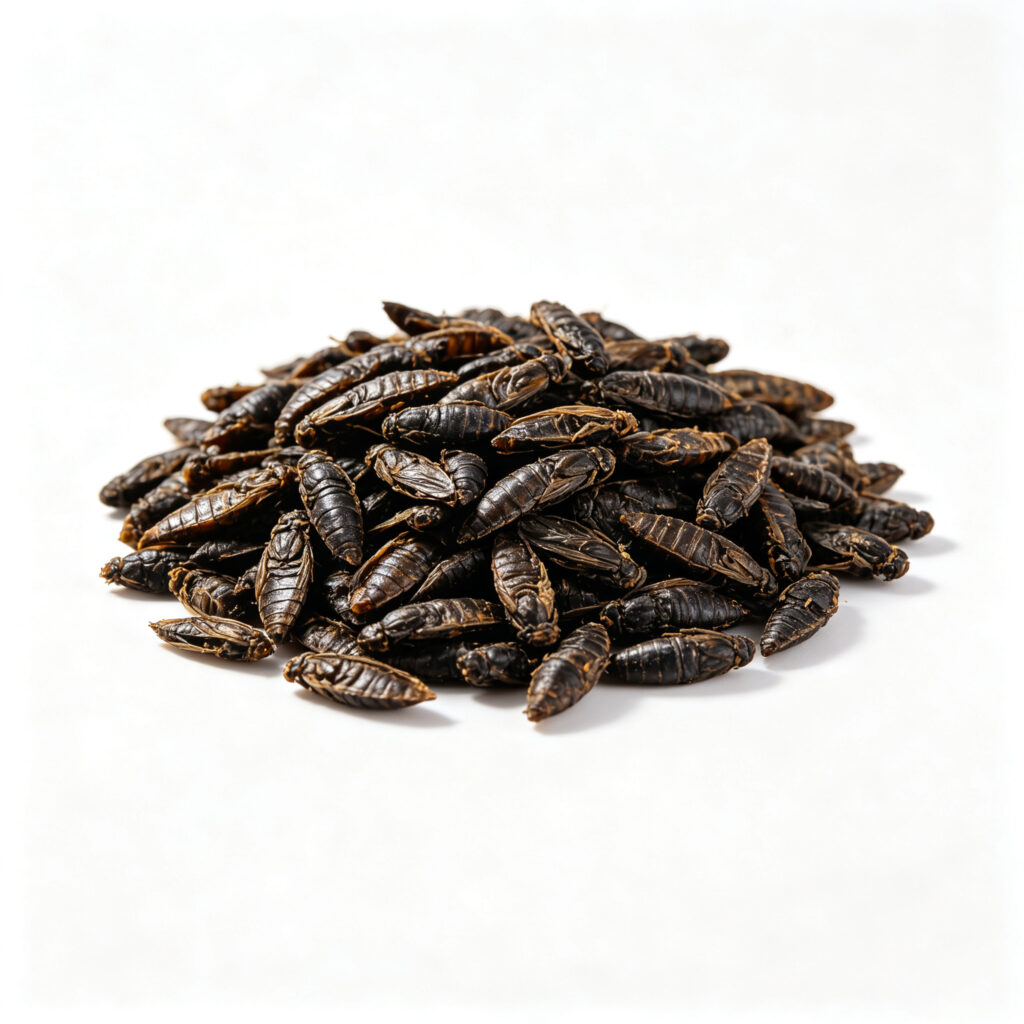
Decoding the COA from Your Bulk Black Soldier Fly Larvae (BSFL) supplier
The most devastating commercial risk in global bulk procurement is batch-to-batch nutritional inconsistency and hidden microbial contamination. When evaluating the COA provided by a potential Bulk Black Soldier Fly Larvae (BSFL) supplier, procurement directors must scrutinize three critical parameters: Crude Protein, Moisture Content, and Microbiological Limits. Black Soldier Fly Larvae naturally possess a high lipid and moisture profile. If the source factory utilizes cheap, outdated thermal roasting or open-air sun-drying, the resulting moisture distribution across a commercial batch will be incredibly uneven. A COA might claim a 10% moisture level, but hidden pockets of residual moisture deep within the larvae will inevitably trigger a logistical nightmare.
During a standard 30-to-40-day ocean transit under CIF or FOB shipping terms, extreme temperature fluctuations inside the shipping container cause severe condensation, widely known as “container rain.” This trapped moisture leads directly to the rapid proliferation of Salmonella, E. coli, and highly toxic aflatoxins. When customs authorities or health departments at the destination port sample the cargo and discover these pathogens, the shipment is immediately seized. The buyer is then burdened with astronomical port demurrage fees, total inventory loss, and severe disruptions to their manufacturing timelines.
To systematically eliminate these critical sanitary risks, industry-leading manufacturers have completely transitioned to advanced microwave dehydration technology. This state-of-the-art volumetric heating process evaporates internal moisture almost instantaneously, ensuring a highly uniform moisture content strictly below the critical 5% threshold. This exactitude acts as an industrial sterilization phase. Furthermore, advanced microwave processing explicitly prevents the Maillard reaction—a chemical reaction caused by prolonged hot-air baking that darkens the insect and destroys heat-sensitive amino acids. By preserving essential amino acids like lysine and methionine, microwave technology guarantees that the Crude Protein levels stated on the COA (often exceeding 50%) translate directly into high bioavailability, thereby maintaining an optimal Feed Conversion Ratio (FCR) in commercial livestock diets.
Beyond moisture and protein, international B2B buyers must heavily audit the heavy metal and ash content sections of the COA. BSFL are highly efficient bio-converters, meaning they can absorb heavy metals like cadmium, lead, and arsenic from their rearing substrate. If the factory does not maintain strict control over its feedstock, these toxins will concentrate in the larvae, immediately failing the rigid import regulations set by the European Union’s TRACES system and the US FDA.
Ultimately, the validity of a COA is only as strong as the institution issuing it. A technologically advanced and trustworthy Bulk Black Soldier Fly Larvae (BSFL) supplier will completely remove commercial friction by providing highly transparent, third-party verified documentation. B2B formulators must demand full SGS certification for their shipments. An SGS-backed COA provides absolute, undeniable proof that the physical cargo loaded onto the vessel perfectly matches the contractual nutritional and sanitary specifications. This rigorous, uncompromising approach to quality control allows international buyers to aggressively scale their operations, fully confident that their bulk ingredients will effortlessly clear customs and deliver premium nutritional performance on the farm.
Looking for a Reliable Supplier? BulkInsects utilizes advanced microwave dehydration technology to ensure premium quality. Fully SGS certified with COA provided per batch. Start your market test with our 1000kg MOQ. Contact us today for CIF pricing and free samples.