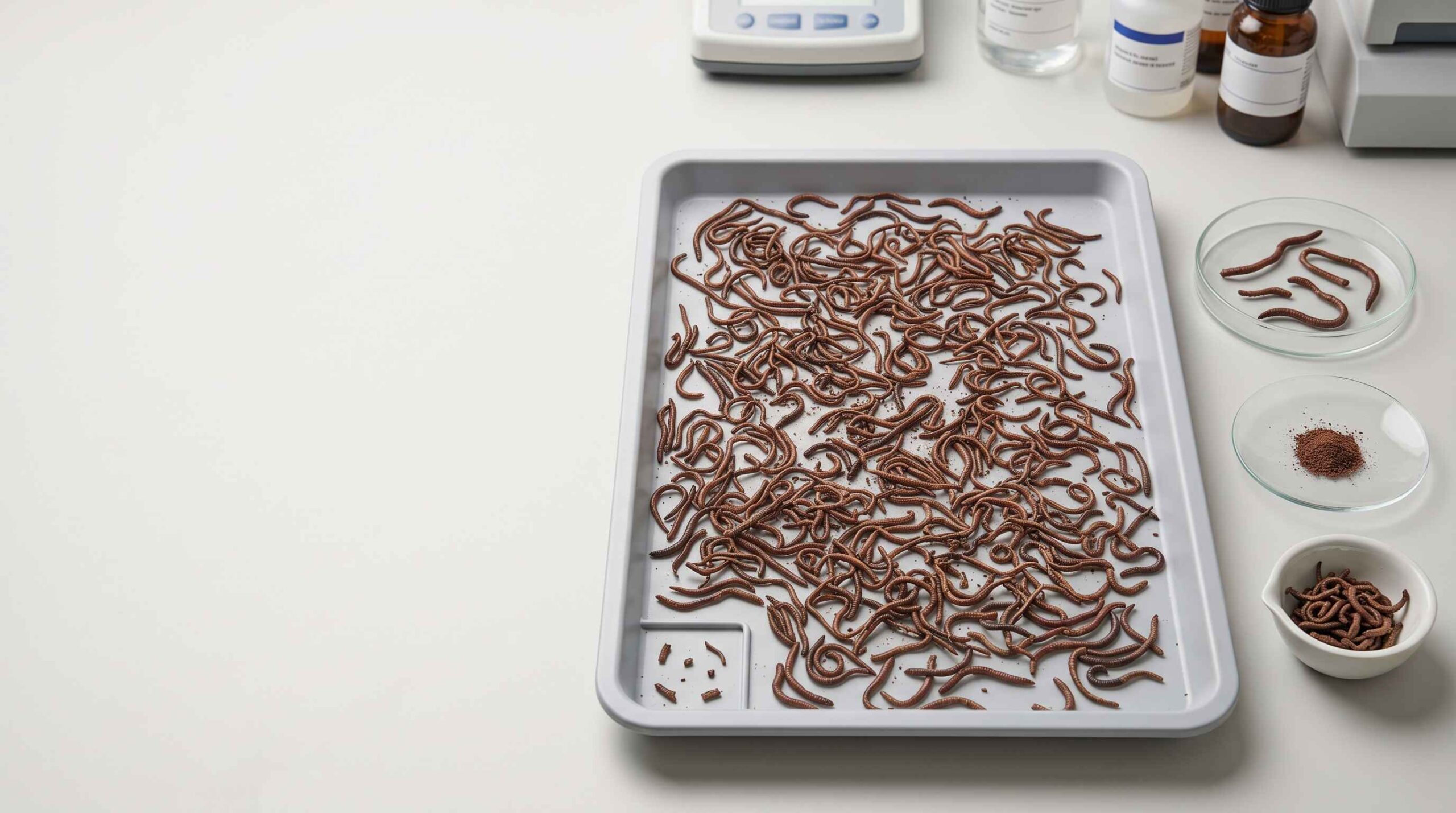

Useful dried earthworm specifications do more than list a few target numbers. They define what is being measured, how the sample is selected, which method and reporting basis apply, and how the buyer will decide whether a commercial batch is acceptable.
For whole dried earthworms, three checks deserve particular attention: ash, moisture and cleanliness. Earthworms naturally come into contact with soil and substrate, which makes cleaning and visible impurity control commercially important. Drying and packaging affect moisture, while total ash can be misunderstood when it is treated as a direct measurement of dirt.
This technical guide explains how B2B buyers can write clearer requirements, compare supplier documents and connect laboratory results with physical inspection. It does not establish one universal specification for every product or destination. Final limits should reflect the intended application, applicable market requirements and the characteristics of the batch being purchased.
Key Takeaways
- Ash, moisture and cleanliness measure different aspects of the product and should not be used interchangeably.
- Total ash includes naturally occurring inorganic material; it is not a direct dirt percentage.
- Moisture results require a defined method, unit, sample and reporting basis.
- Cleanliness needs physical acceptance criteria because one laboratory number cannot describe every visible impurity.
- A specification should connect the approved sample, test report, batch identity and arrival inspection.
1. What a Commercial Specification Should Contain
A specification is an agreement about the product and the basis for acceptance. A weak specification might state only “low moisture, low ash and clean product.” These phrases sound reassuring but cannot be applied consistently by a buyer, supplier or laboratory.
A workable specification should identify:
- product name and commercial form;
- species or source identification where available;
- intended application and destination;
- whole-product, fragment and fines requirements;
- parameter name and acceptance limit;
- test method or recognised method reference;
- unit and reporting basis;
- sampling responsibility and batch identity;
- packaging and labelling requirements;
- action when a result falls outside the agreed limit.
The specification should also distinguish objective requirements from visual preferences. Moisture can be stated as a measured limit under an agreed method. Colour may instead require an approved reference range. Cleanliness may combine a visual inspection protocol with limits for foreign matter or other relevant tests.
For the broader procurement context, review bulk dried earthworms before finalising the technical sheet.
2. Why Ash, Moisture and Cleanliness Must Be Separated
These three checks are related to product evaluation, but each answers a different question:
| Check | What it indicates | What it does not prove |
|---|---|---|
| Ash | Inorganic residue remaining under a defined analytical method | Exact dirt or soil content |
| Moisture | Water measured under a defined test method | Water activity, microbiological safety or shelf life by itself |
| Cleanliness | Visible product condition and control of unwanted material | Full chemical or microbiological compliance |
A clean-looking sample can still have a laboratory result outside the agreed ash or moisture limit. A batch with acceptable moisture can still contain visible foreign matter. A higher ash result may reflect natural minerals, residual substrate, sampling or reporting basis and therefore needs interpretation rather than an automatic conclusion.
Good dried earthworm specifications keep these checks separate and then review them together during batch approval.
3. Ash: What the Result Actually Represents
Ash is the residue remaining after organic matter is removed under a specified laboratory procedure. It is commonly included in proximate analysis alongside moisture, protein, fat and fibre. The result represents total inorganic material in the tested sample.
For dried earthworms, ash may be influenced by:
- naturally occurring mineral content;
- residual soil or substrate;
- cleaning and separation effectiveness;
- the proportion of whole product and loose residue in the sample;
- sample preparation and homogenisation;
- analytical method and reporting basis.
This is why the statement “ash equals dirt” is technically incorrect. Soil contamination can contribute to ash, but total ash also includes minerals naturally present in the product. If the purpose is to investigate sand, grit or soil-like contamination, the buyer may need a more specific method or additional inspection rather than relying only on total ash.
4. How to Specify and Compare Ash Results
An ash requirement should state more than a maximum percentage. Buyers should confirm:
- Method: Which recognised laboratory method is used?
- Basis: Is the result reported as received or on a dry-matter basis?
- Unit: Is it expressed as a percentage or another unit?
- Sample: Which batch and sample does the result represent?
- Preparation: Was the whole representative sample ground and homogenised?
- Limit: What agreed value determines acceptance?
The reporting basis can materially change the number. A dry-matter result removes the effect of sample moisture, while an as-received result reflects the tested product in its current condition. Two values should not be compared unless their bases are understood.
Sample preparation also matters. Testing only visibly clean, intact pieces can underrepresent residue elsewhere in the package. Conversely, taking material only from the bottom may overrepresent loose particles. The sample should reflect the batch according to an agreed procedure.
Do not copy a generic ash limit from an unrelated species, powder product or market. Establish the requirement from the intended application, relevant rules, product history and achievable commercial grade.
5. Moisture: A Measured Result, Not a Visual Impression
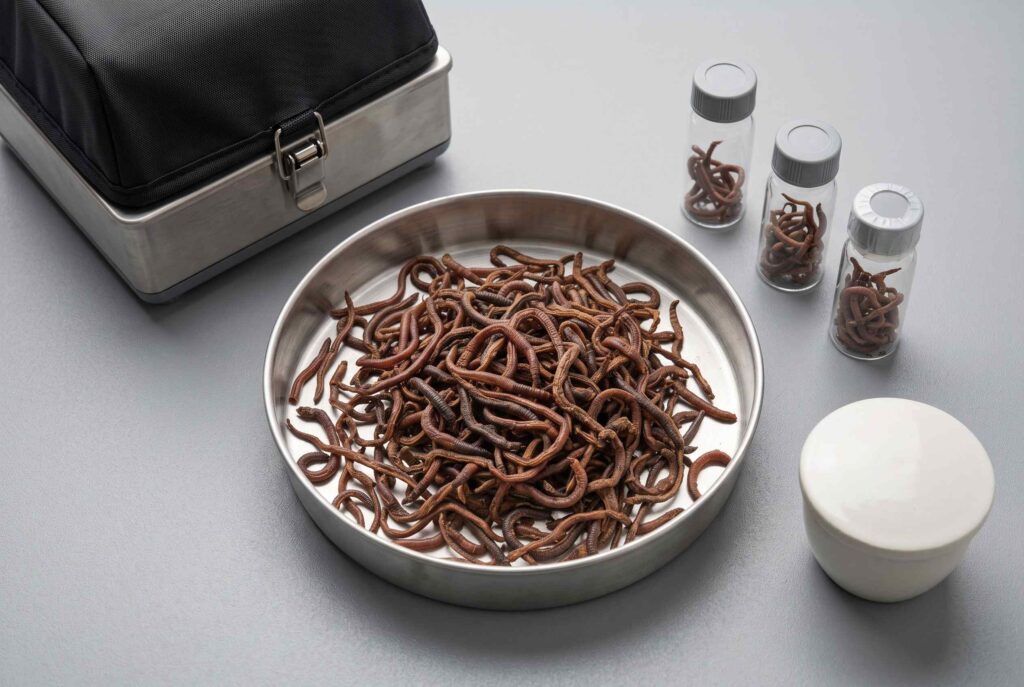
Moisture is often treated as the easiest line in a specification, but results can differ when laboratories use different preparation, drying conditions or calculation bases. A product that feels crisp can still have a different measured moisture content from another batch.
A moisture specification should include:
- parameter name;
- maximum or agreed range;
- test method;
- reporting unit;
- sample preparation;
- batch or lot reference;
- timing of sampling relative to packing and shipment.
Long, curled dried earthworms can vary in thickness and physical condition, making representative sampling important. A small group selected from the top of one package may not describe the whole batch.
Buyers should also distinguish moisture content from water activity. Moisture content measures the amount of water removed or detected under a defined method. Water activity describes the availability of water in relation to reactions and microbial growth. They are related, but one cannot be substituted directly for the other.
Our technical guide to dried insect moisture explains this distinction and the effects of packaging and storage in more detail.
6. Moisture Can Change After Testing
A compliant test result does not freeze the product’s condition permanently. Dried material can gain or lose moisture after testing depending on cooling, ambient conditions, package barrier, sealing, storage and transport.
Review the complete chain:
- Was the product cooled before packing?
- How soon after production was the laboratory sample taken?
- Did the tested sample use the same packaging as the shipment?
- Was the package sealed securely?
- Could humid air enter during repacking or inspection?
- Were cartons protected from rain, wet pallets and container condensation?
- How will the buyer store opened units?
If moisture is a critical acceptance parameter, define whether testing occurs before shipment, at loading or on arrival. Results from different stages may not be directly interchangeable.
Do not promise a universal shelf life from moisture alone. Product stability also depends on water activity, microbiology, fat oxidation, packaging, storage and the buyer’s application.
7. Cleanliness: Turn a Vague Word Into Criteria
“Clean” can mean different things to different buyers. One may focus on visible soil; another may be concerned about stones, fibres, packaging debris, excessive residue or unrelated biological material. A usable specification defines the unwanted material and how it will be checked.
Physical cleanliness criteria may include:
- no visible stones or hard mineral particles;
- no obvious plant fibres or unrelated substrate material;
- no packaging fragments;
- no live insects or evidence of post-process infestation;
- controlled loose residue and fines;
- no abnormal clumps or visibly contaminated areas;
- product appearance consistent with the approved sample.
Avoid absolute language such as “zero foreign matter” unless the measurement method and detection limit are defined. For agricultural products, a more practical approach is to identify critical defects that cause rejection and set measurable tolerances for minor material where appropriate.
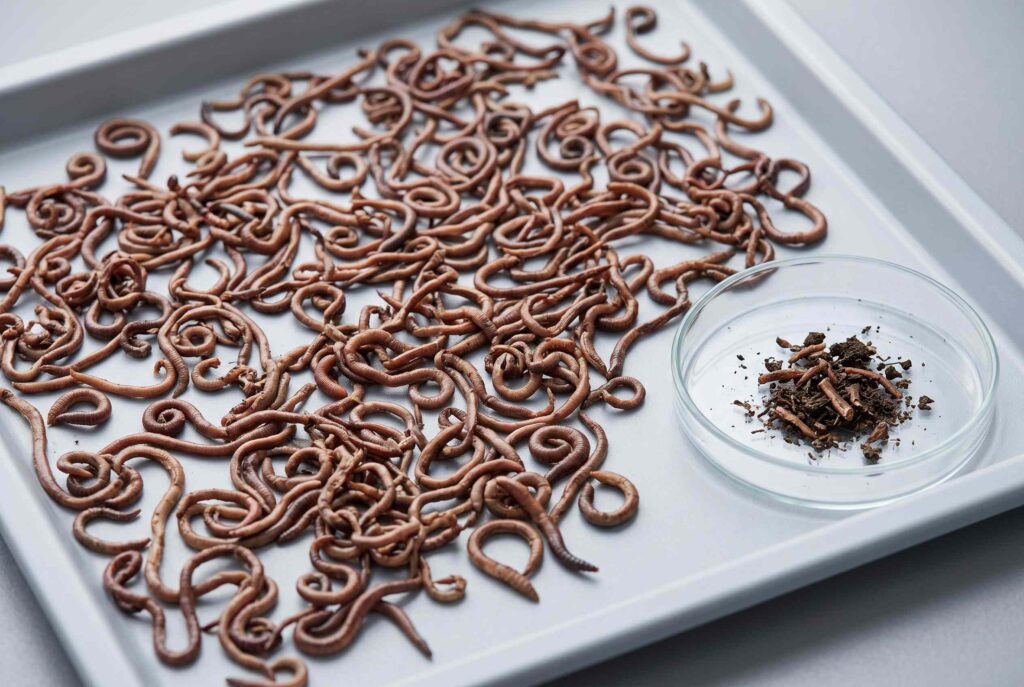
Cleanliness inspection should use a known sample weight spread over a contrasting surface under consistent lighting. Inspect both the product and loose material collected at the bottom of the package.
8. Soil Removal and Cleanliness Are Not the Same as Sterility
Cleaning, drying and microbiological control are separate parts of product quality. Removing soil and visible residue does not establish that the product meets microbiological requirements. Likewise, a satisfactory microbiological report does not excuse stones, fibres or poor physical presentation.
The specification should therefore separate:
- visual cleanliness and foreign-matter requirements;
- moisture and compositional parameters;
- microbiological test requirements;
- chemical or destination-specific parameters;
- packaging integrity and post-process handling.
Testing scope depends on application and destination. A buyer should not copy a standard panel without confirming whether it is appropriate for the market and supply chain.
9. Sampling Determines Whether the Numbers Mean Anything
A precise laboratory result can still be commercially misleading if the sample is not representative. Earthworm batches may contain natural variation in size, colour, fragments and loose residue. Packages at different pallet positions may also experience different handling or moisture exposure.
A sampling plan should address:
- number of packages selected;
- selection across the lot or pallet;
- amount taken from each package;
- top, middle and bottom representation where practical;
- combination and homogenisation of increments;
- sample container and sealing;
- sample identification and chain of custody;
- retention sample arrangements.
The exact plan should reflect lot size, test purpose and applicable standard. The same approach should be used when comparing repeat batches. Changing the sampling procedure can create apparent differences that come from the sample rather than the product.
10. Read the COA With the Specification Beside It
A Certificate of Analysis should be checked against the agreed technical sheet, not read in isolation. For ash and moisture, confirm:
- product and batch match;
- parameter names match the specification;
- results use the expected units;
- reporting basis is clear;
- methods are provided or traceable;
- specification limits are stated correctly;
- test date and report identity are present;
- pass/fail statements agree with the numerical results.
Cleanliness may not appear as a conventional laboratory line. It may instead require an inspection record, sample approval, supplier declaration or defined foreign-matter check. The purchase documents should state how this requirement is verified.
See how to read a COA for dried insects for a structured document-review process.
11. Use Recognised Methods and Keep the Basis Consistent
Method references help laboratories and trading partners understand how a result was generated. The FAO’s review of feed-analysis methods explains that routine proximate analysis includes water or moisture and ash among its main determinations. Buyers can use the FAO Review of Methods of Analysis as technical background when discussing analytical terminology.
This external reference does not create a universal earthworm specification. The contract or purchase order must still identify the method, limit and basis accepted by both parties.
When changing laboratories, check whether the new method is equivalent before comparing trends. Small differences in preparation, temperature, time or calculation can influence results. A specification is strongest when it maintains the same understood basis across samples and batches.
12. Build an Acceptance Table Buyers Can Use
A practical technical sheet can use the following structure:
| Item | Requirement field | Verification | Important note |
|---|---|---|---|
| Product identity | Whole dried earthworms; source/species where available | Label, specification and visual check | Avoid the broad term “dried worms” |
| Commercial form | Whole-product and fragment requirements | Representative sample inspection | Define the categories and sample weight |
| Total ash | Agreed limit, method, unit and basis | Batch-specific laboratory result | Total ash is not a direct dirt percentage |
| Moisture | Agreed limit, method and unit | Batch-specific laboratory result | Do not infer from crispness alone |
| Cleanliness | Defined critical defects and tolerances | Inspection under controlled conditions | Include loose material from the pack |
| Foreign matter | Listed prohibited material or agreed maximum | Sorting or inspection method | State detection and sampling approach |
| Microbiology | Parameters based on application and market | Batch-specific report | Separate from visual cleanliness |
| Packaging | Liner, seal, unit weight and label | Pre-shipment and arrival check | Protects condition after testing |
Do not publish illustrative limits as though they are guaranteed supply values. Insert figures only after confirming what can be supported for the offered grade and destination.
13. Pre-Shipment and Arrival Checks
Pre-shipment review should confirm that the specification, sample and batch documents refer to the same commercial lot. Check package condition and labels before loading, not only the laboratory report.
At arrival, inspect:
- lot numbers against documents;
- seals and liners;
- wet, punctured or compressed packaging;
- condensation or clumping;
- abnormal odour;
- visible foreign matter;
- whole-product condition and fines;
- differences between packages.
If a deviation is found, isolate the affected material, preserve evidence and avoid mixing it with accepted stock. Record photographs, package numbers, sample details and storage conditions. Retesting should follow an agreed procedure; repeatedly testing new samples until one passes creates an unreliable acceptance process.
14. Common Specification Mistakes
Treating ash as dirt
Total ash includes natural mineral content. Use it alongside cleaning information, representative sampling and physical inspection.
Writing “low moisture” without a method
The requirement needs a limit, unit, method and identified batch sample.
Using “clean” as the entire foreign-matter clause
List critical defects, tolerances and the inspection approach.
Comparing as-received and dry-matter values
Results on different bases cannot be compared directly without conversion and context.
Approving a hand-selected sample
Confirm whether the sample represents the quoted batch and commercial grade.
Assuming one result covers every shipment
Agricultural products and processing conditions vary. Apply the agreed batch-verification process to repeat orders.
Frequently Asked Questions
What should dried earthworm specifications include?
They should identify the product, commercial form, ash and moisture requirements, cleanliness and foreign-matter criteria, test methods, units, reporting basis, sampling, batch identity, packaging and the acceptance process.
Does total ash show how much dirt is in dried earthworms?
No. Total ash measures inorganic residue under a defined method and includes naturally occurring minerals. Residual soil can contribute, but total ash is not a direct dirt percentage.
Is moisture content the same as water activity?
No. Moisture content measures the amount of water under a defined test method. Water activity concerns how available water is for reactions and microbial growth. They are related but not interchangeable.
How should cleanliness be measured?
Use a defined sample weight, contrasting inspection surface, consistent lighting and clear categories for prohibited or tolerated material. Inspect whole product and loose residue, and record the findings.
Can one universal specification apply to every dried earthworm order?
No. Limits and test scope depend on source, application, destination, packaging and buyer requirements. The supplier and buyer should agree on the applicable specification before shipment.
Final Technical Review
Effective dried earthworm specifications convert general quality expectations into requirements that can be tested and inspected. Ash, moisture and cleanliness should remain separate lines because they describe different characteristics and require different verification methods.
The strongest approach combines a representative sample, written acceptance table, batch-linked laboratory results, physical cleanliness inspection and packaging checks. It also defines the reporting basis and action for non-conforming results before the order is shipped.
To discuss available grades or request batch information, contact BulkInsects with your quantity, destination, application, packaging and proposed specification. Final parameters should be confirmed against the available batch and applicable import requirements.