
Finding a reliable mealworm supplier is far more difficult than negotiating a good price. The margin for error in bulk purchasing is extremely low; a single batch of substandard raw materials can lead to the shutdown of an entire production line and even claims from end customers. This guide lists seven warning signs to help you eliminate high-risk options during the screening stage.
Signal 1: Inability to Provide Third-Party Testing Reports
This is the most basic hurdle. If a supplier can only provide “factory testing” but cannot provide third-party reports from SGS, Eurofins, or equivalent institutions, skip them immediately. Third-party reports should at least cover five items: protein content, moisture, ash, Salmonella, and E. coli. Be wary of suppliers who try to fob you off with reports from a year ago; demand updates for each batch or at least quarterly.
Signal 2: Price Far Below Market Average
The global market price for dried mealworms is relatively transparent. If someone quotes a price more than 20% lower than the mainstream price, the problem usually lies in: excessive moisture, adulteration with bran or other fillers, insufficient cleaning of the mealworms, use of expired or substandard inventory. The ultimate cost of cheap goods will be reflected in production line failures and customer complaints. Signal 3: Vague Answers Regarding Production Capacity
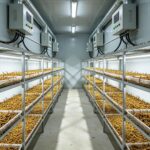
Ask directly: “What is your monthly production capacity? What is your current operating rate?” Reliable factories will provide specific figures and may even be willing to show real-time images of their breeding facilities and inventory. If they say “We have as much as you need” without providing supporting data, they are likely a trading company reselling.
Signal 4: Inconsistent Samples and Actual Goods
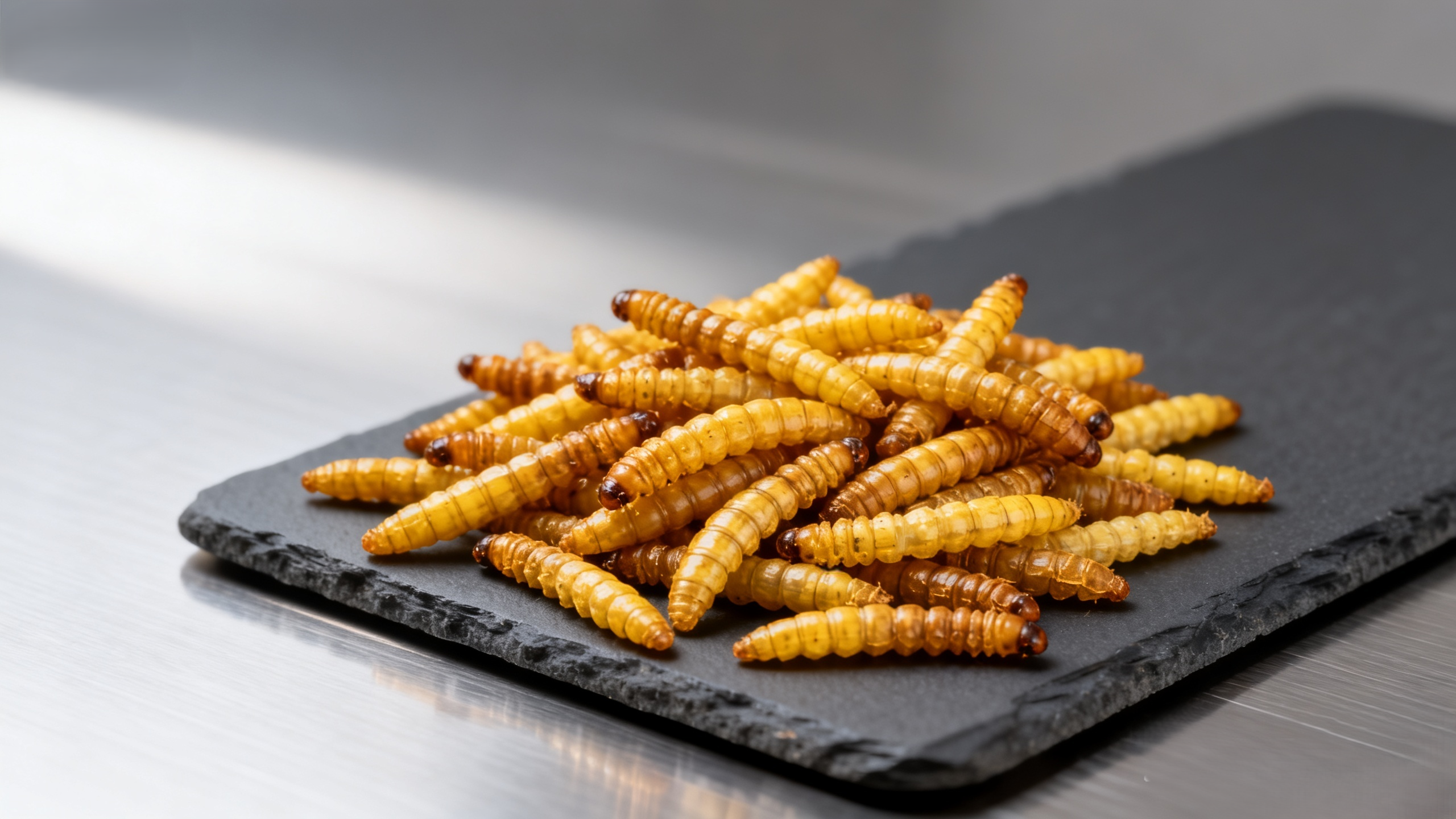
This is the most common pitfall in the industry. The sample is golden, plump, and the grains are intact, but the container delivery contains many fragments, is dark in color, and has an off-odor. Solution: Don’t just ask for samples; request that the supplier randomly select samples from the same batch you ordered. Specify in the contract that “the bulk inspection shall prevail, and the sample is for reference only.”
Signal 5: Avoiding Factory Inspection Requests During Communication
Any supplier who refuses or delays a factory inspection has something they don’t want you to see. A video inspection is the minimum requirement; if they refuse even this, no matter how many reasons they give, they are just excuses. During the inspection, pay attention to their reaction: Did they notify you in advance and take you on a “tour route”? Can you randomly select a workshop to enter?
Signal Six: Vague Contract Terms
Pay attention to three key clauses: quantifiable quality standards, handling of non-conforming products (return or exchange, who bears the shipping costs), and penalties for delayed delivery. A contract that only states “meets export standards” without any specific figures is essentially unenforceable.
Signal Seven: Discrepancies Between Company Registration Information and Actual Operation
Spend 10 minutes conducting a background check: check the company’s registration date, registered capital, and business scope. Be suspicious of a company registered for only 3 months with a registered capital of 100,000 RMB claiming to supply 100 tons of mealworms per month. A factory location shown on Google Maps as just an empty plot of land or small houses also raises suspicion.
Create Your Own Supplier Rating Card
Convert the above 7 signals into a simple rating table and score each supplier item by item. Suppliers exhibiting two or more of these signals twice consecutively, regardless of their attractive prices, should be removed from your shortlist.
The time spent screening suppliers will ultimately pay off with stable production line operations.