
As the global commercial poultry sector faces unprecedented volatility in traditional feed markets, sourcing high-performance alternative proteins is a top priority for international B2B procurement managers. For large-scale broiler and layer operations, securing a premium supply of Wholesale Dried Mealworms is rapidly shifting from a niche sustainability initiative to a core nutritional and commercial strategy. When European and North American feed formulators negotiate massive Full Container Load (FCL) contracts, they demand ingredients that deliver absolute nutritional consistency and uncompromising biological safety. Poultry naturally forage for insects in the wild, making their digestive systems biologically predisposed to metabolize insect biomass with incredible efficiency. However, successfully integrating these premium ingredients into industrial feed production requires a deep understanding of protein bioavailability, essential amino acid profiles, and the advanced dehydration technologies required to survive global ocean freight without degrading.
Nutritional Superiority of Wholesale Dried Mealworms
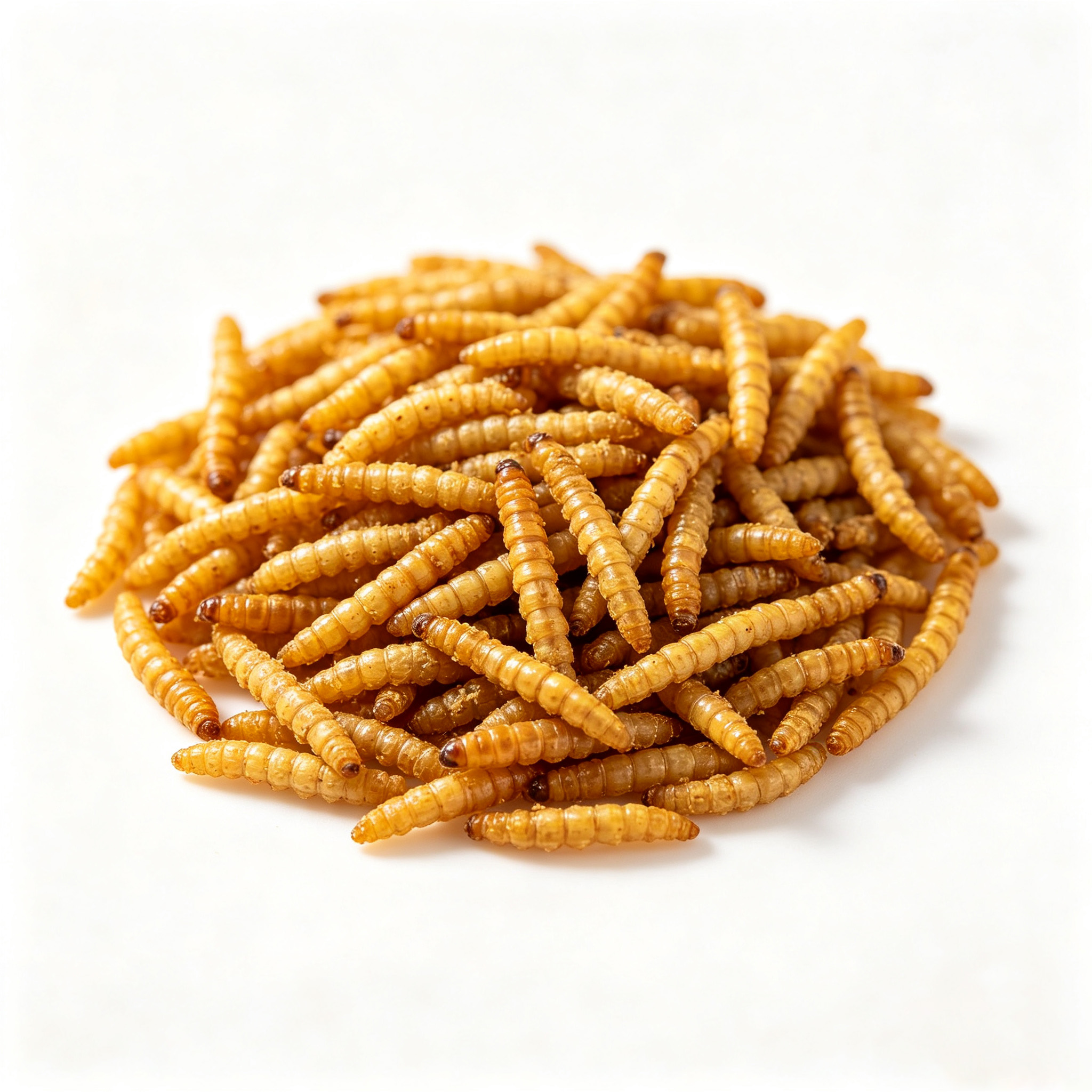
The primary commercial driver for substituting traditional soybean meal or fishmeal with insect protein is the aggressive optimization of feed efficiency. Integrating premium Wholesale Dried Mealworms into commercial poultry diets significantly enhances the overall amino acid profile of the final extruded feed. Mealworms are exceptionally rich in critical essential amino acids, particularly lysine and methionine. These specific amino acids are notorious limiting factors in poultry nutrition; a deficiency directly results in stunted broiler growth, poor feathering, and heavily reduced egg production in layer hens. By supplementing diets with high-grade insect protein, formulators can confidently reduce their reliance on expensive, synthetic amino acid additives, thereby lowering overall formulation costs.
However, the true biological value of these amino acids is entirely dependent on the factory’s manufacturing process. When evaluating a potential overseas supplier of Wholesale Dried Mealworms, purchasing directors must heavily scrutinize the dehydration methodology. Traditional processing methods, such as cheap thermal oven-roasting or open-air sun-drying, rely on applying extreme external heat over an extended, multi-hour period. This prolonged thermal exposure inevitably triggers a severe Maillard reaction within the insect’s organic cellular structure. This complex chemical reaction binds the amino acids to reducing sugars, drastically reducing the bioavailability of the Crude Protein. If a buyer unknowingly sources heat-damaged ingredients, the denatured proteins will directly lead to a highly inferior Feed Conversion Ratio (FCR) on the farm, completely destroying the financial viability of the alternative protein strategy.
Mitigating Logistics Risks with Microwave Wholesale Dried Mealworms
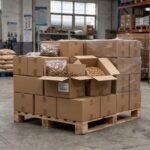
Beyond nutritional degradation, outdated thermal drying introduces catastrophic logistical and sanitary risks for international bulk buyers. Traditional drying frequently leaves hidden pockets of residual moisture deep within the mealworms, creating a highly uneven moisture distribution across a single commercial batch. When a low-tier factory packs these inconsistently dried insects into bulk woven bags, the buyer’s procurement budget is immediately at risk. During a standard 30-to-40-day ocean transit under standard FOB or CIF shipping terms, the extreme temperature fluctuations experienced across different global climate zones cause severe internal condensation.
This deadly phenomenon, widely known in the global logistics sector as “container rain,” directly activates the hidden moisture trapped within the Wholesale Dried Mealworms. This excess internal water creates a perfect biological breeding ground for the rapid proliferation of Salmonella, E. coli, and highly toxic aflatoxins. Unlike highly processed marine proteins, inadequately dried insect biomass will rapidly rot from the inside out during global transit. When customs authorities or health departments at the destination port sample the cargo and detect these dangerous pathogens, the shipment is immediately seized and destroyed. This catastrophic event incurs astronomical port demurrage fees, halts factory production lines, and results in a total, unrecoverable loss of the buyer’s Return on Investment (ROI).
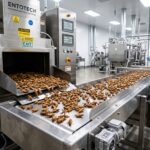
To systematically eliminate these critical sanitary risks and preserve maximum nutritional density, industry-leading manufacturers of Wholesale Dried Mealworms have completely transitioned to advanced microwave dehydration technology. This state-of-the-art industrial processing utilizes highly precise volumetric electromagnetic waves to generate heat directly from the water molecules within the insect itself. This advanced volumetric heating causes rapid, highly uniform moisture evaporation from the inside out. By cutting the total drying time down to a mere fraction of conventional thermal methods, microwave technology perfectly preserves the pristine nutritional profile of the product.
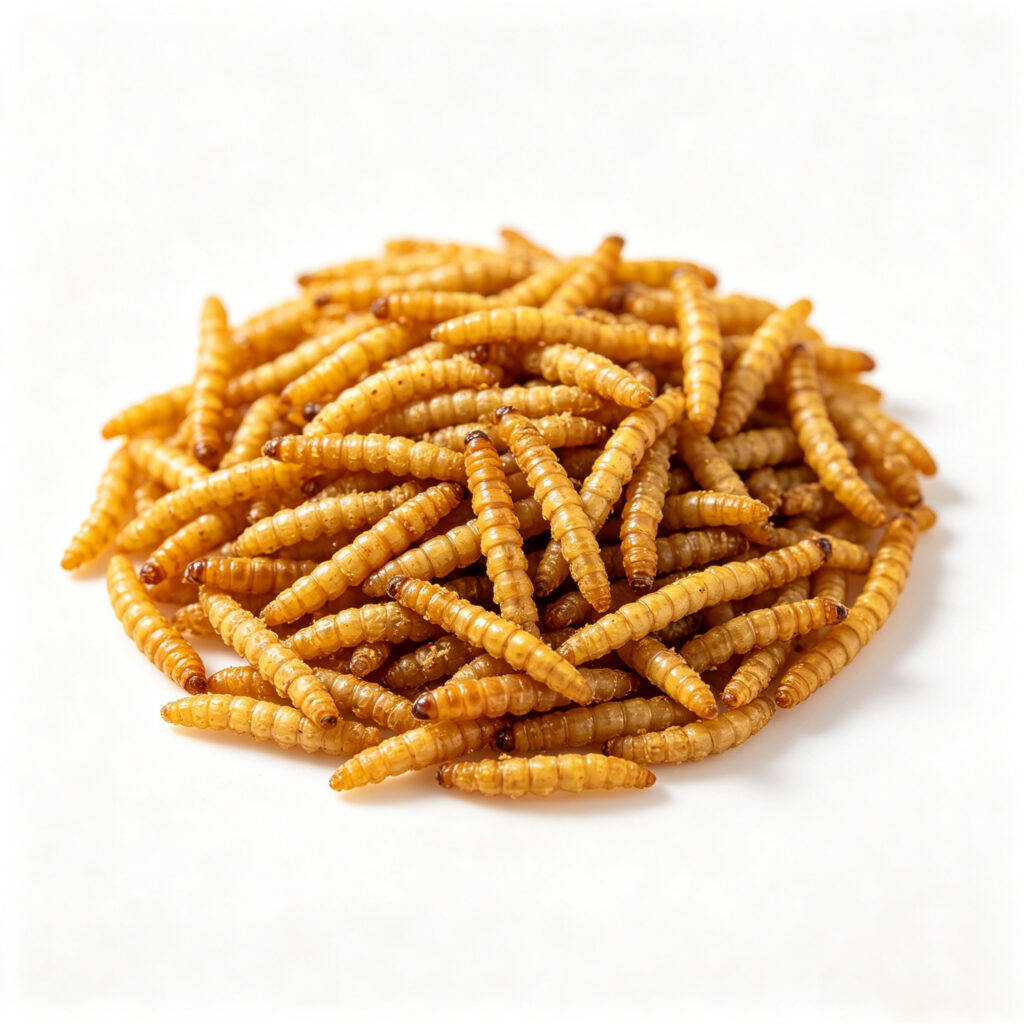
For B2B procurement managers, sourcing Wholesale Dried Mealworms dried via microwave technology provides absolute commercial peace of mind. The rapid process explicitly prevents the Maillard reaction, ensuring that the Crude Protein levels remain highly digestible and bioavailable for poultry. Furthermore, the technology strictly guarantees a highly uniform moisture content below the critical 5% threshold. This sub-5% exactitude acts as a powerful industrial sterilization phase, completely protecting the delicate lipid profiles from early oxidation and explicitly preventing rancidity. This ensures the cargo easily survives complex international shipping routes and boasts a highly stable shelf life of up to 18 months.
Ultimately, successfully executing a strategic procurement plan requires partnering with a transparent, technologically advanced manufacturing facility. Buyers must demand rigorous third-party certifications and a verifiable Certificate of Analysis (COA) for every single batch prior to loading onto the vessel. An SGS-backed COA provides undeniable proof that the physical cargo exactly matches the contractual moisture and nutritional specifications, allowing feed formulators to aggressively scale their operations with total confidence.
Looking for a Reliable Supplier? BulkInsects utilizes advanced microwave dehydration technology to ensure premium quality. Fully SGS certified with COA provided per batch. Start your market test with our 1000kg MOQ. Contact us today for CIF pricing and free samples.