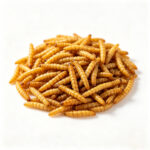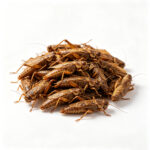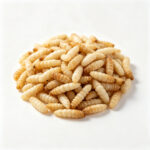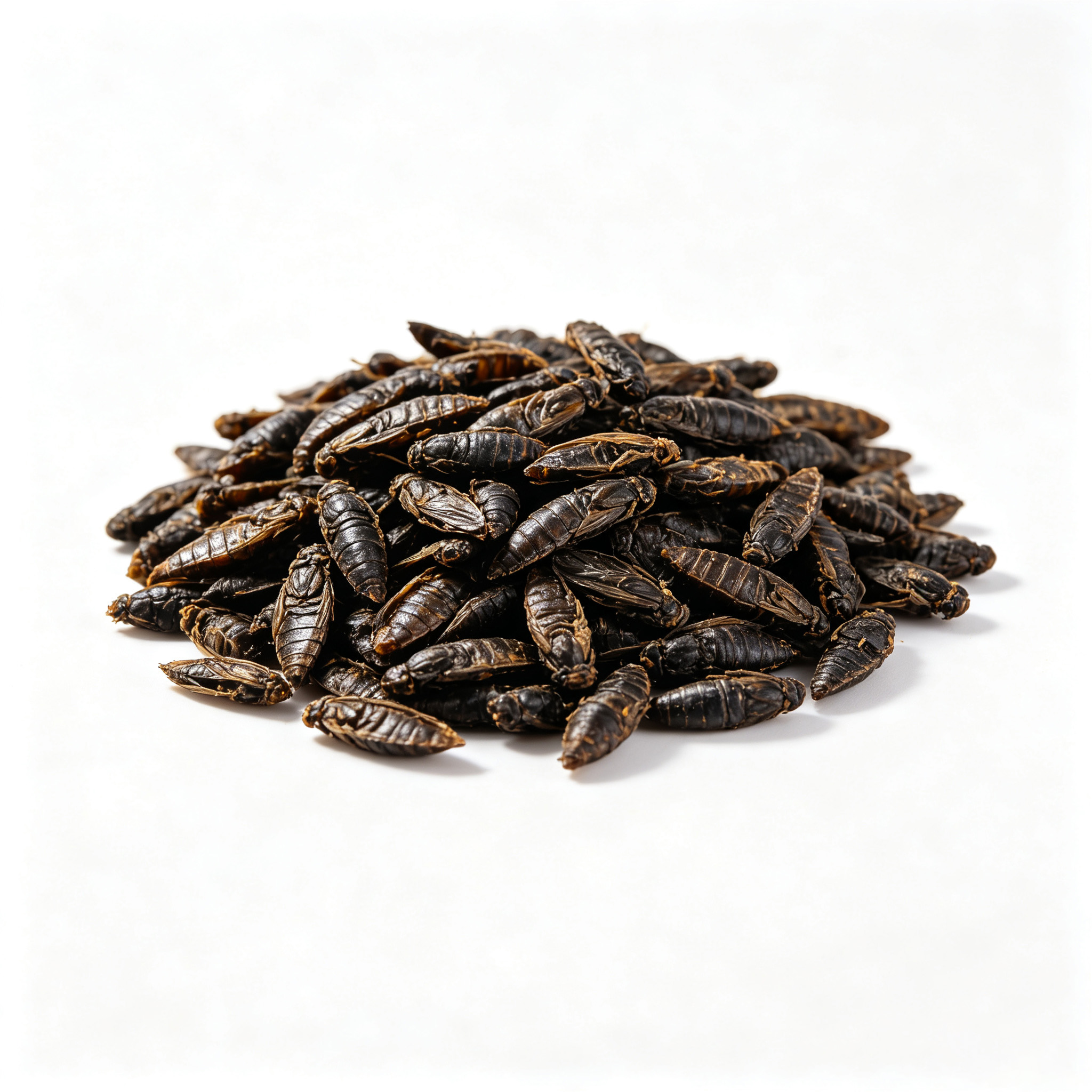

Partnering with a fully compliant Bulk Black Soldier Fly Larvae (BSFL) supplier is the foundational prerequisite for international B2B feed manufacturers aiming to secure high-density alternative protein without falling victim to catastrophic customs seizures. As the commercial feed industry actively reduces its dependency on volatile marine resources, Black Soldier Fly Larvae have established themselves as an indispensable, high-efficiency ingredient for commercial aquaculture, poultry, and specialized pet food formulations. However, for procurement directors handling high-volume Full Container Load (FCL) shipments destined for European and North American ports, cross-border agricultural logistics present immense regulatory hurdles. Sourcing insect biomass across continents involves navigating the intricate sanitary protocols enforced by border control authorities. Understanding the biological, chemical, and procedural requirements of customs clearance is crucial for protecting multi-million dollar procurement budgets and maintaining uninterrupted feed manufacturing schedules.
Customs Compliance with a Bulk Black Soldier Fly Larvae (BSFL) supplier
The primary commercial vulnerability in global insect protein procurement is cargo rejection at the port of entry. In the United States, the Food and Drug Administration (FDA) enforces strict preventive controls under the Food Safety Modernization Act (FSMA), while the USDA Animal and Plant Health Inspection Service (APHIS) mandates rigorous veterinary sanitary documentation. In parallel, the European Union regulates animal by-products through the Trade Control and Expert System (TRACES), requiring the source factory to maintain formal registration and export approval from local customs authorities. When auditing a potential Bulk Black Soldier Fly Larvae (BSFL) supplier, procurement managers must recognize that missing paperwork, mismatched tariff classifications, or unverified sanitary declarations will immediately result in impounded containers, accumulating crippling port demurrage fees while production lines sit idle.
Beyond bureaucratic documentation, the most frequent root cause of customs rejections is biological instability stemming from outdated dehydration methodologies. Black Soldier Fly Larvae possess an inherently high lipid and moisture profile. Traditional processing methods, such as cheap thermal roasting or open-air sun-drying, fail to uniformly extract water from the larvae, typically leaving a residual moisture content between 10% and 15%. During a standard 30-to-45-day ocean transit under FOB or CIF shipping terms, the cargo traverses multiple climate zones. The severe temperature swings inside a sealed maritime container inevitably trigger condensation, widely known as “container rain.”
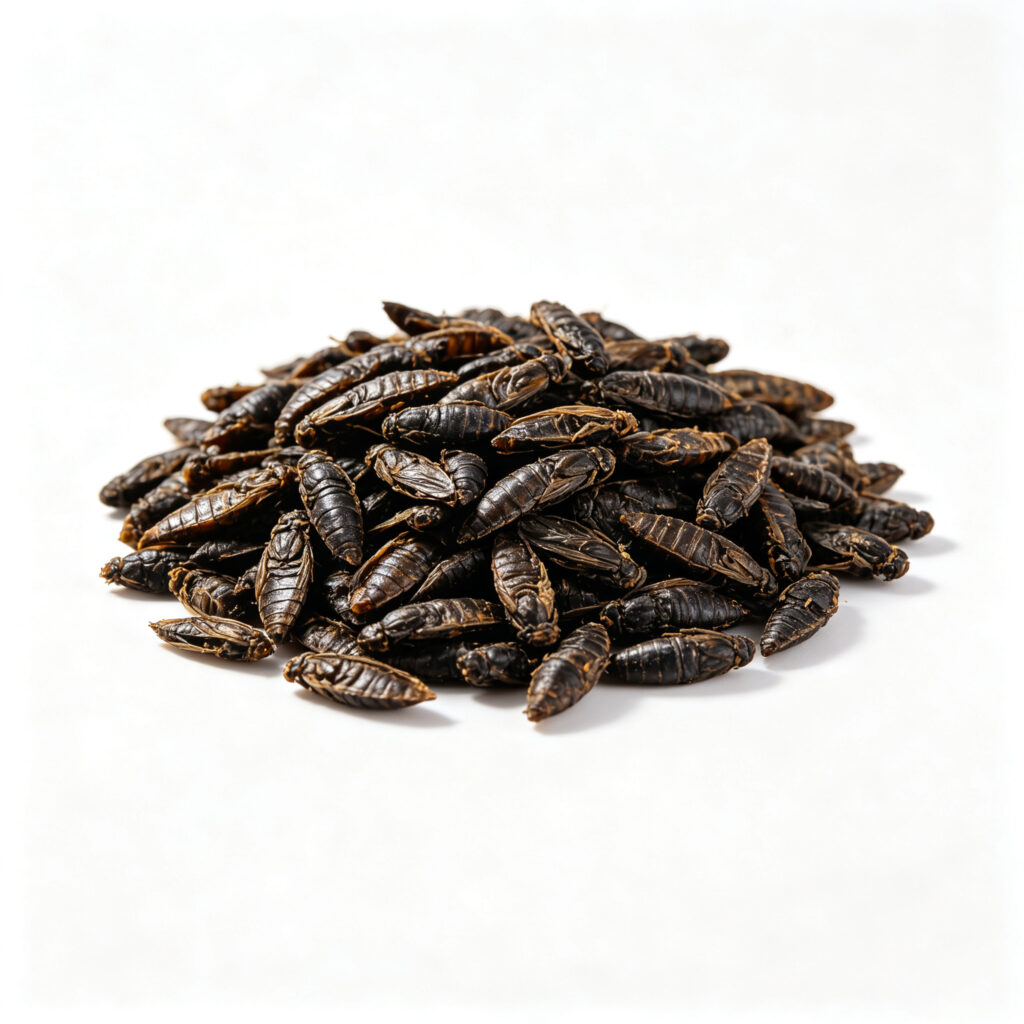
This internal moisture trap transforms the cargo into an active breeding ground for Salmonella, E. coli, and highly toxic aflatoxins. When border inspection officials sample the container and detect microbial contamination, the cargo is either condemned to mandatory incineration or re-exported at the buyer’s expense. Furthermore, because BSFL are voracious bio-converters, poor feedstock management at low-tier rearing facilities leads to the bio-accumulation of heavy metals, including cadmium, lead, and arsenic. If the pre-shipment Certificate of Analysis (COA) fails to reflect strict compliance with destination heavy metal thresholds, the entire shipment becomes a total financial loss.
To definitively overcome these biological and regulatory hurdles, industry-leading manufacturers have implemented advanced microwave dehydration technology. Rather than applying slow, external heat that scorches the insect exterior while leaving the core damp, industrial microwave systems deploy precise electromagnetic waves that generate volumetric heat directly from internal water molecules. This state-of-the-art process rapidly drives the moisture content down to a strictly guaranteed level of under 5%. For large-scale buyers working with a technologically advanced Bulk Black Soldier Fly Larvae (BSFL) supplier, this sub-5% moisture threshold provides an impenetrable biological barrier against mold proliferation, lipid rancidity, and bacterial growth throughout international transit.
Crucially, the speed and low thermal stress of microwave processing prevent the destructive Maillard reaction. Prolonged conventional baking causes amino acids and reducing sugars to bind, visibly blackening the larvae and severely denaturing heat-sensitive proteins such as lysine and methionine. By completely bypassing this thermal degradation, microwave-dried BSFL consistently deliver a Crude Protein content exceeding 50% on a dry-matter basis, with uncompromised amino acid bioavailability. For commercial feed formulators, this preserved nutritional density directly optimizes the Feed Conversion Ratio (FCR), eliminating the need for expensive synthetic protein supplementation in downstream feed production.
Ultimately, international B2B procurement success depends entirely on verifiable supply chain integrity. Global buyers must demand complete transparency from their Bulk Black Soldier Fly Larvae (BSFL) supplier prior to cargo loading. Securing third-party verified documentation, including comprehensive microbiological screenings and an SGS-certified Certificate of Analysis (COA) per batch, guarantees that the delivered product strictly adheres to destination import protocols. By aligning with a technologically advanced manufacturer that couples industrial microwave dehydration with transparent quality assurance, procurement directors can confidently scale their alternative protein supply chains, eliminate customs clearance risks, and maximize long-term commercial returns.
Looking for a Reliable Supplier? BulkInsects utilizes advanced microwave dehydration technology to ensure premium quality. Fully SGS certified with COA provided per batch. Start your market test with our 1000kg MOQ. Contact us today for CIF pricing and free samples.