
In the rapidly expanding alternative protein market, European and North American feed manufacturers face a persistent challenge: maintaining strict formulation consistency. As the agricultural and pet food industries scale, the reliance on insect-based ingredients has surged. However, procurement directors often discover that not all insect proteins are created equal. The critical differentiator lies in the processing phase. For procurement managers sourcing bulk ingredients, understanding the dehydration technology is paramount, as the chosen method directly impacts crude protein levels, amino acid profiles, and ultimately, the Feed Conversion Ratio (FCR) of the end product.
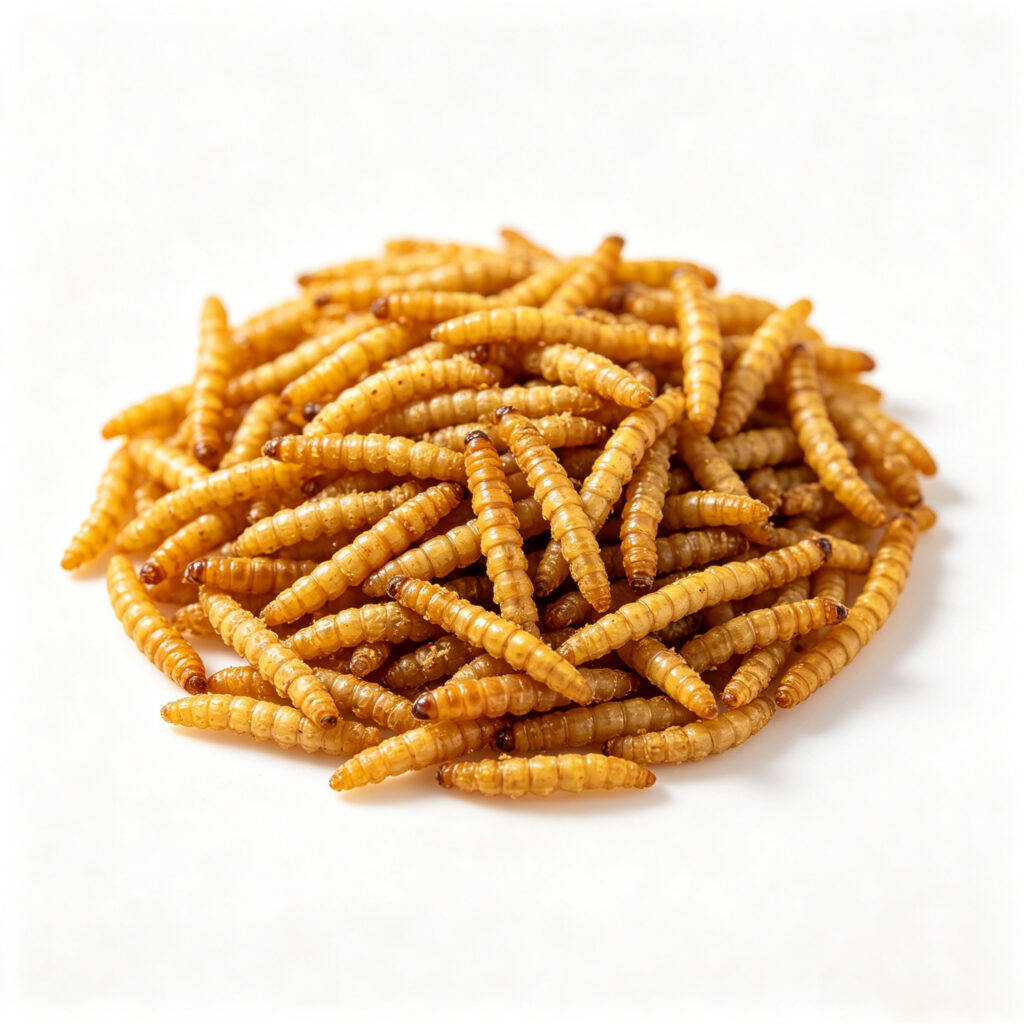
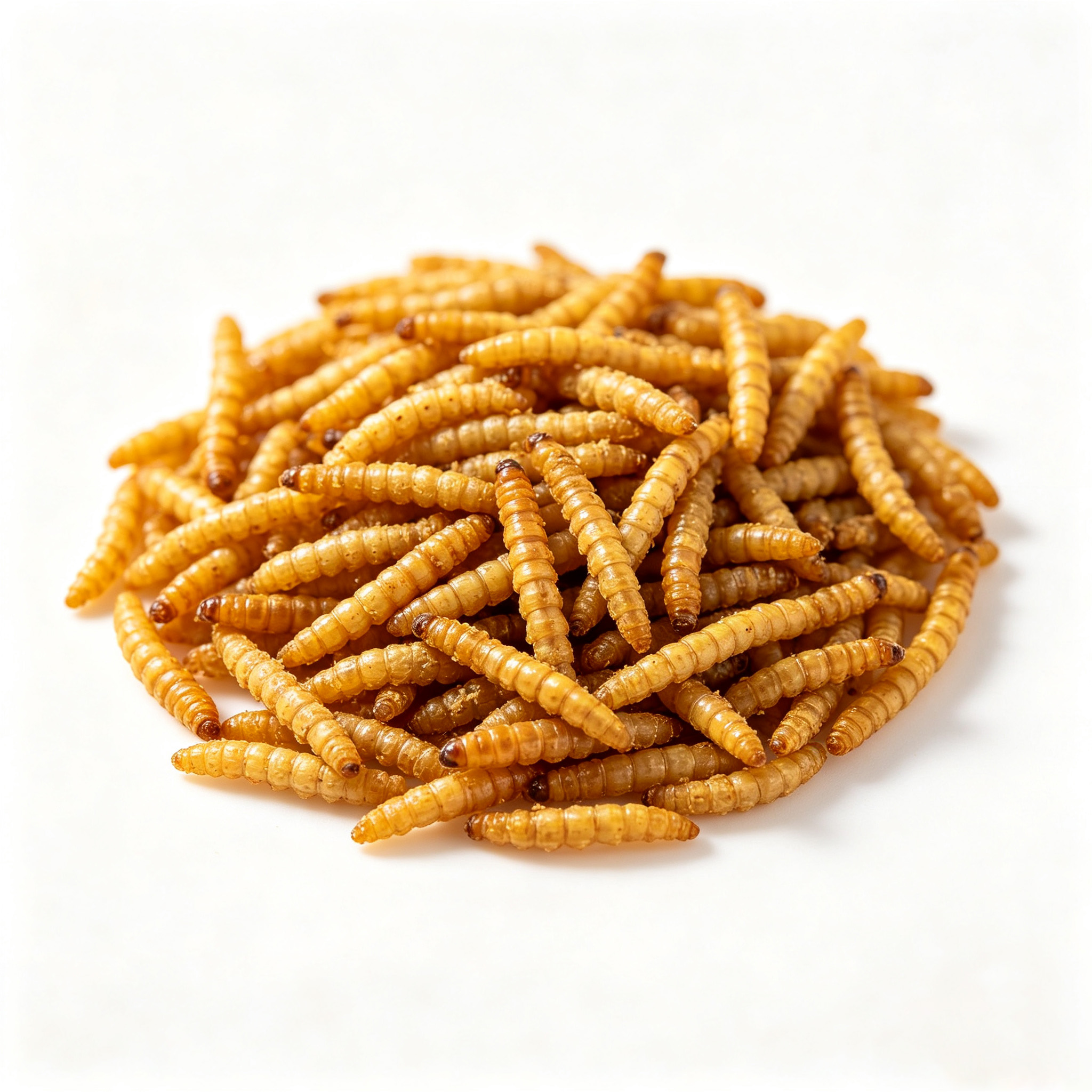
The Buyer’s Dilemma: Inconsistency in Sourcing Wholesale Dried Mealworms
Traditional sun-drying or conventional thermal oven processing introduces massive quality variability. Buyers frequently encounter batches with fluctuating moisture content, leading to a host of supply chain nightmares. When subjected to prolonged, high-heat oven drying, insect proteins undergo excessive Maillard reactions. This thermal stress not only darkens the product visually but actively degrades heat-sensitive, essential amino acids like lysine and methionine, lowering the overall bioavailability of the crude protein.
For a B2B feed formulator calculating precise nutritional macros, a batch dropping from 55% to 48% crude protein mandates costly downstream formulation adjustments. Furthermore, uneven thermal drying leaves residual moisture pockets within the insects. This drastically increases the risk of aflatoxin and fungal development during long oceanic transit under standard FOB shipping terms, leading to rejected containers at the destination port.
The Technical Superiority of Microwave Dehydration
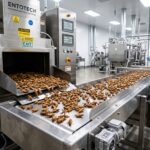
To resolve these systemic pain points, industry-leading source factories have transitioned to advanced microwave dehydration technology. Unlike conventional ovens that apply heat slowly from the outside in, microwave technology utilizes electromagnetic waves to generate instantaneous, volumetric heating. The moisture inside the insect evaporates rapidly and uniformly. By drastically reducing the thermal exposure time from several hours to mere minutes, this process prevents the denaturation of structural proteins.
When evaluating suppliers of wholesale dried mealworms, buyers must recognize that microwave processing is not merely a production shortcut; it is a strict nutritional preservation mandate. The rapid moisture evaporation halts enzymatic degradation immediately, locking in the nutrient profile at its peak state without compromising the physical integrity of the exoskeleton.
Data-Driven Nutritional Retention and ROI
The commercial implications of this technology are heavily supported by analytical data. Laboratory analyses consistently demonstrate that microwave-dried insects yield a crude protein content ranging from 55% to 58%, compared to the 48% to 52% typically seen in thermally baked equivalents. Moreover, the lipid profile remains highly stable, preventing lipid oxidation (rancidity) that severely shortens shelf life.
For aquaculture and poultry operations, this superior nutritional density translates directly to a lower FCR, maximizing the return on investment (ROI) for the end-user. Our internal batch testing reveals that wholesale dried mealworms processed via microwave technology maintain over 95% of their original amino acid integrity. This provides a highly digestible, premium ingredient suitable for high-margin pet food blends and specialized livestock feeds.
Optimizing the Global Supply Chain
Beyond nutritional metrics, advanced microwave dehydration solves critical logistical vulnerabilities for international bulk buyers. The rapid and uniform drying achieves a precise, consistent moisture content of under 5%. This exactitude is a formidable defense against microbial proliferation.
Securing a stable supply of wholesale dried mealworms is only half the battle; ensuring that the cargo survives international shipping routes without degradation is equally critical. With consistent moisture levels achieved through microwave technology, buyers can confidently manage inventory, knowing the shelf life extends up to 12 to 18 months without specialized refrigeration, effectively mitigating logistics risks. As the alternative protein sector matures, partnering with a source factory that invests in advanced processing infrastructure is a strategic necessity.
Looking for a Reliable Supplier? BulkInsects utilizes advanced microwave dehydration technology to ensure premium quality. Fully SGS certified with COA provided per batch. Start your market test with our 1000kg MOQ. Contact us today for CIF pricing and free samples.