
To successfully Import Dried Earthworms to USA and EU, B2B procurement managers and international feed formulators must navigate a highly complex and strictly enforced regulatory landscape. As the alternative protein market expands, premium earthworm protein is increasingly sought after for high-end aquaculture and specialized pet food formulations. However, the international trade of insect-based agricultural commodities is fraught with hidden risks. For large-scale buyers negotiating Full Container Load (FCL) contracts, the journey from the source factory to the destination warehouse involves intense scrutiny regarding veterinary certificates, sanitary conditions, and ingredient stability. Understanding these systemic pain points is the first crucial step in establishing a resilient global supply chain.
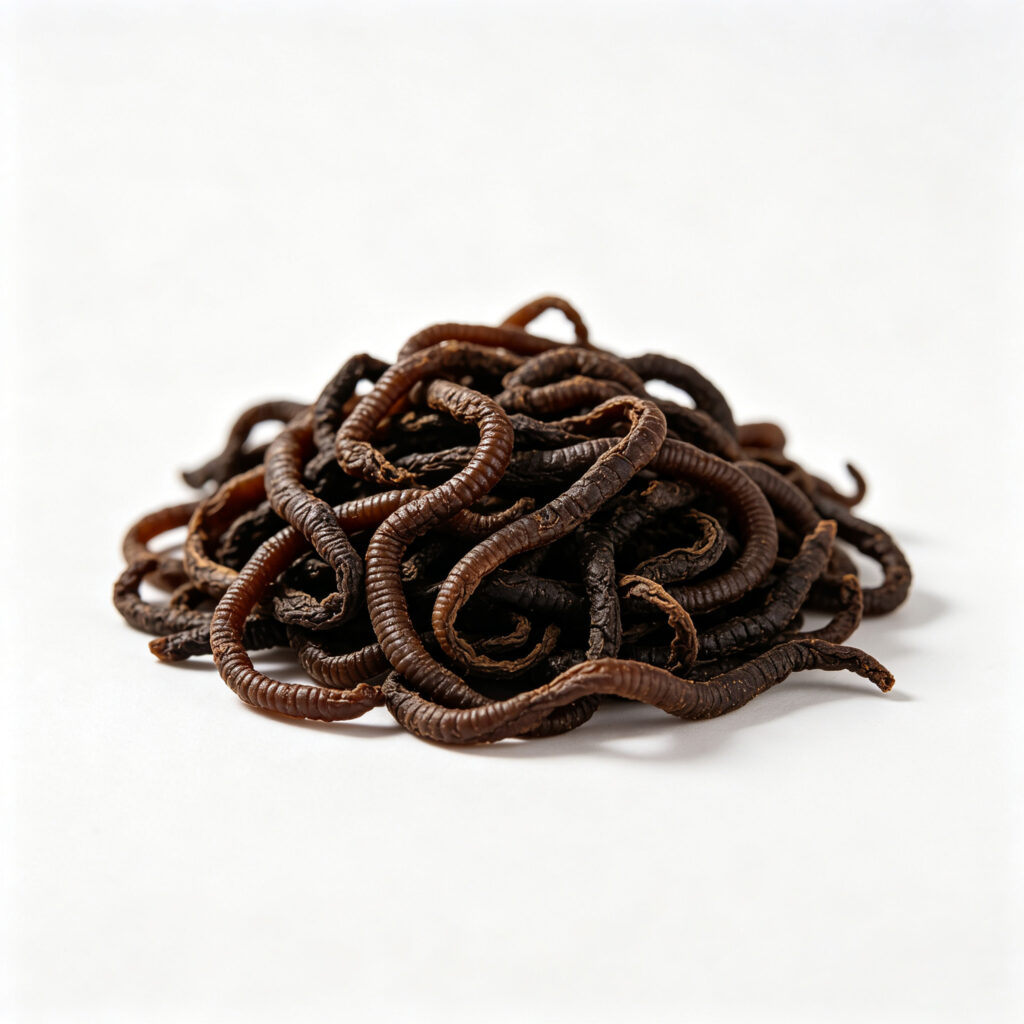
Regulatory Hurdles When You Import Dried Earthworms to USA and EU
The most devastating pain point for international bulk buyers is the risk of cargo rejection at the destination port. Both the European Union and the United States have established rigid protocols to prevent the introduction of foreign pathogens. In the EU, the Trade Control and Expert System (TRACES) demands flawless traceability. The source factory must be officially registered and approved by local customs to export animal by-products. If the commercial invoice, the packing list, and the veterinary health certificate do not perfectly align with the TRACES system, the shipment will be stalled, accruing astronomical port demurrage fees.
Similarly, US buyers face stringent evaluations by the USDA APHIS (Animal and Plant Health Inspection Service) and the FDA. A primary reason containers fail these inspections is biological instability caused by outdated processing methods. Traditional sun-drying or cheap thermal roasting often leaves a residual moisture content of 10% to 15%. During a standard 30-to-45-day ocean transit under FOB (Free on Board) terms, temperature fluctuations inside the shipping container inevitably cause condensation. This excess moisture becomes a breeding ground for Salmonella, E. coli, and aflatoxins. When customs officers sample the cargo and detect microbial proliferation, the entire container is either seized or destroyed at the buyer’s expense.
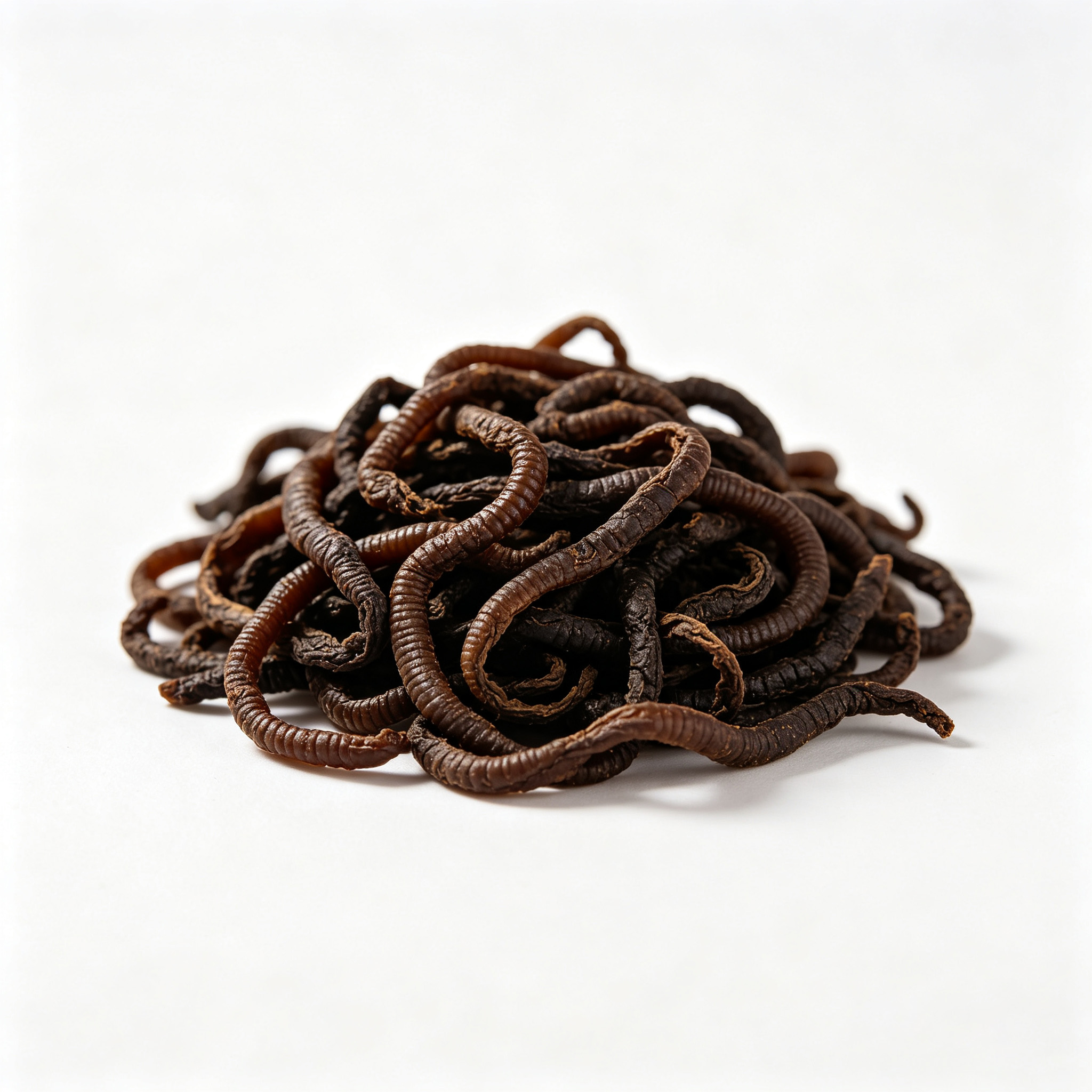
To completely eliminate these logistical and sanitary risks, industry-leading source factories have moved away from conventional drying. By implementing advanced microwave dehydration technology, the internal moisture of the earthworms is rapidly evaporated through volumetric electromagnetic heating. This state-of-the-art process brings the moisture content down to a highly stable level of under 5% in a matter of minutes. For companies that Import Dried Earthworms to USA and EU, this technical superiority acts as an absolute safeguard. The microwave sterilization strictly complies with international microbiological limits, ensuring that the cargo clears customs smoothly and remains shelf-stable for up to 18 months without refrigeration.
Beyond customs clearance, the dehydration methodology directly impacts the financial return for feed manufacturers. Earthworms are prized for their exceptional amino acid profile, particularly their high levels of lysine and methionine, which are critical for optimal animal growth. However, conventional prolonged baking subjects the insects to intense thermal stress, triggering the Maillard reaction. This not only darkens the product but denatures the heat-sensitive proteins, severely reducing their bioavailability.
Advanced microwave technology circumvents this degradation by drastically shortening the heat exposure time. Laboratory analyses confirm that microwave-processed earthworms can retain a Crude Protein content exceeding 60%, with pristine lipid integrity. For aquaculture operations and pet food brands, this preserved nutritional density translates directly to a highly efficient Feed Conversion Ratio (FCR). When you plan to Import Dried Earthworms to USA and EU, securing ingredients with a guaranteed 60%+ crude protein means you are maximizing the ROI of your final feed formulation, effectively lowering your overall production costs while maintaining premium quality.
Ultimately, international B2B procurement is about mitigating risk and ensuring consistency. Buyers must look beyond the initial price per metric ton and evaluate the technological infrastructure of their source factory. Partnering with a manufacturer capable of delivering consistent microbiological safety, premium nutritional retention, and flawless export documentation is the only sustainable strategy for dominating the alternative protein market.
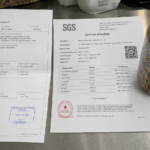
Looking for a Reliable Supplier? BulkInsects utilizes advanced microwave dehydration technology to ensure premium quality. Fully SGS certified with COA provided per batch. Start your market test with our 1000kg MOQ. Contact us today for CIF pricing and free samples.