
Insect protein is transitioning from a niche market to mainstream. 2026 marks a critical turning point for the industry: rapid capacity expansion, gradual regulatory liberalization, and diversified downstream applications. For bulk buyers, understanding industry trends can help make more forward-looking supply chain decisions.
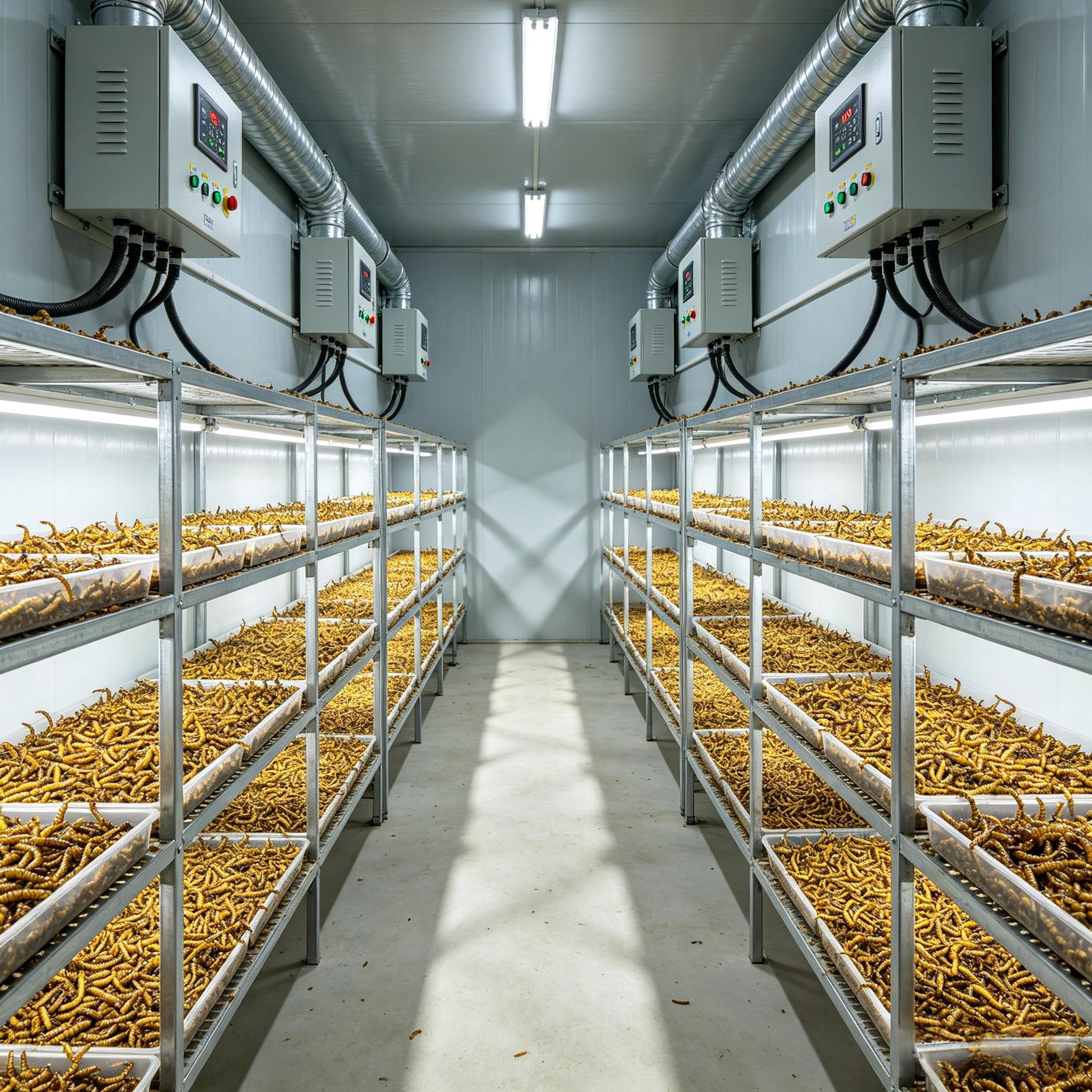
Changes in Supply and Demand Landscape: Over the past five years, global insect protein production capacity has multiplied several times. Large-scale plants with capacities of hundreds or even thousands of tons have emerged in China, Southeast Asia, Europe, and North America. The rate of capacity expansion has at times outpaced demand growth, putting downward pressure on prices for some varieties.
For buyers, this is good news: increased competition among suppliers gives you more bargaining power. However, at the same time, industry consolidation is accelerating, and some small and medium-sized farms with insufficient capital may exit the market within the next 1-2 years. Financial stability is also a crucial factor to consider when selecting suppliers.
Market Popularity Diverges Among Insect Species
Market popularity is diverging among different insect species:
Black Soldier Fly: Highest level of industrialization, most concentrated capital investment, and expected to remain a major growth driver for the next 3-5 years.
Yellow Mealworm: Leading application in human food; market expansion following EU approval, but low barriers to entry and intense competition.
Grasshoppers/Crickets: Niche market but high premium; growth potential in the human food sector.
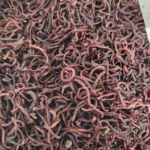
Earthworms: Stable demand in organic agriculture and pet food, but difficult to scale up.
If your formulation allows, black soldier flies are currently the most stable and cost-effective option.
Regulatory Progress and Uncertainty
The EU is a global trendsetter in insect protein approvals. The number of insect species approved for human consumption is increasing, and approvals for use in livestock feed are also underway. Once the EU allows insect protein for pig and poultry feed, market demand could experience explosive growth.
Uncertainty in the US market mainly lies in the FDA’s regulatory stance. Current policies are relatively lenient, but stricter regulations in the future cannot be ruled out.
For buyers, it is recommended to regularly monitor regulatory developments. A product that can be legally imported today may face import restrictions tomorrow due to regulatory changes.
The Business Value of Sustainability: The low carbon footprint of insect protein is its core advantage over traditional proteins. More and more end-user brands are incorporating carbon footprint data into their supplier evaluations. If your suppliers can provide third-party certified carbon emission data, this can be an effective tool for conveying value to your customers.
By 2026, sustainability will no longer be a “bonus,” but rather an “entry ticket” to certain markets and channels. Start requiring suppliers to prepare relevant data now so you won’t be caught off guard when the market suddenly demands it.
Procurement Strategy Recommendations: In this rapidly changing market, procurement strategies should balance short-term costs and long-term stability:
Lock in 1-2 key suppliers for core products and sign framework agreements.
Retain alternative suppliers and update evaluations regularly.
Pay close attention to regulatory developments and prepare in advance for product switching.
Prioritize quality and compliance over price; the risks of lower prices often outweigh the costs.
The insect protein industry is still evolving rapidly. Maintaining information sensitivity and regularly reviewing your supplier list and procurement standards are key to remaining competitive.