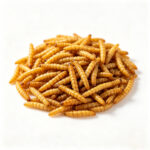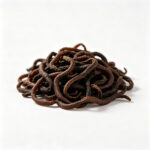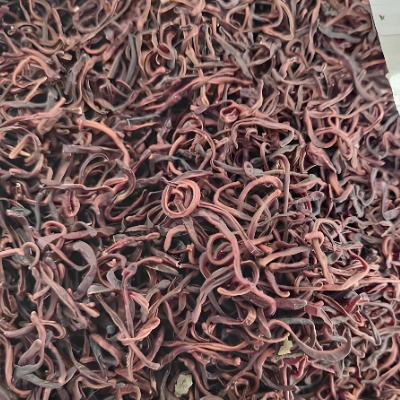

The biggest risk for importers of dried earthworms is not price fluctuations, but rather the possibility of a shipment being detained or returned by customs due to substandard quality. Earthworms’ ability to accumulate soil pollutants makes quality control more challenging than most agricultural products. Here are the key control points you must verify before purchasing:
Source Traceability: Where Do the Raw Materials Come From?
This is the starting point for quality control of dried earthworms. Ask the supplier directly: On what substrate are the earthworms raised? Are they raised on cow manure, household waste, or specialized feed? The substrate directly affects heavy metal and microbial indicators. If the supplier cannot explain the source of the raw materials or admits they come from open composting sites, you will need to invest more in testing.
Prioritize suppliers who use standardized breeding beds and have independent breeding bases. GAP certification significantly reduces the risk level.
Verification of the Intestinal Cleansing Process: Earthworms need to undergo an “intestinal cleansing” process before drying to expel the soil from their intestines. This step is crucial in distinguishing professional suppliers from small workshops.
Inquire about the specific intestinal cleansing method: Is it done in plain water or with added excretion promoters? How long does the cleansing process take? Is there a post-gut cleaning process? A meticulous supplier can clearly describe the parameters of each step; a vague answer suggests that quality control likely relies on “experienced technicians” rather than standardized procedures.
The Impact of Drying Methods on Quality: The drying method of earthworms directly determines the color, odor, and degree of protein denaturation in the final product.
Sun-drying: Lowest cost, but highly susceptible to weather conditions, high risk of bacteria and mold, and partial protein degradation due to prolonged exposure to ultraviolet light. The low price is justified.
Hot air drying: The mainstream method, temperature is controllable (usually 60–75℃), and product quality is stable. Suppliers should provide records of drying temperature and time.
Freeze-drying: Best quality, retains the most nutrients, but costs 3–5 times more than hot air drying. Only suitable for high-end pet food or supplement raw materials.
Required Testing Reports
In addition to routine tests for protein, moisture, and ash, dried earthworms must undergo the following additional tests:
Lead, cadmium, mercury, and arsenic (four heavy metals)
Aflatoxin (if the substrate contains grain-based feed)
Salmonella and E. coli
Pesticide residues (if the substrate contains plant-derived waste)
These tests should ideally be conducted by an ISO 17025 certified laboratory. If the supplier claims the testing costs are too high, you can proactively offer to cover them—it’s worth it compared to having an entire container of goods returned.
Contingency Plan for Arrival Inspection
Even if the samples and documents are all normal, you should still have a contingency plan for random inspection upon arrival of the shipment. The contract should clearly state that if the arrival inspection fails, the supplier will bear all costs of returning or destroying the goods. Without this clause, you will bear all the losses alone.