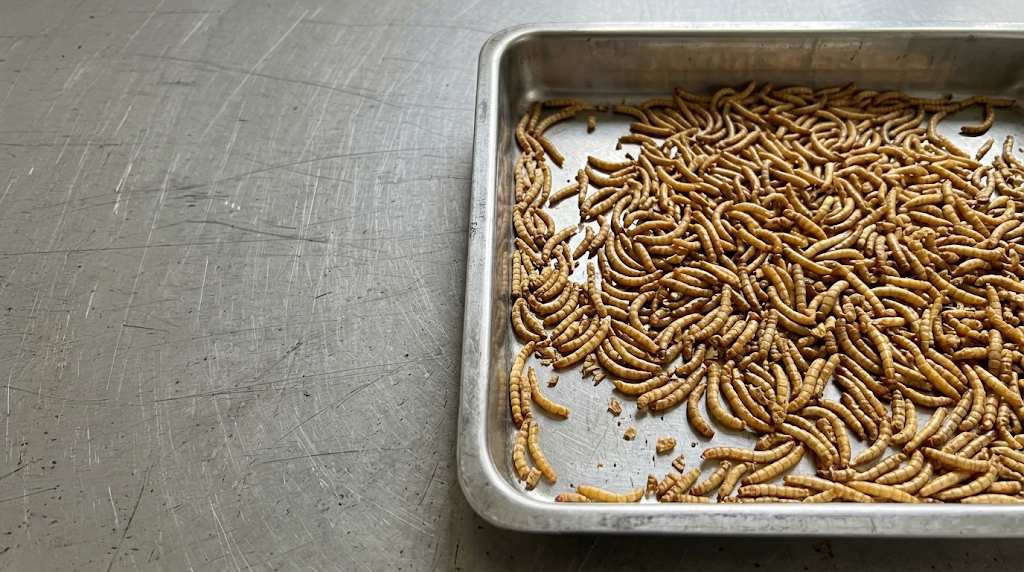

For commercial importers, feed manufacturers, pet food brands, and distributors, dried mealworm color is an important visual characteristic when evaluating whole dried mealworms. Buyers may encounter products ranging from light golden yellow to amber and medium brown, sometimes with noticeable differences within the same batch.
However, color alone cannot establish whether a dried mealworm product is safe, nutritionally suitable, or compliant with an agreed specification. Natural biological variation, drying conditions, residual moisture, and storage history can all influence appearance. A darker product is not automatically defective, just as a lighter product is not necessarily higher quality.
This guide explains how B2B buyers can distinguish acceptable color variation from conditions requiring investigation, review batch evidence, and establish practical visual acceptance standards before placing a bulk order.
1. What Causes Dried Mealworm Color Variation?
Whole dried mealworms are biological products, and their appearance is influenced by several factors before and after drying. Larval development, feed composition, handling conditions, and differences between production batches can contribute to variations in the final color. Even when the same drying method is used, individual larvae may not develop an identical shade.
Drying conditions can also affect appearance. Temperature, exposure time, airflow, and moisture removal may influence surface color and browning. Heat-dried mealworms can show different degrees of browning depending on the process, while freeze-dried products may retain a different visual appearance. These tendencies should not be treated as universal rules because the finished result depends on the complete processing conditions.
Storage and packaging may introduce further changes. Exposure to unfavorable conditions, including excessive heat, light, moisture, or prolonged storage, can affect product appearance and other quality characteristics. Buyers should therefore consider color together with the product’s processing history, storage conditions, and batch documentation rather than relying on photographs alone.
2. Which Color Differences Are Acceptable?
Commercial whole dried mealworms commonly display some variation in yellow, golden, amber, and brown tones. Differences in shade between individual larvae do not automatically indicate a quality problem. The acceptable appearance depends on the agreed product grade, intended application, and approved reference sample.
For example, a buyer supplying visible whole mealworms for specialty bird food or reptile products may prioritize a consistent golden-brown appearance. Another buyer using dried mealworms as a commercial feed ingredient may place greater emphasis on moisture, cleanliness, nutritional composition, and overall batch consistency. Neither purchasing approach establishes a universal color standard for every application.
Buyers should distinguish normal variation from unusual visual conditions. Extensive localized blackening, unexpected discoloration, visible mold-like growth, or a substantial change from an approved sample may justify further inspection. Such observations are warning signs requiring evaluation, not proof of a specific defect or contamination source.
A practical color specification should define an acceptable range using representative physical samples or standardized photographs taken under controlled lighting. It should also explain whether isolated darker insects are acceptable and what degree of batch-wide deviation requires review.

3. How to Inspect Color Consistency Across Commercial Batches
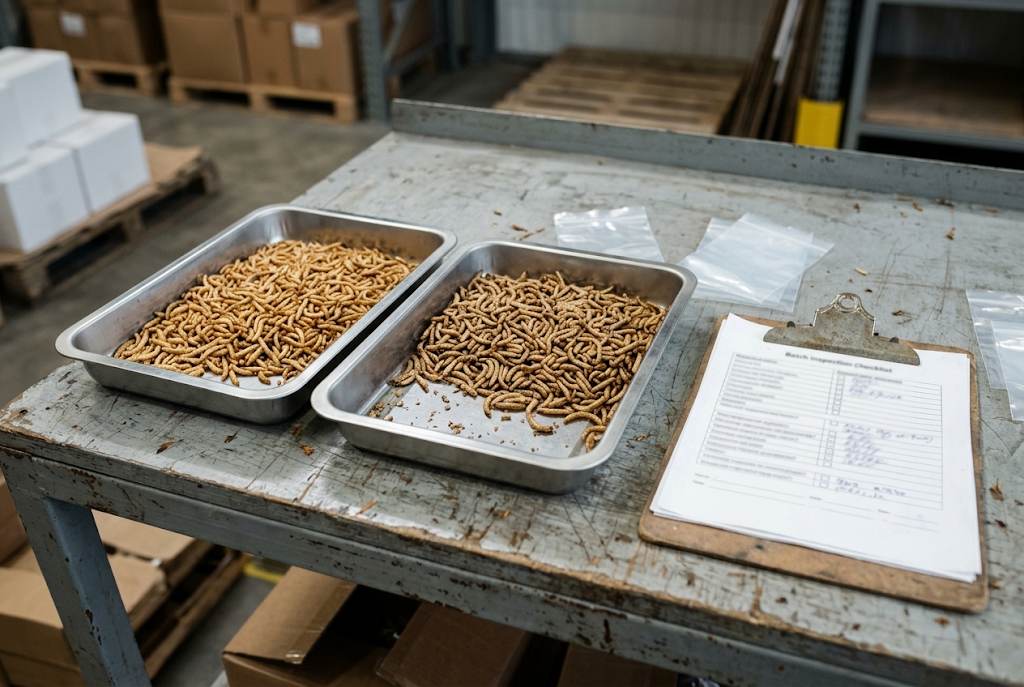
Color inspection should be conducted under reasonably consistent conditions. Lighting temperature, camera exposure, background color, and image processing can make identical products appear different. Buyers comparing supplier photographs should therefore avoid judging color from images taken under unrelated lighting conditions.
A representative inspection should include material from multiple locations within the relevant lot rather than a small, selectively chosen sample. Inspectors can compare the material with an approved reference sample, record the distribution of visible shades, and document unusual findings. Where appearance is commercially critical, the buyer and supplier may agree on a more structured visual grading procedure.
The inspection should also consider physical characteristics beyond color. Whole-body integrity, excessive fragments, foreign matter, unusual odor, and moisture-related concerns can provide additional information about the product’s condition. A batch that matches the approved color reference may still fail other quality requirements.
For recurring orders, consistent inspection records can help distinguish normal biological variation from meaningful changes in the supplied product. Buyers should agree on how color deviations are reported, when additional samples are required, and how disputed results will be resolved.
4. What Evidence Should Buyers Request?
A representative pre-shipment sample is one of the most useful references for establishing acceptable dried mealworm color. Buyers should confirm whether the sample represents the proposed commercial grade and whether future shipments will be evaluated against the same reference.
Batch photographs can provide additional evidence when they show the actual material under consistent lighting. Useful photographs may include an overall view of the inspection tray and closer views of individual insects, allowing the buyer to assess the range of visible shades and physical condition. Photographs should support inspection rather than replace an agreed sampling procedure.
A Certificate of Analysis (COA) may document moisture, protein, fat, ash, or other tested parameters, but it does not automatically verify visual color consistency. If color is a contractual acceptance criterion, it should be supported by an agreed visual inspection record or another suitable documented procedure.
Buyers should also review relevant batch identifiers, drying method information where available, packaging specifications, and storage conditions. Together, these records provide a stronger basis for evaluating product consistency than a general supplier claim that the mealworms are uniformly golden.
5. Practical Considerations for B2B Buyers
Before requesting a commercial quotation, buyers should specify the intended application, required product grade, approximate order quantity, destination, and preferred packaging. If appearance is important, the RFQ should describe the expected dried mealworm color range and request a representative sample for approval.
The buyer and supplier should agree on how the reference sample will be maintained and how future batches will be compared. A written specification may identify acceptable golden-to-brown variation, conditions requiring further inspection, and the procedure for documenting significant deviations. Any numerical grading tolerance should be based on an agreed inspection method rather than an unsupported industry-wide claim.
Color requirements should remain separate from safety and nutritional requirements. Moisture limits, microbiological criteria, foreign-matter controls, and other applicable specifications should be verified independently. A visually attractive batch should not bypass required testing, while a darker batch should not be rejected solely because it differs from a subjective color preference that was never agreed.
For repeat purchasing programs, buyers can reduce disagreements by approving a reference sample, establishing consistent photography and inspection conditions, and confirming the acceptance procedure before the first shipment. These steps make communication more efficient and support repeatable commercial quality decisions.
Frequently Asked Questions
What is the normal color of dried mealworms?
Whole dried mealworms may appear light golden yellow, amber, golden brown, or darker brown, depending on the product and processing conditions. There is no single shade that automatically defines acceptable commercial quality.
Are darker dried mealworms lower quality?
Not necessarily. Darker coloration may be associated with processing conditions or other factors and does not independently prove spoilage or poor nutritional quality. Unusual discoloration should be evaluated alongside other quality indicators.
Does freeze-drying produce lighter mealworms than heat drying?
Freeze-drying and heat drying can produce different appearances, but the outcome depends on the specific processing conditions and raw material. Buyers should compare actual finished samples rather than assume one method always produces a particular color.
Can a COA confirm dried mealworm color?
A standard nutritional or microbiological COA does not automatically confirm color. Where appearance is a purchasing requirement, buyers should request representative samples and appropriate visual inspection records.
How should buyers specify acceptable color variation?
Buyers should approve a representative reference sample, define the acceptable shade range, establish inspection conditions, and document how significant deviations will be assessed. The requirements should reflect the intended commercial application.
Conclusion: Establish a Practical Color Standard Before Ordering
Evaluating dried mealworm color requires a balance between commercial appearance expectations and the natural variability of whole dried insects. Golden, amber, and brown shades may all be acceptable depending on the agreed grade, processing conditions, and intended use.
For reliable purchasing decisions, color should be evaluated using representative samples, consistent inspection conditions, and batch-linked evidence. Visual appearance should remain a separate acceptance parameter from moisture, contamination, microbiological testing, and nutritional specifications.
Commercial buyers can review our bulk dried mealworms or contact BulkInsects with their target color range, required quantity, packaging, destination, and quality specifications. We can discuss available product options and coordinate relevant samples and batch information for evaluation.