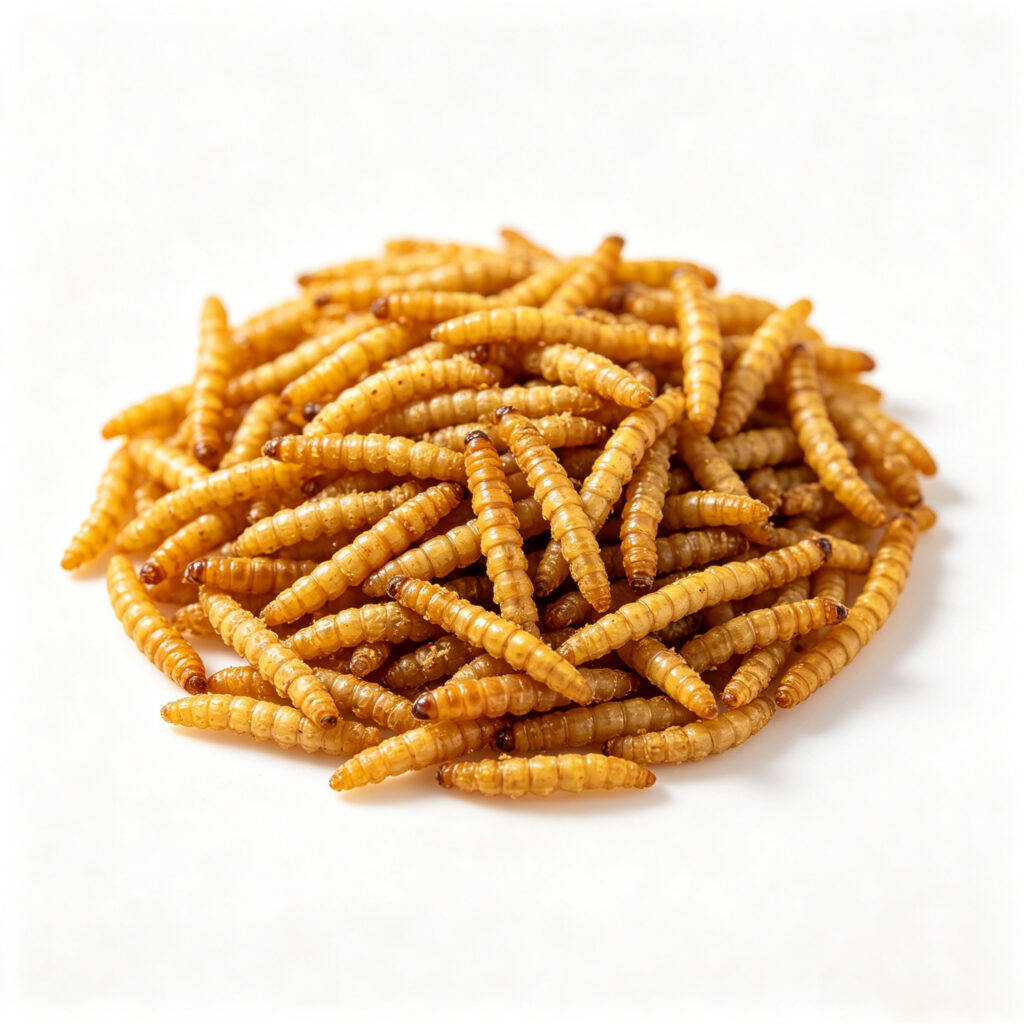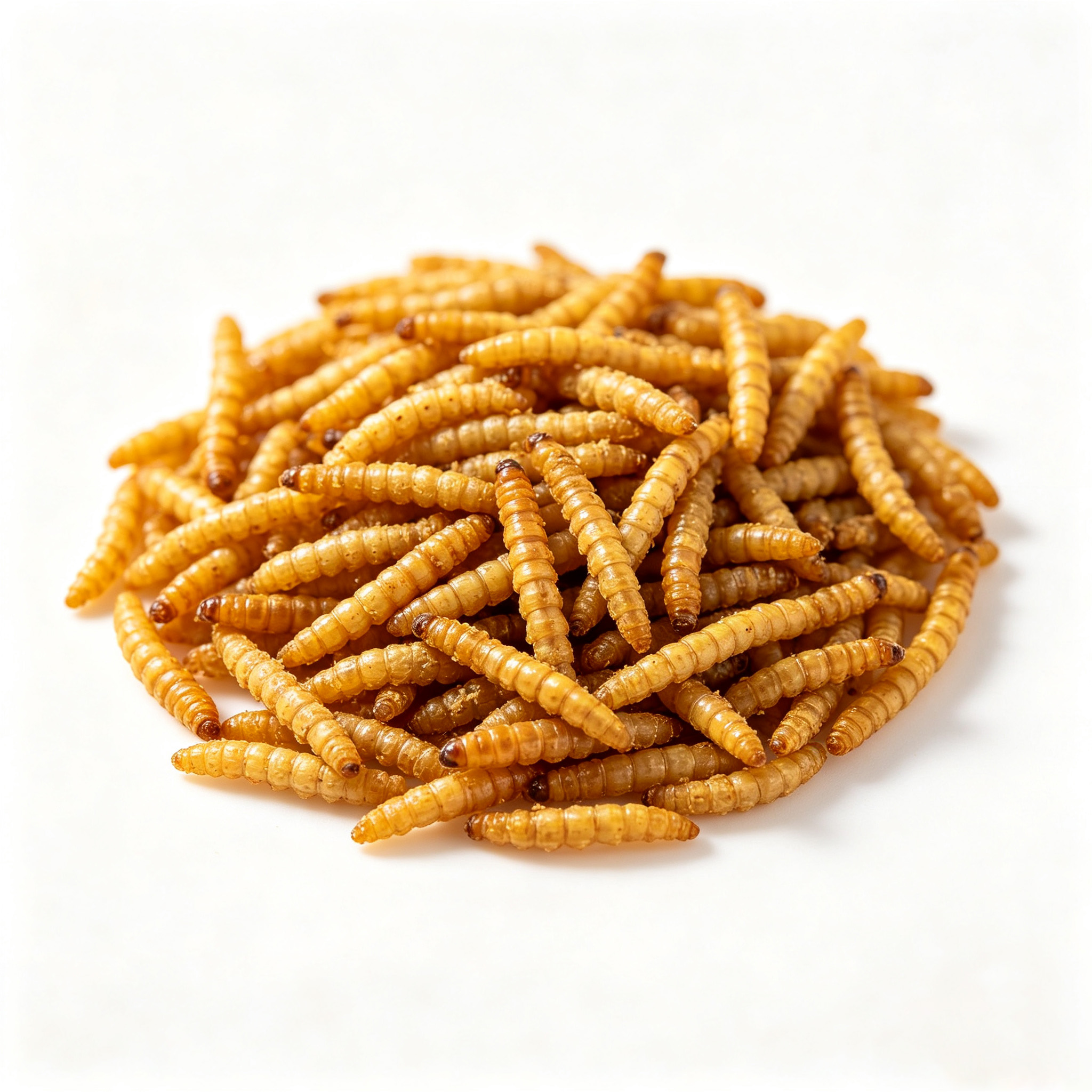

In the highly volatile commercial feed sector, international procurement managers face constant pricing pressure from fluctuating marine fishmeal and global soybean markets. As forward-thinking aquaculture and poultry brands transition toward sustainable alternative proteins, conducting a rigorous cost analysis on Wholesale Dried Mealworms is essential for protecting corporate profit margins. However, evaluating this alternative ingredient requires looking far beyond the initial invoice price. For B2B formulators negotiating Full Container Load (FCL) contracts under CIF or FOB terms, the true cost of a raw material is determined by its biological performance on the farm and its logistical stability during ocean transit. Understanding the biochemical variables and hidden supply chain risks that dictate the total Return on Investment (ROI) is critical for buyers aiming to replace traditional feed without inflating their overall production budgets.
The Hidden Costs of Low-Tier Wholesale Dried Mealworms
When purchasing directors source Wholesale Dried Mealworms from unverified overseas factories, they often prioritize the lowest upfront price per metric ton. This strategy frequently results in hidden financial losses that far exceed the initial procurement savings. The primary factor driving this cost discrepancy is the dehydration methodology used by the source factory. Conventional thermal oven-roasting or open-air sun-drying applies intense external heat to the insect over a prolonged period. This extended thermal exposure triggers a severe Maillard reaction, a chemical process that irreversibly binds heat-sensitive essential amino acids to reducing sugars.
Consequently, while the supplier’s Certificate of Analysis (COA) might show a high crude protein percentage, the actual bioavailability of that protein is severely compromised. When livestock consume this heat-damaged feed, they fail to metabolize the necessary nutrients, directly resulting in a poor Feed Conversion Ratio (FCR). To correct this stunted growth, commercial formulators must purchase expensive synthetic amino acids to supplement the diet, immediately erasing any upfront financial savings.
Furthermore, conventional roasting desiccates the outer exoskeleton, rendering the insects incredibly brittle. When these fragile Wholesale Dried Mealworms undergo the mechanical stress of international shipping and automated extrusion, they shatter into fine dust. This insect dust clogs expensive feed manufacturing equipment and burns easily, creating substantial material waste that further skews the cost analysis. Finally, cheap drying methods often leave hidden residual water trapped inside the insect. During ocean transit, this moisture inevitably causes container rain, leading to aflatoxin proliferation, total cargo rejection at the destination port, and astronomical demurrage fees.
Maximizing ROI with Microwave Wholesale Dried Mealworms
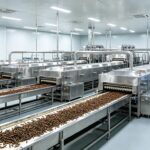
To systematically optimize the true cost of alternative proteins and eliminate supply chain blind spots, industry-leading brands source Wholesale Dried Mealworms processed through advanced microwave dehydration technology. This state-of-the-art volumetric heating method generates heat directly from the water molecules within the insect, ensuring rapid and highly uniform moisture evaporation. By drastically reducing the total drying time, this technology bypasses the thermal degradation zone entirely. The essential amino acids, particularly lysine and methionine, remain perfectly intact and highly bioavailable.
For international procurement teams, this high digestibility fundamentally transforms the cost analysis. Because the intact protein translates directly into an optimized FCR, feed manufacturers can significantly reduce their reliance on costly synthetic additives, lowering the final formulation cost per metric ton. Additionally, microwave processing preserves the structural elasticity of the insect, preventing the material from shattering into wasteful dust during transit and extrusion, thereby ensuring maximum material yield.
Moreover, this volumetric processing guarantees an internal moisture content strictly below the ≤5% moisture threshold. This precision acts as an industrial sterilization phase, completely preventing container condensation, halting fat oxidation, and securing a stable 18-month shelf life. This ensures that every kilogram purchased arrives in pristine condition, easily passing government-mandated Phytosanitary inspections and eliminating the financial risk of customs seizures.
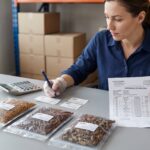
Ultimately, successfully replacing traditional feed requires absolute transparency from a manufacturing partner. Smart buyers leverage a 1000kg MOQ trial batch backed by full SGS documentation to safely test the biological performance of Wholesale Dried Mealworms in their own extrusion lines before committing to multimillion-dollar FCL contracts. By prioritizing advanced dehydration technology and strict quality control, B2B procurement directors can stabilize their global supply chains, reduce overall feed costs, and maximize their long-term commercial ROI.
Looking for a Reliable Supplier? BulkInsects uses advanced microwave dehydration technology to ensure premium quality. Fully SGS-certified with COA provided per batch. Start your market test with our 1000kg MOQ. Contact us today for CIF pricing and free samples.