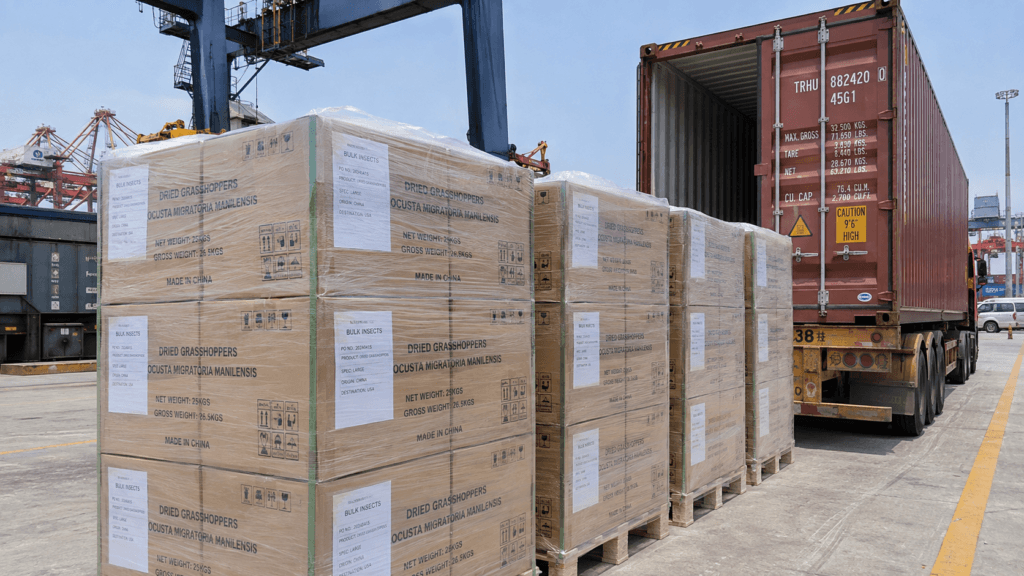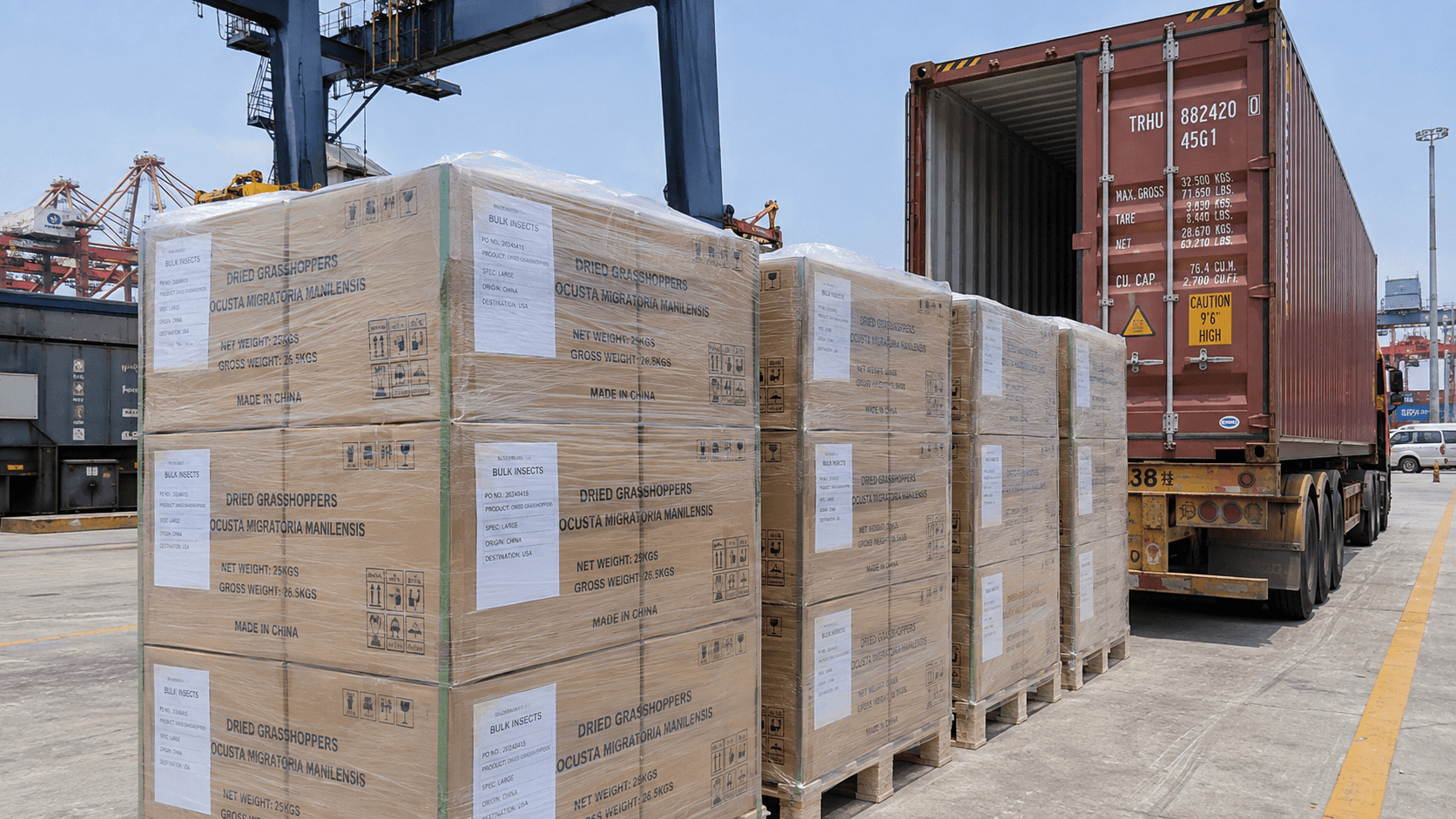

In the rapidly expanding sector of commercial animal nutrition, international feed formulators are aggressively sourcing sustainable invertebrate biomass to replace volatile marine fishmeal. For procurement directors managing high-value aquaculture and poultry operations, Sourcing Wholesale Dried Grasshoppers provides a tremendous biochemical advantage, delivering high-density crude protein and naturally immunity-boosting chitin. However, negotiating the procurement of biological commodities on a massive scale requires strict risk management regarding international shipping logistics. When buyers prepare to execute Full Container Load (FCL) contracts, they must choose between two primary Incoterms: Free on Board (FOB) and Cost, Insurance, and Freight (CIF). Understanding the deep logistical and biological implications behind these two distinct shipping terms is essential for feed mills to protect their multi-ton cargo during unpredictable ocean transit and maximize their commercial return on investment.
Analyzing FOB and Maritime Biological Risks
Under official guidelines established by the International Chamber of Commerce (ICC), purchasing FOB means the supplier’s liability ends the moment the cargo crosses the ship’s rail at the port of origin. The buyer assumes total responsibility for the maritime freight costs, ocean insurance, and all transit risks. While FOB can sometimes appear cheaper on a preliminary commercial invoice, it places an immense biological burden on the buyer when importing Wholesale Dried Grasshoppers.
Insect biomass is highly susceptible to severe internal condensation if not processed with extreme industrial precision. If an unverified agricultural broker utilizes outdated thermal oven-roasting or open-air sun-drying, the biomass will inevitably retain dangerous levels of hidden internal water. During a standard 30-day transoceanic voyage under FOB terms, intense temperature fluctuations cause this trapped water to evaporate and rapidly condense on the cold steel ceiling of the shipping container. This localized humidity triggers massive aflatoxin and Salmonella proliferation. Because the buyer assumes all transit risk under FOB, if border veterinarians reject the rotting FCL cargo upon arrival, the buyer suffers a total financial loss without any recourse against the original supplier.
The CIF Advantage and Microwave Sterilization
To systematically de-risk international procurement, prudent buyers often prefer CIF terms when partnering with a technologically advanced primary manufacturer. Under CIF, the supplier absorbs the ocean freight and maritime insurance costs up to the destination port. A tier-one supplier is confident in assuming this transoceanic liability because they deploy advanced industrial microwave dehydration technology.
Microwave systems generate instantaneous volumetric heating by exciting the water molecules throughout the biological tissue simultaneously. This rapid internal evaporation delivers thorough biological pasteurization and guarantees an internal moisture level maintained strictly below the ≤5% moisture threshold. This sub-5% limit acts as an impenetrable physical barrier against container rain. It halts enzymatic activity, prevents lipid rancidity, and secures a highly stable 18-month shelf life. When a buyer secures CIF terms for Wholesale Dried Grasshoppers from a microwave-equipped factory, they transfer the logistical risk to a supplier whose processing technology inherently guarantees absolute cargo stability during transit.
Protein Integrity and Aquatic Bioavailability
Beyond overcoming logistical hurdles, the core dehydration technology directly dictates the actual biological performance of the ingredient on the commercial farm. Traditional hot air roasting applies prolonged ambient heat, triggering a severe Maillard reaction that irreversibly binds heat-sensitive essential amino acids to reducing sugars. When livestock consume heat-damaged Wholesale Dried Grasshoppers, their digestive systems fail to metabolize these biologically locked proteins.
This resulting lack of bioavailability leads directly to a severely compromised Feed Conversion Ratio (FCR). To correct stunted growth cycles, formulators are forced to purchase and inject expensive synthetic amino acids into the feed, completely erasing the initial savings of the FCL contract. Advanced volumetric microwave heating completely bypasses this prolonged thermal stress. Just as this precise technology is mandated when processing premium export-grade Dried Maggots, microwaves preserve the complete integrity of the amino acid profile. Furthermore, it protects the natural structural elasticity of the exoskeleton, ensuring the biomass does not crumble into wasteful fine dust during the high-pressure automated feed extrusion process at the mill.
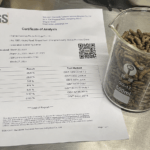
Ultimately, whether negotiating FOB or CIF terms, smart international procurement requires demanding total supply chain transparency and verifiable scientific data. Tier-one formulators de-risk their operations by demanding batch-specific Certificates of Analysis (COAs) validated by independent inspection bodies such as SGS. Furthermore, utilizing a structured 1000kg Minimum Order Quantity (MOQ) pilot shipment enables technical teams to evaluate real-world transit stability and verify that the supplier’s export documentation routes cleanly through international customs.
Looking for a reliable manufacturing partner? BulkInsects uses advanced microwave dehydration technology to deliver premium insect ingredients with full export compliance and transparent SGS documentation. Start your market test with our 1000kg MOQ. Contact us today for CIF pricing and free samples.