
As a feed or pet food manufacturer, you need more than just a simple insect supplier; you need a supply chain partner that can consistently deliver high-quality raw materials. This guide helps you establish your own procurement judgment framework from three dimensions: specifications, quality control, and cost.
- First, clarify what specifications you need. Dried mealworms are not highly standardized, and parameters vary greatly between different suppliers. Before requesting a quote, you must clarify the following:
Protein content: Commonly 48%–55% in the industry; high-end applications require ≥53%. Beware of falsely labeled “crude protein”; request a third-party testing report.
Moisture content: Standard ≤8%. Moisture content above 10% means you are paying for water, and it’s also prone to mold during storage.
Ash content: Normal 3%–5%. Excessive ash content usually indicates high levels of feed impurities or inadequate intestinal cleaning by the worms.
Microbiological indicators: At least Salmonella and E. coli test results are required. Standards are even stricter for products entering the EU market.
Write your required specifications in the contract appendix, not just in the inquiry email.
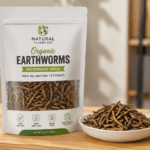
- Dried Worms vs. Live Worms vs. Worm Meal: Dried worms are the most common choice for bulk purchases, but different production lines are suited to different forms. Whole dried worms are suitable for pet treats and bird food; pay attention to breakage rate. Worm meal is suitable for feed premixes and pet staple food additives; consistent sieve mesh size is required. Live worms have extremely high logistics costs and are difficult to control in terms of loss. Starting with dried worms is the safest approach when trying this raw material for the first time.
- Key Indicators of Supply Chain Stability: The biggest fear for B2B procurement is not high prices, but supply disruptions.
Annual Production Capacity: Stable suppliers typically have a monthly production capacity of hundreds of tons or more. If the supplier cannot provide specific figures, they are likely a trader rather than a manufacturer.
Seasonal Fluctuations: Yellow mealworm farming is affected by temperature and humidity; production capacity decreases in northern production areas during winter. Does the supplier have temperature-controlled farming facilities and a stocking mechanism?
Batch Consistency: Require factory test reports for the most recent three batches, comparing the fluctuations in protein, moisture, and ash content.
- Cost Structure: Don’t Just Look at the Unit Price Dried mealworms are usually priced in US dollars per kilogram. Hidden costs must be calculated:
Moisture Premium: Supplier A charges $5/kg (10% moisture), Supplier B charges $5.3/kg (7% moisture). Converted to dry matter, Supplier B may be cheaper.
Packaging and Shipping: Default is 25 kg/bag. Does your production line require smaller packaging? Vacuum packaging extends shelf life but increases costs. Sea or air freight? Have you calculated the volume and weight of the entire container?
Tariffs and Compliance: Different countries classify insect protein imports differently. Obtain the HS code from the supplier in advance and confirm the tax rate with local customs.
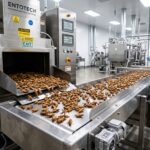
- Factory Inspection is More Important Than Sample Inspection Samples can be prepared, but a factory’s daily management cannot be faked. If an on-site factory visit is not possible, at least request a video inspection. Focus on: temperature and humidity control in the breeding workshop, hygiene of the drying line, rodent and insect control in the finished product warehouse, and whether the laboratory has basic testing capabilities. A clean, well-documented factory that is willing to showcase its entire process is likely to have stable product quality. 6. Key Changes to Watch in 2026
The EU is pushing forward with the approval process for insect protein in livestock feed; exports to Europe require attention to updates to new food regulations. Global demand for insect protein continues to rise, but China’s rapid capacity expansion is intensifying supplier competition, giving buyers some bargaining power. More and more end-user brands are willing to pay a premium for low-carbon footprint raw materials; suppliers providing carbon emission data can be a key marketing selling point.
Next Steps
Define specifications and parameters to establish internal procurement standards.
Send a standardized inquiry template to 3-5 suppliers.
When comparing quotes, include markups, shipping costs, and tariffs.
Arrange at least one video factory visit.
Order a small trial order; once the production line is operational, sign a long-term contract.
A good procurement decision is not about finding the cheapest supplier, but about finding a partner who can withstand problems.