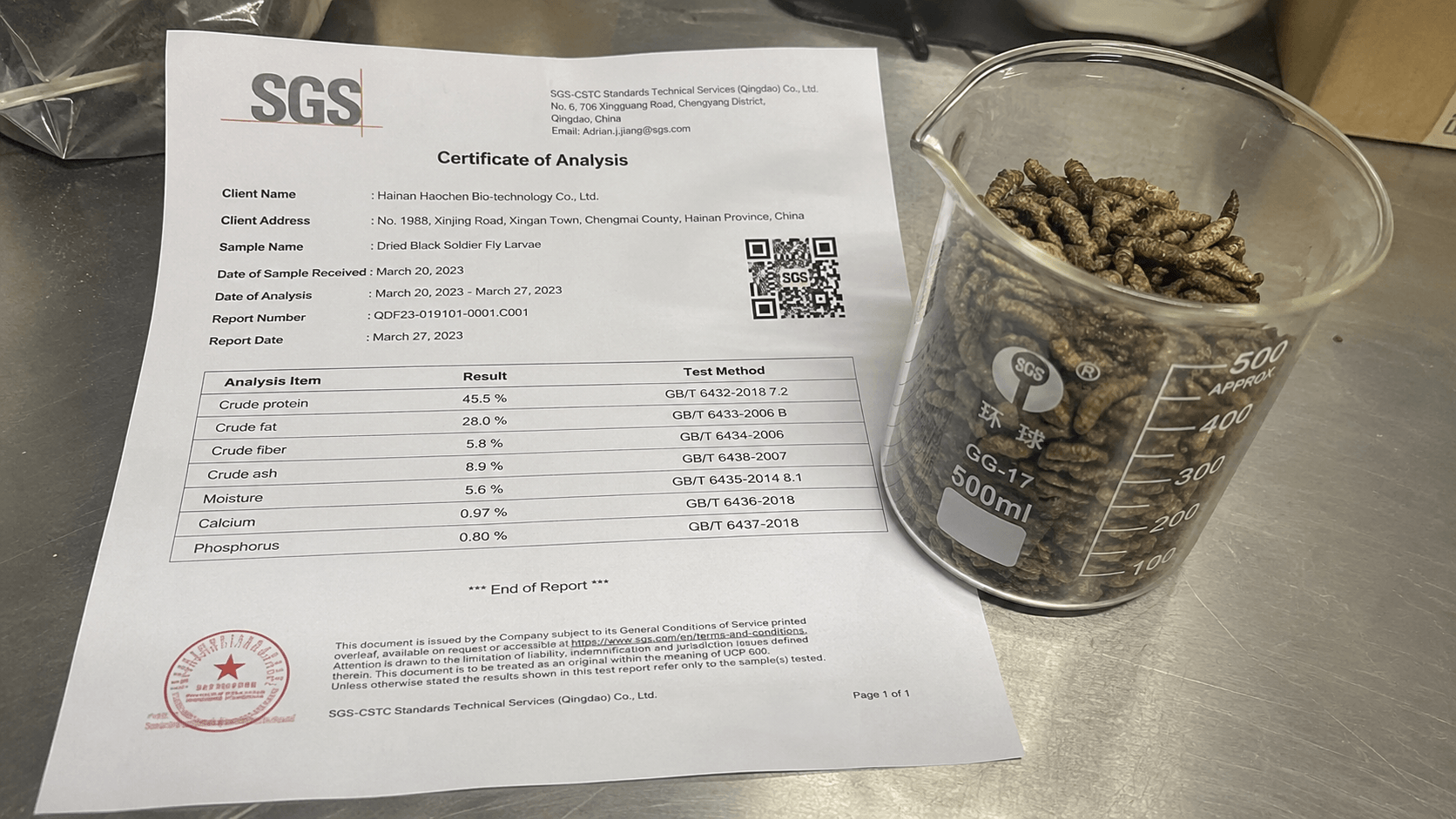

In the rapidly expanding commercial alternative protein sector, international feed formulators are actively substituting volatile marine fishmeal with sustainable insect biomass. For aquaculture and premium poultry operations, partnering with a technologically advanced Bulk Black Soldier Fly Larvae (BSFL) supplier represents a massive strategic upgrade in animal nutrition. BSFL offers an exceptional biochemical matrix, featuring high-density crude protein and immune-boosting lauric acid. However, committing to multimillion-dollar Full Container Load (FCL) contracts carries immense financial risk if procurement directors cannot accurately interpret the supplier’s Certificate of Analysis (COA). The global market is saturated with unverified agricultural brokers providing misleading documentation. Understanding how to decode the critical metrics on a COA is essential for commercial buyers to evaluate true biological efficacy, ensure absolute regulatory compliance, and maximize their overall return on investment.
Decoding Crude Protein vs. Bioavailability
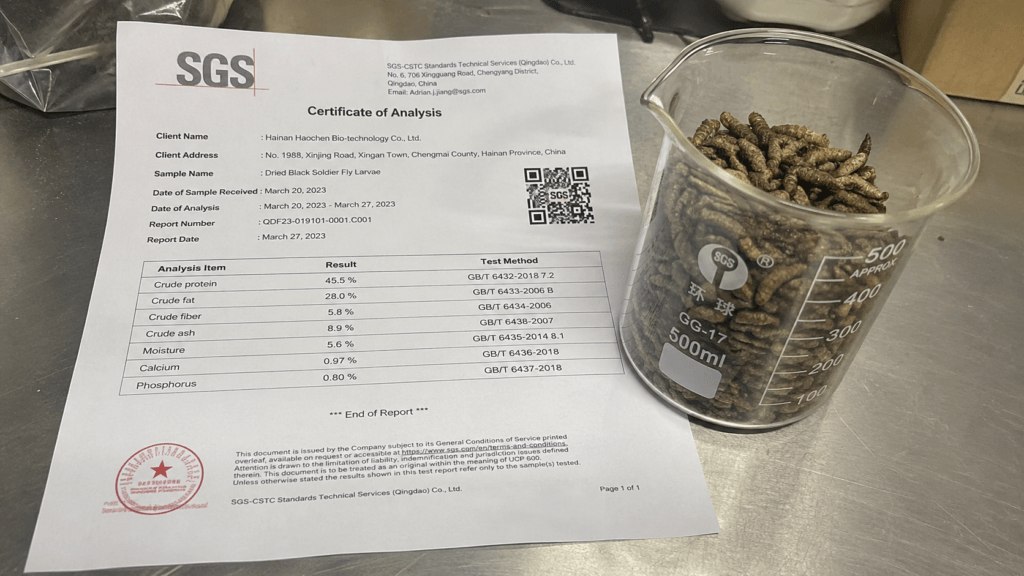
When reviewing a COA from a prospective Bulk Black Soldier Fly Larvae (BSFL) supplier, the most prominently displayed metric is the Crude Protein percentage. However, in advanced commercial nutrition, crude data is fundamentally insufficient. The true biological value of insect biomass relies entirely on amino acid bioavailability. Unfortunately, many low-tier suppliers achieve high crude protein readings on paper while delivering heat-damaged ingredients that offer zero nutritional value to the livestock.
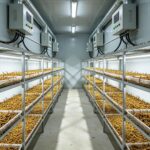
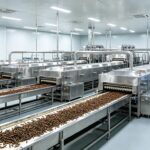
This critical discrepancy originates from the factory’s dehydration methodology. Unverified suppliers frequently utilize outdated thermal oven-roasting or open-air sun-drying. Prolonged exposure to intense external heat inevitably triggers a severe Maillard reaction, a chemical process that irreversibly binds heat-sensitive essential amino acids to reducing sugars. When commercial fish or poultry consume this heat-damaged feed, their digestive systems fail to metabolize the biologically locked proteins. This severely compromised digestibility leads directly to an inferior Feed Conversion Ratio (FCR) on the farm. To correct stunted livestock growth, formulators are forced to inject expensive synthetic amino acids into the diet, erasing all procurement savings. A premium Bulk Black Soldier Fly Larvae (BSFL) supplier bypasses this thermal degradation entirely by utilizing advanced industrial microwave dehydration, ensuring that the high protein content listed on the COA remains fully intact and highly digestible.
Microbiological Safety and Heavy Metal Limits
Beyond protein metrics, the COA serves as the primary legal defense against catastrophic cargo seizures during international customs clearance. When a commercial buyer imports massive FCL shipments, border authorities aggressively scrutinize the microbiological and chemical purity of the cargo. A reliable Bulk Black Soldier Fly Larvae (BSFL) supplier must provide an independent COA—preferably validated by a globally recognized auditor like SGS—that explicitly details heavy metal concentrations and pathogen screens.
According to strict agricultural import protocols enforced by bodies such as the European Food Safety Authority (EFSA), insect biomass must not bioaccumulate dangerous levels of Arsenic, Cadmium, Lead, or Mercury. If an unverified broker sources larvae reared on contaminated industrial waste, these toxins will inevitably spike on the COA, leading to immediate mandatory cargo incineration at the destination port. Furthermore, the microbiological section of the COA must show absolute negative results for Salmonella, E. coli, and Enterobacteriaceae to guarantee the biological safety of the commercial feed mill.
Moisture Content and Logistical Stability
The final critical metric to analyze on a COA from any Bulk Black Soldier Fly Larvae (BSFL) supplier is the internal moisture percentage. While high moisture content artificially inflates the total cargo weight—forcing the buyer to pay for trapped water—the primary threat is severe logistical instability during international ocean transit. High-volume insect biomass retains dangerous levels of hidden internal moisture if processed using slow thermal techniques.
During a standard 30- to 40-day FCL shipment under CIF or FOB terms, fluctuating global temperatures cause this trapped moisture to evaporate and rapidly condense on the cold steel ceiling of the maritime container. This trapped humidity triggers massive aflatoxin proliferation. To systematically eliminate this sanitary risk, a technologically advanced manufacturer utilizes volumetric microwave heating. Just as this exact precision is required when stabilizing premium Wholesale Dried Crickets, microwave dehydration guarantees an internal moisture content strictly below the ≤5% moisture threshold. This sub-5% exactitude, clearly documented on the COA, acts as an impenetrable biological barrier, preventing container rain and securing an 18-month shelf life without artificial chemical preservatives.
Ultimately, smart international procurement requires demanding total technological transparency. Feed mills should never execute FCL contracts based on unverified in-house paperwork. By demanding an SGS-certified COA and utilizing a strategic 1000kg Minimum Order Quantity (MOQ) pilot batch, commercial formulators can physically validate the delivery capabilities of a Bulk Black Soldier Fly Larvae (BSFL) supplier on their own extrusion lines, securing a highly profitable and stable global supply chain.
Looking for a reliable manufacturing partner? BulkInsects is a verified Bulk Black Soldier Fly Larvae (BSFL) supplier utilizing advanced microwave dehydration technology to deliver premium insect ingredients with transparent SGS documentation. Start your market test with our 1000kg MOQ. Contact us today for CIF pricing and free samples.