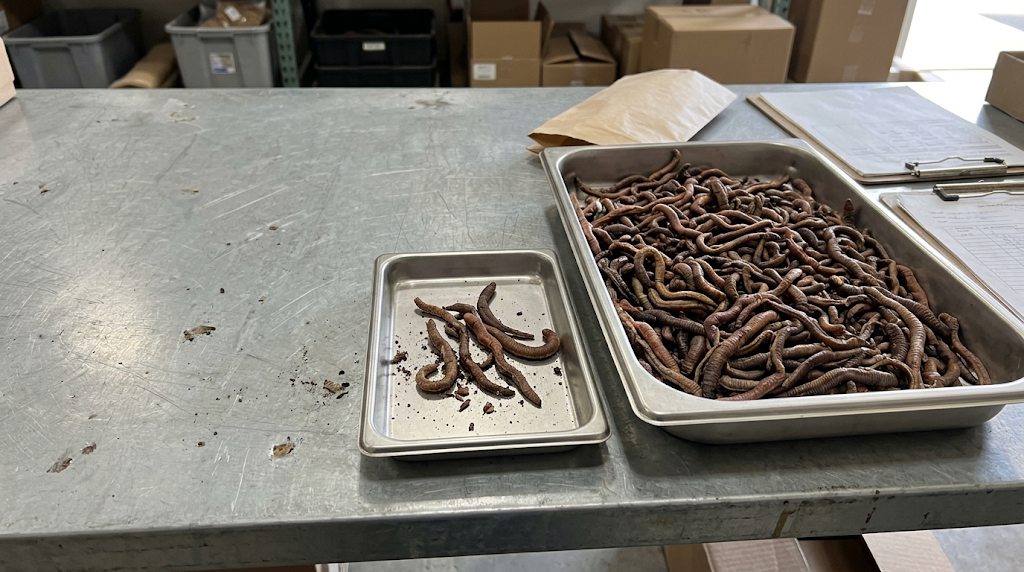

Dried earthworm cleaning is an important quality consideration for commercial buyers sourcing whole dried earthworms for permitted animal feed and related applications. Because earthworms naturally live and feed within soil or other organic substrates, harvested material may contain attached particles, residual substrate, and other unwanted matter. Appropriate cleaning and inspection procedures help reduce these materials and support more consistent product presentation.
For wholesalers, importers, and feed ingredient buyers, the main concern is not simply whether dried earthworms look clean. Buyers need to understand how cleaning is performed, what types of residue may remain, and how suppliers verify the condition of finished batches. Clear specifications, representative samples, and appropriate testing are essential for establishing practical acceptance requirements before commercial shipments.
1. Why Cleaning Matters for Whole Dried Earthworms
Earthworms differ from many other commercially dried insects because their normal environment involves direct contact with soil or organic growing substrates. During harvesting, particles may adhere to the body surface, become trapped between insects, or remain within the digestive tract. These materials can affect the appearance, cleanliness, and consistency of finished products, particularly when earthworms are supplied as recognizable whole dried insects.
Cleaning requirements should distinguish between external contamination and internal gut contents. Surface washing or mechanical separation may reduce attached soil and loose substrate, but it does not automatically establish that material inside the digestive tract has been removed. Pre-processing holding or purging procedures may be used in some production systems, although their effectiveness depends on the species, substrate, operating conditions, and validated process. Buyers should request specific information rather than assuming that every supplier follows the same procedure.
Cleaning is also different from establishing product safety. Soil and organic substrates may introduce microbiological, chemical, or physical hazards that cannot always be identified through visual inspection. The relevant risks depend on the production environment, substrate history, processing conditions, and intended use. Commercial acceptance should therefore combine physical cleanliness requirements with appropriate testing and destination-market compliance considerations.
2. Soil Removal and Cleaning Methods
Dried earthworm cleaning typically begins before the final drying stage. Depending on the production system, harvested earthworms may undergo separation from the growing substrate, removal of loose debris, controlled washing, and other preparation steps. The objective is to reduce unwanted external material while preserving the recognizable whole-insect form. The specific sequence varies between suppliers and should be confirmed through their documented processing procedures.
Mechanical separation can remove larger substrate particles, while suitable washing procedures may help reduce soil adhering to the body surface. However, cleaning effectiveness depends on factors such as particle size, soil characteristics, equipment design, water quality, and handling conditions. Excessive mechanical agitation may damage the insects, while inadequate cleaning may leave visible residue. Buyers should evaluate both cleanliness and whole-body integrity rather than treating either characteristic as an isolated quality requirement.
Following any wet cleaning operation, moisture control becomes especially important. The product must undergo an appropriate drying process, and the finished material should meet the agreed moisture specification. A clean-looking surface does not confirm adequate drying or microbiological safety. Suppliers should be able to explain how their process manages contamination risks, prevents recontamination after cleaning, and maintains batch identification through drying, sorting, and packaging.
3. How to Inspect Soil Residue and Foreign Matter
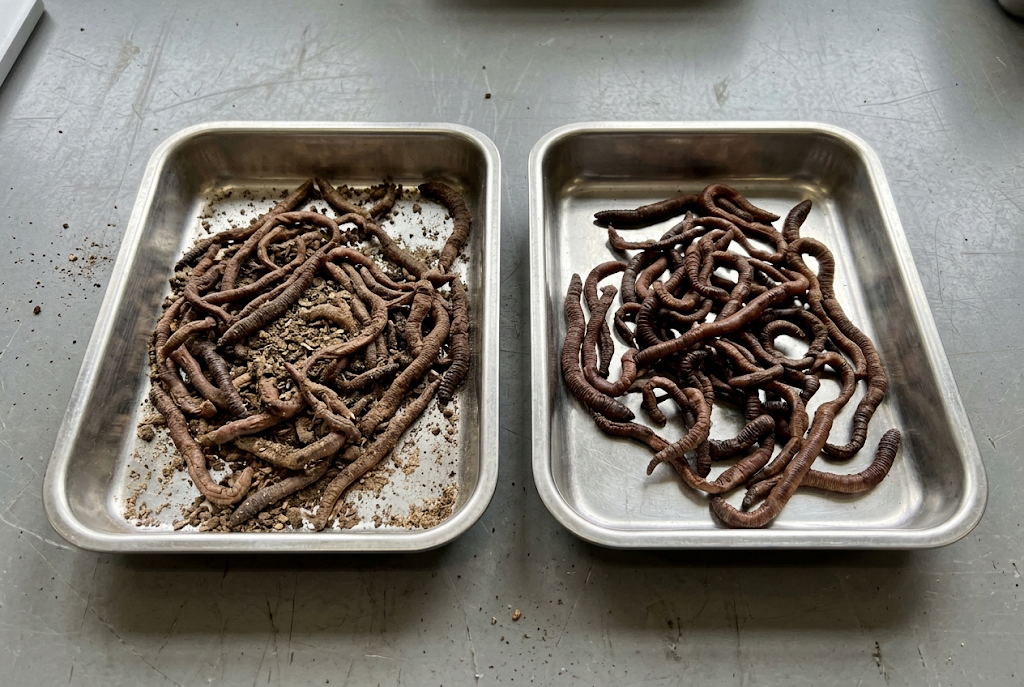
Inspection of whole dried earthworms should begin with a representative sample placed on a clean, contrasting inspection surface. Buyers can examine the insects for visible soil particles, sand, stones, loose substrate, and other unwanted material. Gently separating individual insects may reveal debris trapped between bodies or accumulated at the bottom of the sample container. Inspection conditions should remain consistent across suppliers and batches to support meaningful comparisons.
A practical assessment should distinguish attached surface residue, loose foreign material, and normal insect fragments. These categories are not interchangeable. Broken earthworm pieces are product material, whereas stones, plastic fragments, and unrelated debris are foreign matter. Where a purchasing specification requires measurement, the buyer and supplier should agree on the classification rules, sample size, separation method, and reporting basis before testing. Visual cleanliness descriptions alone are not sufficient for a measurable acceptance decision.
For example, an agreed inspection procedure may require the collection and weighing of separable foreign matter from a defined sample. The result can be expressed as a percentage of the original sample weight, provided the method is consistently applied. However, this approach does not measure all material that may remain inside the digestive tract, and it cannot identify invisible contaminants. Buyers should avoid interpreting a low visible foreign matter result as proof that all soil-related risks have been eliminated.
4. Batch Testing and Supporting Documentation
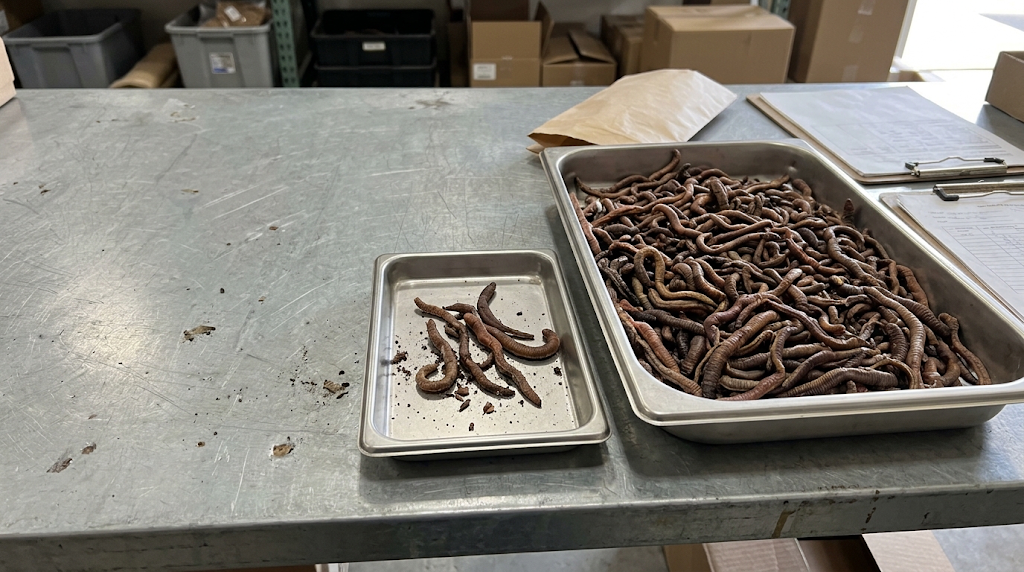
A reliable batch assessment requires more than photographs of cleaned products. Buyers should request information about the cleaning process, production lot identification, drying conditions, and inspection procedures used for the finished material. An approved reference sample can help establish the expected appearance and cleanliness of future shipments, but it should be supported by written acceptance criteria rather than serving as the only basis for a purchasing decision.
Depending on the product’s intended use and the risks associated with the production substrate, relevant testing may include moisture, microbiological parameters, heavy metals, or other contaminants. The required testing program should reflect applicable regulations, customer specifications, and a documented risk assessment. Testing for physical foreign matter may also be appropriate when included in the agreed specification. No single laboratory result should be interpreted as confirming every aspect of cleaning effectiveness.
A Certificate of Analysis (COA) should identify the relevant batch, reported parameters, methods where available, units, and results. Buyers should verify whether the report covers the delivered material and whether its scope matches the purchasing requirements. A general nutritional analysis does not establish the absence of soil residue, while a clean visual inspection does not replace microbiological or chemical testing. These forms of evidence address different aspects of product quality.
5. Practical Considerations for B2B Buyers
Before purchasing whole dried earthworms in bulk, buyers should confirm the supplier’s cleaning and inspection procedures. Important questions include how harvested earthworms are separated from the substrate, whether washing or other cleaning steps are used, how residual material is assessed, and what measures prevent recontamination. Buyers should also request representative finished-product samples rather than relying exclusively on photographs taken during processing.
The purchasing specification should define acceptable physical cleanliness, foreign matter categories, moisture requirements, whole-body integrity, and any applicable laboratory testing. If a numerical foreign matter limit is required, both parties should agree on the sampling method and measurement basis. Buyers should also clarify whether the proposed limits apply before shipment, upon arrival, or at another specified inspection point. These details are especially important when comparing suppliers with different cleaning systems.
For repeat orders, buyers should establish a consistent documentation and acceptance process. Batch photographs, inspection records, packaging information, and relevant test reports can support traceability and reduce disputes. The agreement should explain how questionable material will be handled, including additional sampling, retesting, corrective action, or rejection where justified. A clearly documented process is generally more reliable than broad supplier claims such as completely clean or free from all impurities.
6. Frequently Asked Questions
Why is soil removal important for dried earthworms?
Earthworms naturally contact soil or organic substrates during production. Removing unwanted material can improve physical cleanliness, product presentation, and consistency. However, soil removal alone does not establish microbiological or chemical safety.
Can washing remove all soil from earthworms?
Washing may reduce soil and substrate particles attached to the surface, but it cannot automatically establish that internal gut contents or all contaminants have been removed. Cleaning effectiveness depends on the process and should be supported by appropriate inspection and testing.
How should buyers measure foreign matter in dried earthworms?
Buyers can use an agreed sampling and separation method to identify and weigh visible foreign matter. The specification should define which materials are included, how results are calculated, and what acceptance limits apply. Visual inspection cannot detect every potential contaminant.
What documents should buyers request before ordering?
Useful evidence may include product specifications, representative samples, batch identification, cleaning process information, inspection records, moisture results, and relevant laboratory reports. Documentation requirements should reflect the intended application and destination market.
7. Conclusion
Dried earthworm cleaning plays an important role in the commercial evaluation of whole dried earthworms. Effective purchasing decisions require an understanding of soil removal procedures, visible residue, foreign matter, moisture control, and the limitations of physical inspection. A product that appears clean should not automatically be considered free from internal residues or other potential contaminants.
For international buyers, the most reliable approach is to establish clear specifications, review representative samples, and request appropriate batch documentation. Consistent inspection methods and agreed acceptance criteria can improve supplier comparisons, reduce misunderstandings, and support more predictable purchasing outcomes.
BulkInsects supports B2B sourcing of whole dried insects through product information, sample coordination, and available batch documentation. To discuss dried earthworm specifications, cleaning requirements, estimated order quantities, and destination markets, contact BulkInsects for a bulk quotation.