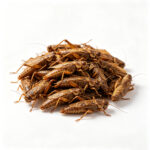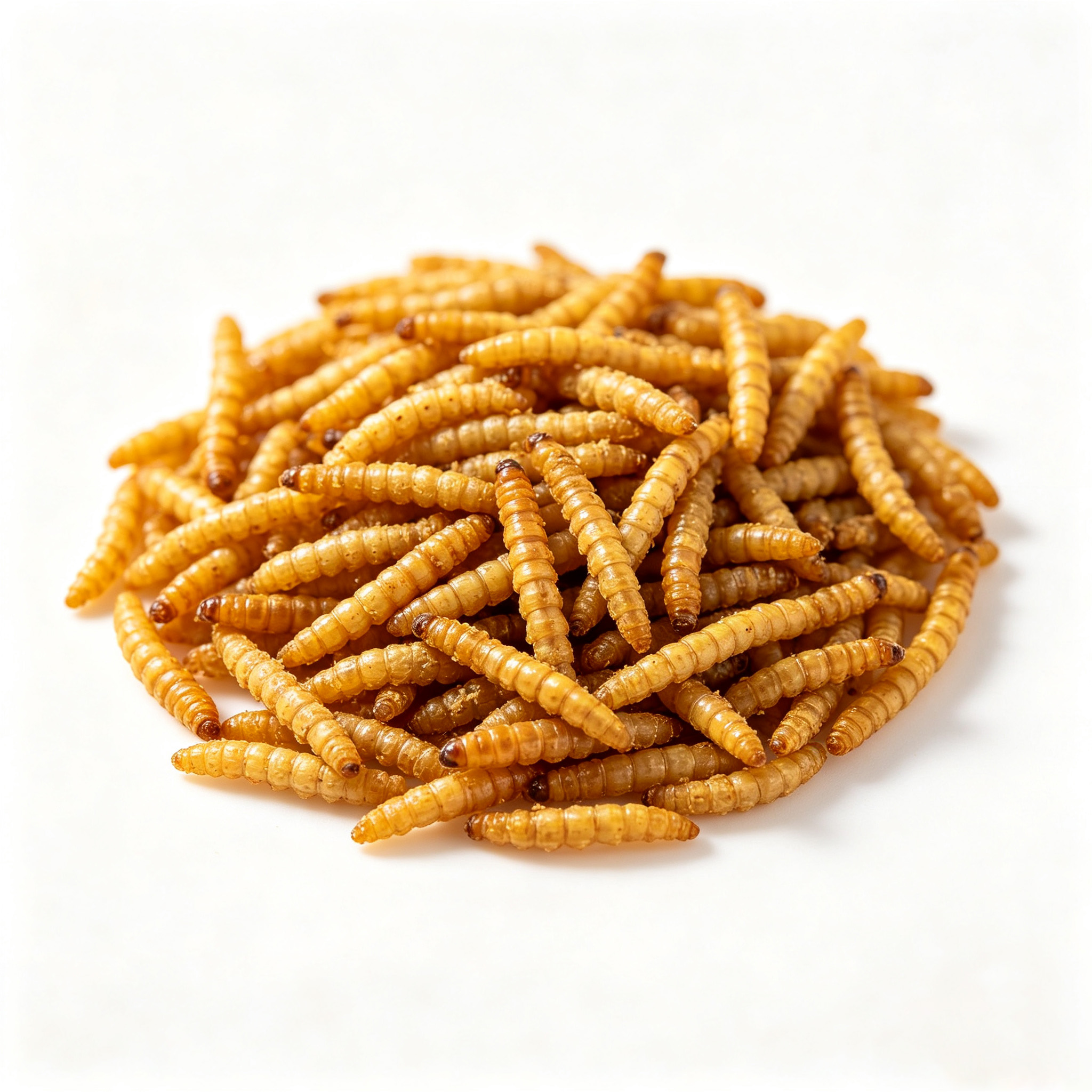

To successfully Import Dried Mealworms to USA and EU, B2B procurement managers and international feed formulators must navigate a highly complex and strictly enforced regulatory landscape. As the global agricultural sector rapidly pivots toward sustainable alternative proteins, premium mealworm protein has emerged as a dominant, high-performance ingredient for aquaculture, poultry, and specialized pet food formulations. Mealworms are highly valued not only for their impressive amino acid profile but also for their beneficial fatty acids and immune-stimulating chitin. However, for large-scale commercial buyers negotiating massive Full Container Load (FCL) contracts, the physical distance between the overseas source factory and the destination warehouse introduces severe operational and compliance risks. The international trade of insect-based agricultural commodities is heavily scrutinized by health departments and border control authorities. A major pain point for procurement directors is the constant, looming threat of cargo rejection due to biological instability, microbial contamination, or incomplete export documentation. Understanding the systemic sanitary requirements and the underlying processing technology is the first crucial step in establishing a highly resilient global supply chain and protecting your multi-million dollar procurement budget.
FDA and TRACES Compliance to Import Dried Mealworms to USA and EU
The most devastating commercial risk for international bulk buyers is the immediate seizure of cargo at the destination port. Both the European Union and the United States have established incredibly rigid protocols to prevent the introduction of foreign pathogens and environmental contaminants. In the United States, the Food and Drug Administration (FDA) operates under the Food Safety Modernization Act (FSMA), which places the burden of proof on the importer to verify that their foreign supplier implements stringent preventative controls. The USDA Animal and Plant Health Inspection Service (APHIS) further demands flawless traceability and pristine sanitary conditions for all imported animal by-products. Similarly, the European Union’s Trade Control and Expert System (TRACES) requires the source factory to be officially registered, audited, and approved by local customs authorities. If the commercial invoice, the packing list, and the veterinary health certificate do not perfectly align with the rigorous standards of these regulatory bodies, the shipment will be stalled indefinitely, accruing astronomical port demurrage fees. Before attempting to Import Dried Mealworms to USA and EU, purchasing managers must conduct a deep technical audit of their manufacturing partner to ensure they possess the industrial infrastructure necessary to consistently meet these exacting international standards.
A primary reason shipping containers fail these stringent FDA and EU inspections is biological instability caused directly by outdated manufacturing methods. Mealworms naturally possess an exceptionally high lipid and moisture profile. Traditional processing methods, such as cheap thermal roasting or open-air sun-drying, create incredibly uneven moisture distribution across the commercial batch. This outdated approach heavily skews the Crude Protein metrics on a dry-matter basis and invites severe microbial contamination. During a standard 30-to-40-day ocean transit under CIF or FOB shipping terms, extreme temperature fluctuations inside the shipping container cause severe condensation, widely known in the logistics sector as “container rain.” This trapped moisture leads directly to the rapid proliferation of Salmonella, E. coli, and highly toxic aflatoxins. When customs officers sample the cargo and discover these dangerous pathogens, the entire container is either seized or outright destroyed at the buyer’s expense, completely ruining the buyer’s overall Return on Investment (ROI) and severely disrupting downstream feed formulation schedules across their entire production network.
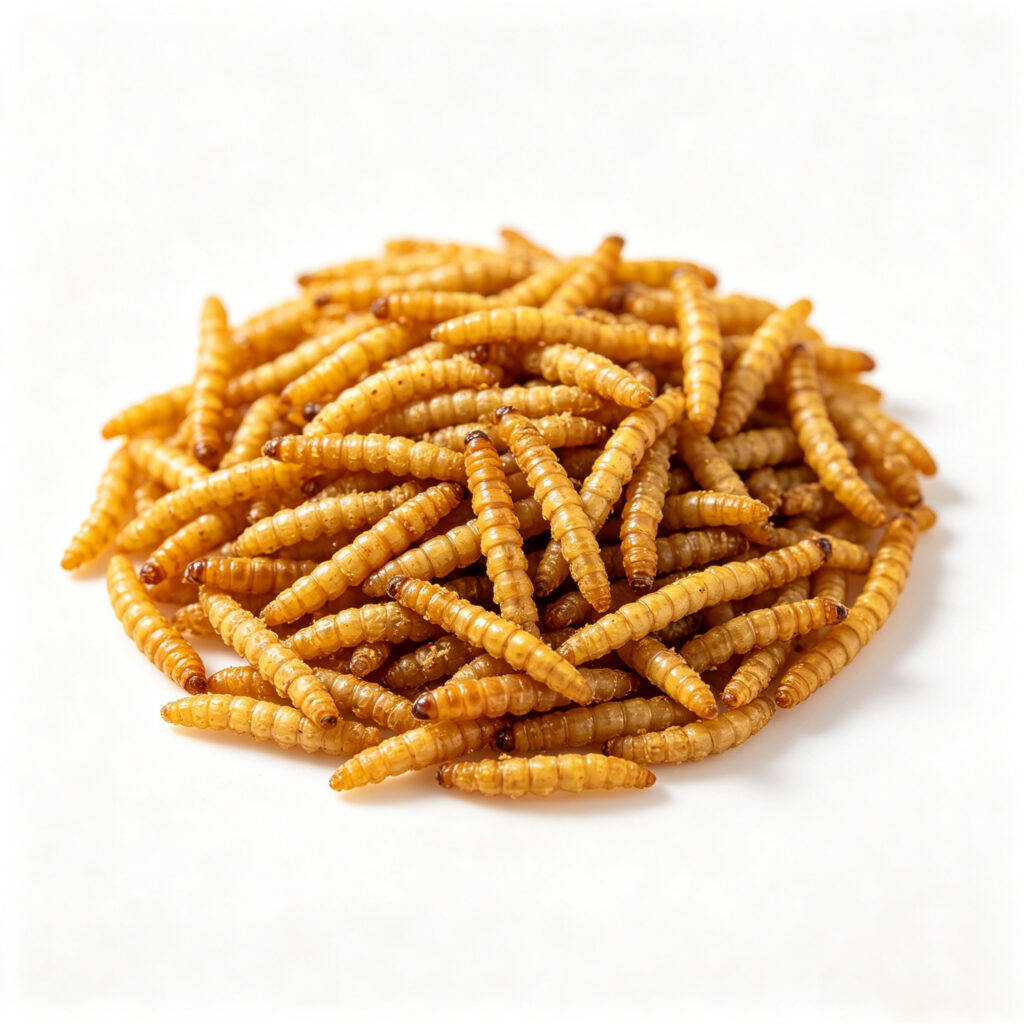
To systematically eliminate these critical sanitary risks and guarantee absolute regulatory compliance, industry-leading source factories have completely transitioned to advanced microwave dehydration technology. This industrial-grade processing utilizes precise volumetric electromagnetic waves to evaporate internal moisture almost instantaneously, rather than relying on slow heat penetration from the outside in. This high-tech process ensures a highly uniform moisture content strictly below the critical 5% threshold. This exactitude acts as a powerful industrial sterilization phase, effectively extending the ingredient’s shelf life up to 18 months without the need for expensive, climate-controlled warehousing. Furthermore, a technologically advanced source factory leverages this volumetric heating process to explicitly prevent the Maillard reaction. By entirely avoiding prolonged thermal baking and extreme heat stress, the microwave process perfectly preserves the heat-sensitive essential amino acids—particularly lysine and methionine. It also protects the delicate lipid profiles from early oxidation, explicitly preventing the rancidity issues that plague hot-air dried batches. By protecting these vital nutrients, the factory ensures the high Crude Protein levels stated on the COA translate directly into high bioavailability, thereby maintaining an optimal Feed Conversion Ratio (FCR) in commercial livestock diets.
Ultimately, successfully executing a strategic plan to Import Dried Mealworms to USA and EU requires partnering with a manufacturer that prioritizes total technological transparency and verifiable quality control. Buyers must look far beyond the initial price per metric ton and demand rigorous third-party certifications before transferring any funds. This uncompromising vetting process includes demanding heavy metal testing reports, comprehensive microbiological screenings, and a verifiable Certificate of Analysis (COA) for every single batch prior to loading onto the vessel. By securing a supplier backed by full SGS certification, international feed formulators receive absolute, undeniable proof that the physical cargo exactly matches the contractual specifications. This strategic B2B procurement approach completely removes commercial friction, empowering buyers to aggressively scale their operations with total confidence, fully knowing their bulk feed ingredients are nutritionally uncompromised, structurally perfect, and completely compliant with international customs regulations.
Looking for a Reliable Supplier? BulkInsects utilizes advanced microwave dehydration technology to ensure premium quality. Fully SGS certified with COA provided per batch. Start your market test with our 1000kg MOQ. Contact us today for CIF pricing and free samples.