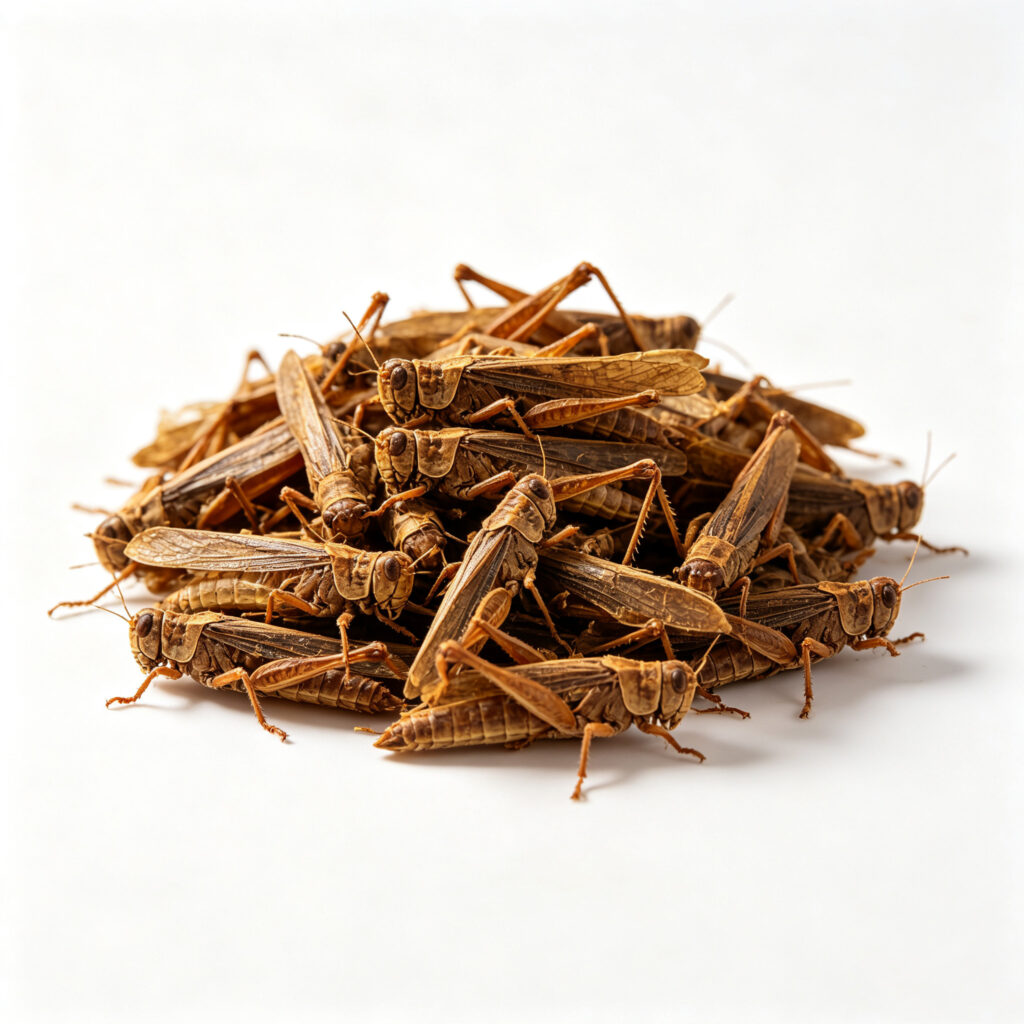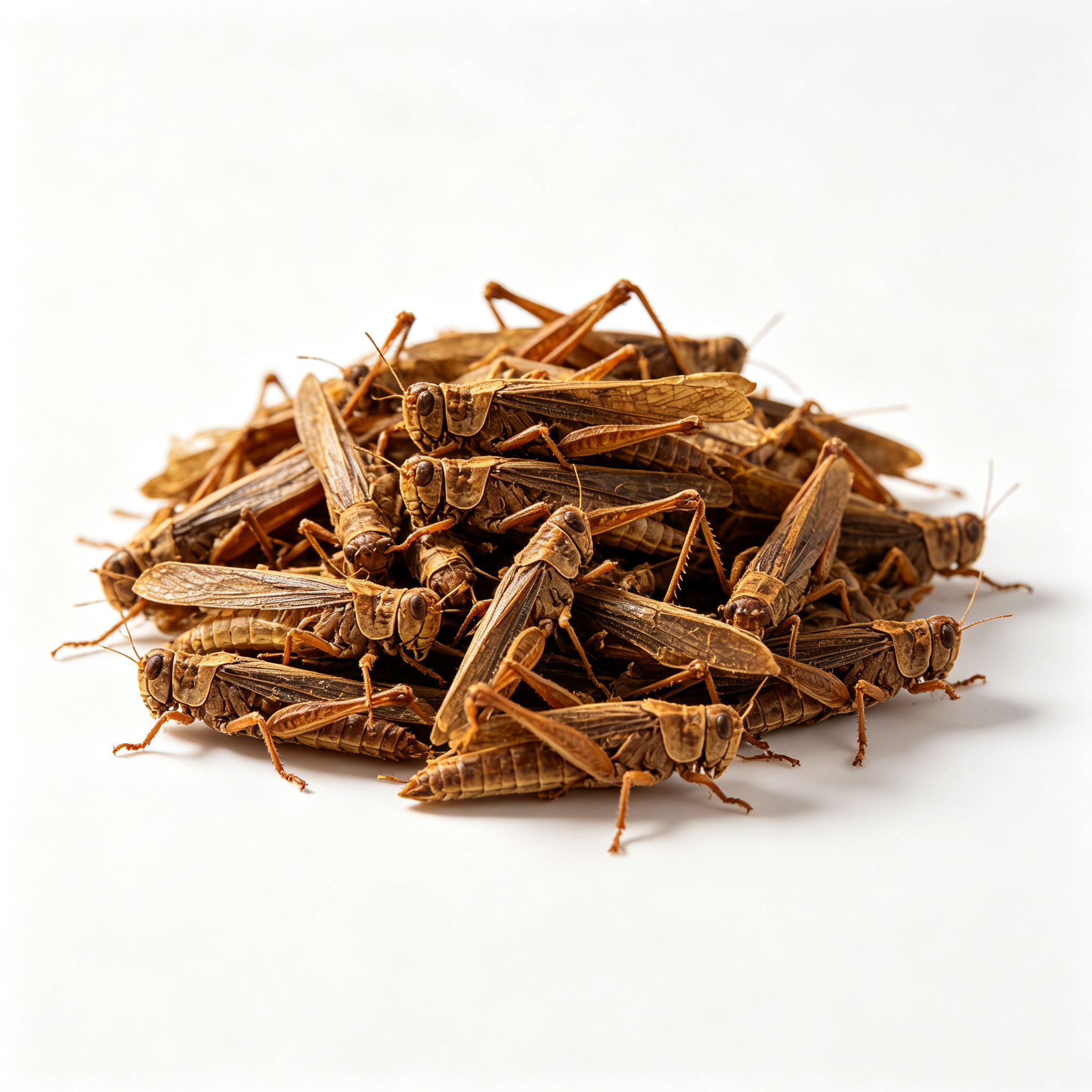

In the highly regulated ecosystem of international agricultural trade, absolute biological safety is the foundation of every successful B2B procurement strategy. As commercial aquaculture and premium poultry feed brands transition toward sustainable insect proteins, securing a reliable supply of Wholesale Dried Crickets has become a massive global enterprise. However, purchasing alternative proteins across different continents introduces severe regulatory and logistical vulnerabilities. European and North American procurement managers are constantly battling the strict import protocols enforced by regulatory bodies like the FDA and the EU’s TRACES system. Navigating these bureaucratic hurdles requires far more than verbal promises from a factory; it requires undeniable, third-party documented proof. Understanding exactly how SGS certification mitigates these critical supply chain risks is the single most important step for feed formulators looking to safely import high-density ingredients without exposing their company to catastrophic financial liabilities.
Uncertified Wholesale Dried Crickets and Logistics Liabilities
The most devastating commercial risk in global bulk procurement is investing in agricultural commodities that lack independent scientific validation. When an international purchasing director signs a Full Container Load (FCL) contract for Wholesale Dried Crickets based solely on the supplier’s internal claims, they are taking a massive blind gamble with their corporate budget. The fundamental danger lies in the factory’s dehydration methodology. Crickets possess a high natural lipid and moisture profile. If an unverified, low-tier factory utilizes cheap thermal oven-roasting or open-air sun-drying, the resulting commercial batch will suffer from highly uneven internal moisture distribution.
Without rigorous third-party testing, a factory might issue a self-made Certificate of Analysis (COA) claiming acceptable moisture levels, while the actual insects harbor hidden residual water deep within their cellular structures. When these inconsistently dried commodities are packed into bulk bags and loaded onto a maritime vessel, the extreme temperature fluctuations across different global climate zones trigger severe internal condensation. This deadly logistical phenomenon, known across the supply chain as container rain, directly activates the hidden moisture. During a standard 30-to-40-day ocean transit, the cargo transforms into an active biological breeding ground for Salmonella, E. coli, and highly toxic aflatoxins.
When the shipment finally arrives at the destination port, customs authorities will conduct their own mandatory sanitary sweeps. If they detect elevated microbial loads or excessive heavy metals—often caused by poor feedstock management at uncertified rearing facilities—the entire shipment of Wholesale Dried Crickets is immediately condemned. The buyer is then forced to absorb a 100% financial loss, astronomical port demurrage fees, and severe disruptions to their downstream feed extrusion schedules.
Securing FCR and ROI with SGS and Microwave Technology
To systematically eliminate these devastating blind spots and guarantee absolute regulatory compliance, industry-leading manufacturers have completely integrated SGS certification into their standard operating procedures. SGS is the world’s leading inspection, verification, testing, and certification company. When a supplier offers SGS-backed Wholesale Dried Crickets, they are providing independent, scientifically validated proof that the physical cargo exactly matches the contractual specifications before it ever crosses the ship’s rail.
A premium, SGS-certified manufacturer will pass these rigid inspections because they utilize state-of-the-art volumetric heating. Advanced microwave dehydration technology generates heat directly from the water molecules within the insect, ensuring rapid, highly uniform evaporation from the inside out. This allows the factory to confidently guarantee a ≤5% moisture content. When SGS inspectors sample the batch and verify this sub-5% threshold, international buyers receive absolute peace of mind. This exactitude acts as a powerful industrial sterilization phase, completely preventing container rain and extending the ingredient’s shelf life up to 18 months.
Furthermore, SGS certification validates the nutritional density required for commercial feed formulations. Because the rapid microwave process explicitly prevents the Maillard reaction, heat-sensitive essential amino acids—particularly lysine and methionine—remain perfectly intact. SGS laboratory reports consistently verify that microwave-processed Wholesale Dried Crickets retain an impressive Crude Protein level frequently exceeding 60%. By securing a globally recognized COA that verifies this exact nutritional profile, commercial formulators can completely rely on the ingredient to deliver an optimal Feed Conversion Ratio (FCR) on the farm, eliminating the need for expensive synthetic protein supplementation.
Ultimately, international B2B procurement is an exercise in comprehensive risk management. Smart buyers leverage a 1000kg MOQ trial batch backed by full SGS documentation to safely test a new supplier’s biological performance and supply chain logistics. By demanding verifiable third-party certification and partnering with a technologically advanced factory, procurement directors completely remove commercial friction, empowering them to aggressively scale their high-performance feed operations with total confidence.
Looking for a Reliable Supplier? BulkInsects utilizes advanced microwave dehydration technology to ensure premium quality. Fully SGS certified with COA provided per batch. Start your market test with our 1000kg MOQ. Contact us today for CIF pricing and free samples.