
Commercial aquaculture and specialty pet food formulators in Western markets are aggressively integrating non-traditional invertebrate proteins to replace fluctuating marine fishmeal. When corporate buyers choose to Import Dried Earthworms to USA and EU, they acquire a raw material naturally dense in lysine, methionine, and bioactive enzymes. However, establishing a compliant international supply line to Import Dried Earthworms to USA and EU requires navigating some of the most rigorous biosecurity controls in the global agricultural trade. Regulatory bodies enforce strict sanitary barriers to prevent the introduction of foreign pathogens, soil-borne contaminants, and heavy metals. For B2B procurement directors negotiating Full Container Load (FCL) consignments under CIF or FOB terms, a deep operational understanding of cross-border veterinary protocols—specifically the European Union’s Trade Control and Expert System (TRACES)—is critical to prevent disastrous port rejections, cargo destruction orders, and severe demurrage penalties.
Navigating TRACES-NT and Veterinary Border Formalities
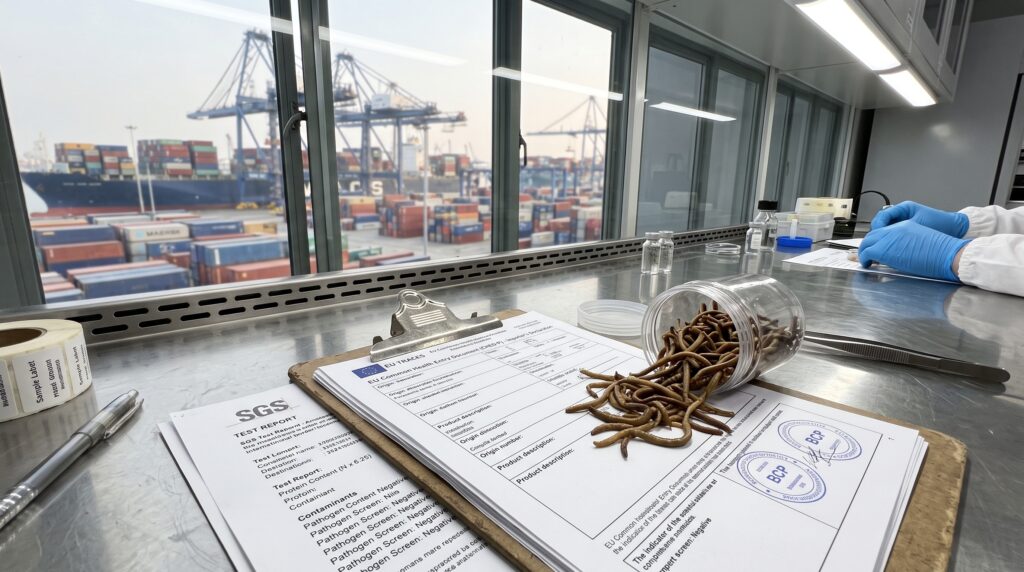
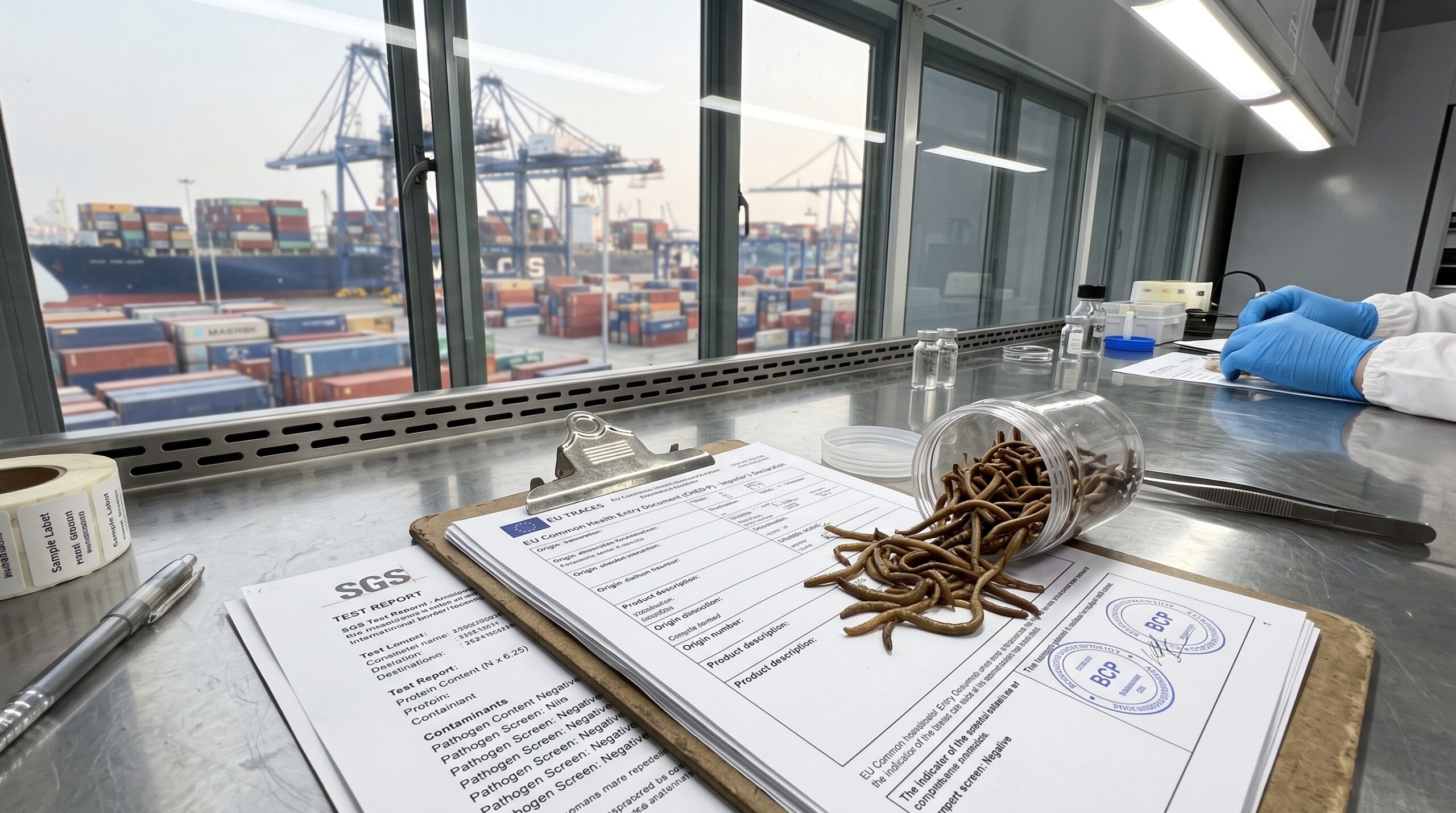
Importing animal by-products (ABPs) into the European single market requires strict adherence to Commission Regulation standards. Every commercial consignment destined to Import Dried Earthworms to USA and EU must be registered through the official European Commission TRACES-NT platform prior to physical arrival at a designated Border Control Post (BCP). This digital declaration generates a validated Common Health Entry Document (CHED-P), which serves as the electronic passport for animal-origin commodities.
Customs clearance at EU ports hinges entirely on the integrity of the accompanying documentation. Border veterinarians cross-reference the digital CHED-P with the original hard-copy Veterinary Health Certificate issued by the exporting country’s competent authority. The paperwork must confirm that the insect biomass was reared in an officially listed, audited facility and processed using validated sterilization protocols capable of neutralizing endospores and viral vectors. If an unverified agricultural broker sources biomass from fragmented, unregistered family farms, the paperwork inevitably collapses under scrutiny. Discrepancies between the physical shipment and the TRACES manifest trigger immediate containment at the port terminal, accumulating daily detention fees before authorities mandate return shipment or outright incineration at the importer’s expense when they seek to Import Dried Earthworms to USA and EU.
Eliminating Pathogen Hazards with Industrial Microwave Processing
Beyond documentary verification, physical laboratory checks at EU and US borders focus heavily on microbiological purity. Border authorities take representative samples from FCL shipments to test for Salmonella, Enterobacteriaceae, and mycotoxins. Sourcing from processors that rely on traditional sun-drying or low-temperature oven-roasting introduces massive biological liabilities. These slow-drying techniques fail to achieve core thermal pasteurization, leaving latent spores embedded within the dense, lipid-rich biomass. During long maritime voyages, humidity variations inside standard ocean containers cause localized condensation, allowing bacteria to multiply rapidly.
To successfully Import Dried Earthworms to USA and EU without sanitary non-compliance, primary manufacturers deploy advanced industrial microwave dehydration technology. Microwave systems generate instantaneous volumetric heating by exciting water molecules throughout the biological tissue simultaneously. This rapid internal evaporation completely bypasses the prolonged thermal stress that causes amino acid binding, while delivering thorough biological pasteurization. The process ensures an internal moisture level maintained strictly below the ≤5% moisture threshold.
This sub-5% limit halts enzymatic activity, prevents lipid rancidity, and deprives pathogenic microbes of the free water required for proliferation. Similar to the processing benchmarks mandated when procuring export-grade Bulk Black Soldier Fly Larvae (BSFL), industrial microwave drying preserves structural integrity, preventing biomass from crumbling into fine dust during mechanical bulk handling and automated feed mill extrusion.
Strategic Procurement and Risk Mitigation for Importers
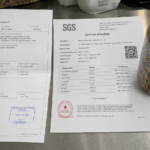
Executing a dependable program to Import Dried Earthworms to USA and EU requires total supply chain transparency. Tier-one animal feed formulators systematically de-risk their international supply lines by demanding batch-specific Certificates of Analysis (COAs) validated by independent inspection bodies such as SGS. These analytical reports confirm compliance regarding heavy metal tolerances—specifically Arsenic, Cadmium, Lead, and Mercury—alongside absolute negative screens for aflatoxins and salmonella.
Furthermore, prudent procurement teams avoid committing to multi-container contracts without empirical validation. Utilizing a structured 1000kg Minimum Order Quantity (MOQ) pilot shipment enables technical teams to evaluate real-world transit stability, test the material on extrusion lines, and verify that the supplier’s export documentation routes cleanly through local TRACES or US FDA/USDA clearance systems. By partnering directly with a technologically verified primary producer, B2B importers eliminate broker markups, ensure regulatory compliance, and secure stable protein inputs for their commercial operations.
Looking for a reliable manufacturing partner? BulkInsects uses advanced microwave dehydration technology to deliver premium insect ingredients with full export compliance and SGS documentation. Start your market test with our 1000kg MOQ. Contact us today for CIF pricing and free samples.