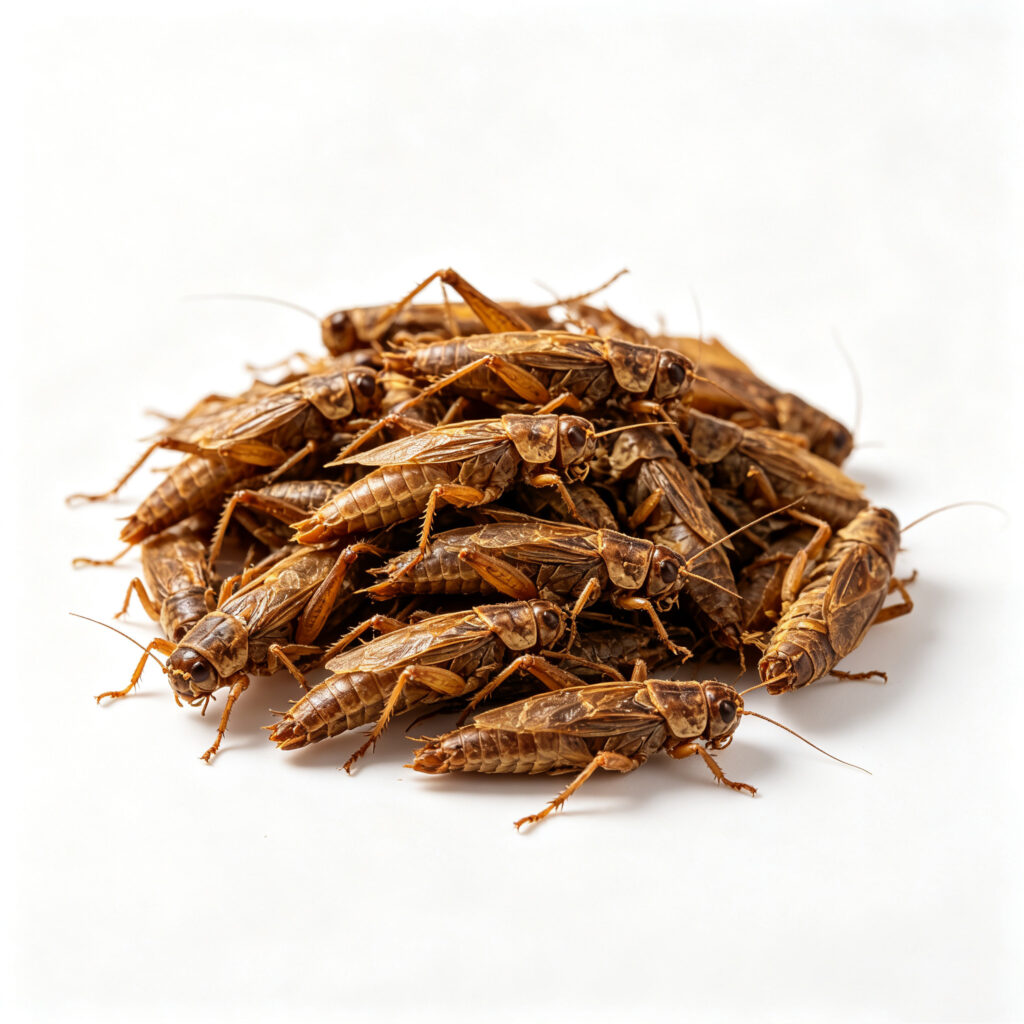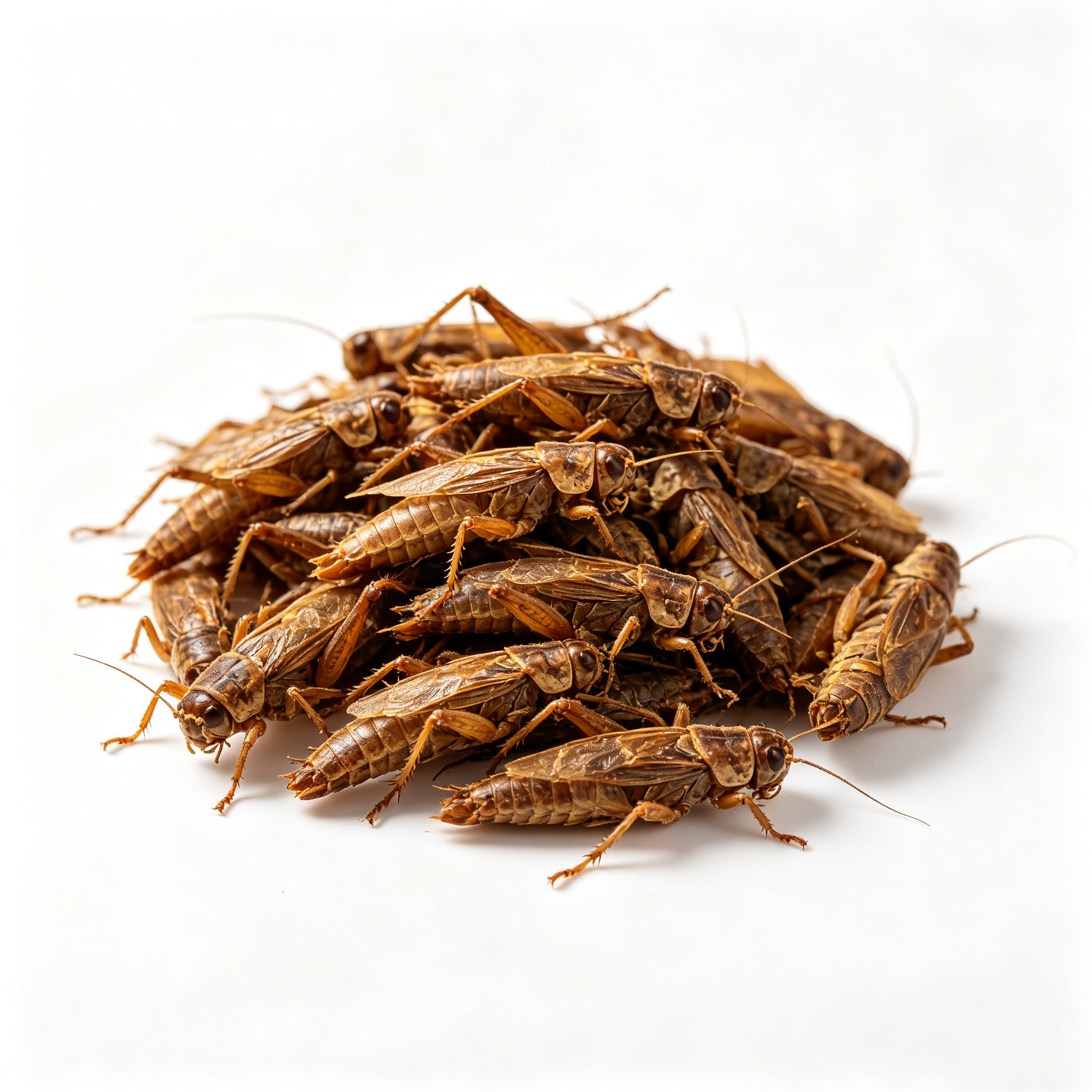

In the volatile landscape of global agricultural commodities, stabilizing the supply chain is the ultimate mandate for B2B procurement directors. As commercial aquaculture and premium poultry feed formulators aggressively transition toward sustainable insect proteins, securing a highly reliable supply of Wholesale Dried Grasshoppers has become a strategic global priority. Grasshoppers are biologically prized for their dense Crude Protein, exceptional essential amino acid profiles, and high levels of immune-boosting chitin. However, for international buyers negotiating massive Full Container Load (FCL) contracts, the physical distance between the overseas manufacturing facility and the destination feed mill introduces severe biochemical vulnerabilities. The ultimate metric of a successful international transaction is not just the FOB invoice price, but the ingredient’s biological stability over time. Achieving a certified 18-month shelf life without the use of artificial chemical preservatives requires absolute perfection in the factory’s dehydration methodology. Understanding the precise industrial mechanisms that prevent structural and nutritional decay is essential for protecting your procurement budget from catastrophic cargo losses.
The Threat of Lipid Oxidation in Wholesale Dried Grasshoppers
The most devastating commercial risk in global bulk procurement is hidden biochemical degradation that occurs long before the ingredient reaches the destination port. When actively auditing a potential manufacturing partner for Wholesale Dried Grasshoppers, procurement teams must heavily scrutinize the factory’s primary dehydration techniques. Traditional processing methods, such as cheap thermal oven-roasting or prolonged open-air sun-drying, are fundamentally flawed for high-performance B2B applications. Grasshoppers inherently possess a complex and highly valuable lipid profile. When low-tier factories expose the raw insects to extreme, prolonged external heat and atmospheric oxygen, they inevitably trigger severe lipid oxidation. This destructive chemical chain reaction rapidly breaks down the delicate fatty acids, causing the biomass to develop a highly offensive, rancid odor. When commercial feed manufacturers blindly incorporate these degraded fats into their extrusion lines, the final pellet becomes highly unpalatable to livestock, immediately destroying the Feed Conversion Ratio (FCR) on the farm.
Furthermore, these outdated thermal methods are notoriously inefficient at extracting water from the deep internal core of the insect. This frequently leaves the Wholesale Dried Grasshoppers with a dangerously high residual moisture content of 10% to 15%. When these inconsistently dried commodities are packed into woven bags and loaded into a sealed shipping container, the buyer is immediately exposed to the deadly logistics phenomenon known as container rain. During a standard 30-to-40-day ocean transit across multiple global climate zones, extreme temperature fluctuations cause the trapped internal moisture to evaporate and rapidly condense on the steel ceiling. This trapped humidity transforms the cargo into an active biological breeding ground for Salmonella, E. coli, and highly toxic aflatoxins, ensuring the shipment will be seized and destroyed by customs authorities upon arrival.
Microwave Tech Secures 18 Months for Wholesale Dried Grasshoppers
To systematically eliminate these severe biochemical and logistical risks, industry-leading manufacturers have completely transitioned to advanced microwave dehydration technology. This state-of-the-art industrial processing utilizes highly precise volumetric electromagnetic waves to generate heat directly from the water molecules within the grasshopper itself. This advanced volumetric heating causes rapid, highly uniform moisture evaporation from the inside out. By drastically cutting the total drying time down to a mere fraction of conventional thermal methods, the factory completely bypasses the thermal degradation zone. This lightning-fast process explicitly halts the oxidation of fats in its tracks, preserving the pristine lipid profile and ensuring the final Wholesale Dried Grasshoppers emit a fresh, highly palatable aroma for downstream feed formulations.
More importantly, this volumetric processing allows premium manufacturers to strictly guarantee a highly uniform internal moisture content strictly below the ≤5% moisture threshold. This sub-5% exactitude acts as an impenetrable biological barrier. It effectively sterilizes the ingredient, completely preventing container rain during international transit, and officially securing an incredibly stable 18-month shelf life under standard, non-climate-controlled warehouse conditions. Because the rapid microwave process also explicitly prevents the Maillard reaction, the heat-sensitive essential amino acids—particularly lysine and methionine—remain completely uncompromised. The Crude Protein remains highly digestible and completely bioavailable, allowing B2B formulators to maximize their FCR without relying on expensive synthetic amino acid supplements.
Ultimately, achieving a legitimate 18-month shelf life relies entirely on independent verification rather than factory promises. Smart international buyers demand absolute technological transparency from their suppliers. Securing full SGS certification provides undeniable scientific proof that the physical cargo matches the strict moisture and digestibility specifications required by the global feed industry. By aligning with a technologically advanced manufacturer that provides verifiable SGS documentation, procurement directors can confidently scale their sustainable protein supply chains with zero commercial friction.
Looking for a Reliable Supplier? BulkInsects utilizes advanced microwave dehydration technology to ensure premium quality. Fully SGS certified with COA provided per batch. Start your market test with our 1000kg MOQ. Contact us today for CIF pricing and free samples.