
Your original draft is actually quite good and clearly communicates your main points! However, to make it sound more natural and persuasive to a Western business audience (European and American B2B buyers), it benefits from more active phrasing, industry-standard business terminology, and improved formatting for better readability.
Here is the optimized, native-sounding version, structured with clear headings and bullet points to make it highly scannable for professionals.
Sourcing Black Soldier Flies: A Wholesale Procurement Guide for SMEs
Over the past two years, demand for insect protein across European and American markets has surged by over 30%. As the most commercially viable category, black soldier flies (BSF) have caught the attention of pet treat brands, family farms, and specialty aquaculture producers.
However, many small and medium-sized enterprises (SMEs) hit roadblocks during their initial wholesale purchases. Common pitfalls include inconsistencies between samples and bulk deliveries, or goods being detained at customs due to incomplete paperwork. This doesn’t just cause financial losses; it derails production schedules. To turn BSF from a “trendy concept” into a reliable profit driver, you need a wholesale purchasing strategy tailored specifically for SME buyers.
1. Select the Right Product Format
The first step is selecting the right BSF product format for your specific business scenario rather than blindly following trends:
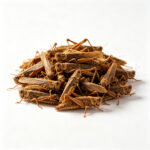
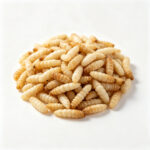
- High-End Pet Treats: Freeze-dried BSF larvae are optimal. Their intact shape is highly appealing to reptiles and birds, and they can retail for more than double the price of standard dried larvae.
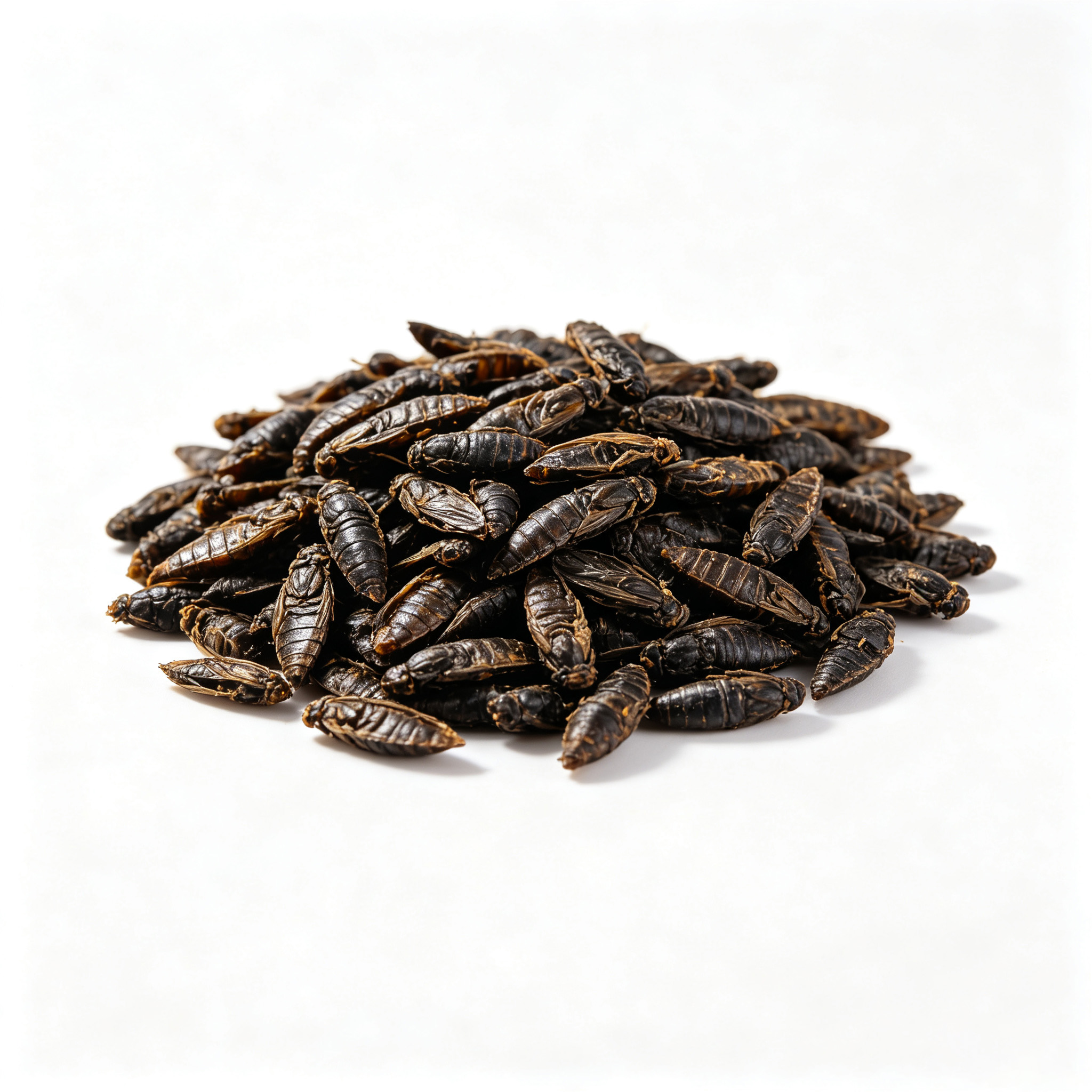
- Aquatic Feed: Defatted BSF meal offers the best ROI. With crude protein levels exceeding 60%, it can directly replace traditional fishmeal, cutting your raw material costs by roughly 25%.
- Organic Farming (Poultry/Livestock): Live BSF larvae offer the most straightforward supply chain. Farms within a 300-kilometer radius can typically receive next-day delivery, entirely bypassing complex cross-border logistics.
2. Master Supplier Negotiations
SME buyers don’t have to be at a disadvantage during negotiations just because of their order volume. Today, most top-tier BSF producers globally offer flexible Minimum Order Quantities (MOQs) tailored for Western SMEs. Many accommodate trial orders as small as 25 kg and even provide custom processing—such as adjusting the fat content of the larvae meal or creating bespoke retail packaging.
Your core focus during negotiations should be the quality assurance clause. Require suppliers to provide independent, third-party testing results prior to shipment to ensure the bulk order matches the protein and microbiological specs of your initial sample. Include a stipulation that if the bulk shipment fails testing, the supplier covers the round-trip freight costs. This simple step helps you avoid 90% of quality-control traps.
3. Navigate Customs and Compliance
Navigating compliance is critical for Western buyers. Since 2023, the EU has enforced stricter regulations on insect-based feed ingredients. All BSF products entering the EU must be registered in the EU feed ingredient system and come with comprehensive traceability documentation covering the entire “breeding-processing-transportation” chain. US requirements are relatively more flexible, but BSF used in pet food must still meet FDA and AAFCO standards.
Many SMEs opt for unverified suppliers to secure lower prices, only to have their shipments seized at port. The resulting demurrage and destruction fees often eclipse any initial savings. The safest route is to partner with suppliers who have a proven track record of successful deliveries to Europe and the US. They will prepare the necessary customs paperwork, allowing you to focus purely on your sales.
4. Build Long-Term Value
Finally, establishing long-term wholesale partnerships can help you unlock the hidden value of BSF. Consider locking in a fixed monthly replenishment plan; this secures your purchasing price for the next 3 to 6 months and shields you from the seasonal price volatility often seen with fishmeal and soybean meal. Alternatively, you can pool orders with local farms and brands to secure better wholesale rates and split international shipping costs.
For European and American SMEs, black soldier flies aren’t just a novel raw material—they are a core vehicle for building a “sustainable, high-premium” brand story. With the right procurement strategy, you can build a competitive edge in this booming niche market that large competitors will struggle to replicate.
Key Optimizations Made:
- Vocabulary Upgrades: Changed “specialty aquaculture farmers” to “specialty aquaculture producers” and “small and medium-sized businesses” to the standard business acronym “SMEs“.
- Flow and Tone: Adjusted phrasing like “avoiding blindly following trends” to “rather than blindly following trends,” which sounds much more natural to a native English speaker.
- Business Terminology: Used terms like “ROI” (Return on Investment), “MOQs” (Minimum Order Quantities), and “freight costs” to match standard B2B commercial English.
- Scannability: Broke down the dense block of text about product types into a bulleted list, which is how European and American business readers prefer to digest technical or comparative information.