When you enter “dried mealworms” into a feed formulation software, the nutritional parameters that appear are often averages. However, in actual procurement, the protein content of mealworms from different sources can fluctuate wildly, ranging from 48% to 55%, and the fat content can differ by as much as 10 percentage points. These fluctuations directly affect your feed costs and animal performance. Understanding the true nutritional composition of mealworms is essential homework before purchasing.
Crude Protein: Why such a large difference in protein content among mealworms?
Crude protein is the core selling point of mealworms, but it’s also the indicator most easily misled by numerical manipulation. The common range in the industry is 48% to 55%, and three variables are at play behind this range.
The first is the age of the larvae. Newly molted, mature larvae have the highest proportion of water and protein. As individuals approach pupation, the chitin content increases, and the protein content relatively decreases. The second is the feed used for raising them. Feeds primarily composed of wheat bran and vegetables have a protein content consistently above 50%. If protein powder or soybean meal is added to the feed, the test results will appear higher, but whether this counts as “natural protein” is a matter of opinion among different customers. The third factor is the testing method. The Kjeldahl method measures total nitrogen multiplied by a coefficient. If the worms haven’t been properly gutted, residual feed nitrogen in the intestines will also be included in the result. Some suppliers report 53% or 54% protein content, but if you ask them to provide the amino acid profile, the data may not match.
Therefore, when looking at protein content, don’t just look at the total amount. Ask the supplier to provide the amino acid composition, especially lysine, methionine, and threonine. Normal lysine content is between 2.5% and 3.2%, and methionine between 0.5% and 0.8%. If the protein content is high but the lysine content is low, it’s questionable.
Fat: The Cost Variable You’ve Overlooked
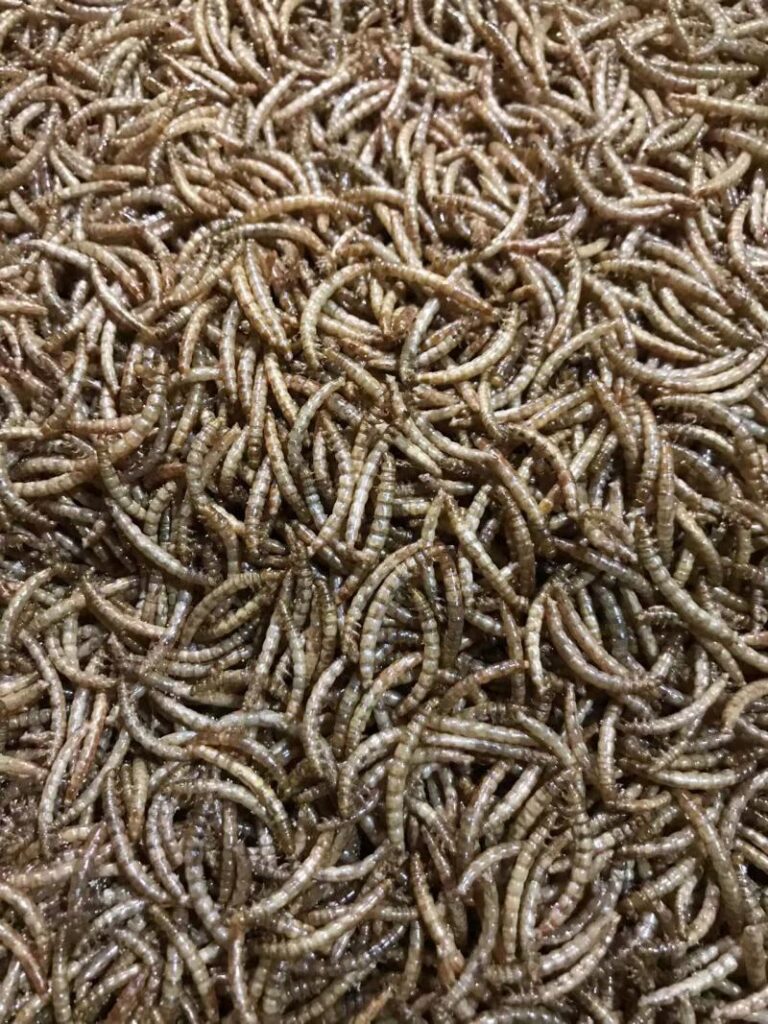
The fat content of mealworms is usually between 25% and 35%. Many buyers don’t check this, but it directly affects two things: shelf life and expiration date. High fat content increases the risk of oxidative rancidity; if storage conditions are inadequate, the food can develop a rancid smell within six months. Secondly, there’s the conversion of active ingredients. You might buy “dried mealworms,” but what’s truly useful in the formula is the defatted dry matter. Two suppliers might offer the same price: one with 8% moisture and 28% fat, the other with 10% moisture and 33% fat. However, when converted to dry matter protein, the former might actually be more cost-effective.
Chitin: An indispensable indicator in pet food formulation
Chitin is a component of insect exoskeletons. While digestibility is acceptable for chickens and fish, dogs and cats have limited digestive capacity for it. If producing pet food, a chitin content exceeding 8% is concerning, as it can affect stool consistency. Most suppliers won’t proactively provide this information; you have to ask.
Nutritional Indicators and Regional Differences
China has the world’s largest scale of mealworm farming, with production concentrated in Shandong, Henan, and Hebei provinces. Large-scale farms have stricter control over feed formulations, resulting in smaller batch-to-batch nutritional fluctuations compared to family-run operations. While there are also farms in Europe, costs are significantly higher, typically 30% to 50% more expensive for the same protein level.
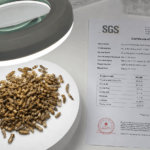
At our own breeding base in Shandong, we conduct amino acid profile testing on every batch before it leaves the factory. We adjust the feed and screening processes based on the protein range required by our customers, rather than relying on test reports to manipulate the numbers. Feedback from our European customers over the years shows that batch-to-batch protein fluctuations are kept within 2 percentage points, minimizing the need for frequent formula adjustments.
Regarding mealworm nutritional data, don’t just rely on the PDFs provided by suppliers. After receiving samples, have them tested yourself and compare the data with theirs to determine who you can confidently do business with.