
In the highly volatile landscape of commercial livestock nutrition, international procurement directors are actively evaluating sustainable alternatives to conventional soybean meal (SBM). While soybean meal has historically dominated global aquaculture and premium poultry feed formulations, escalating pricing volatility, unpredictable agricultural futures markets, and severe ecological concerns—such as deforestation and impending carbon taxation in the European Union—are forcing a massive industry transition. For feed formulators negotiating multimillion-dollar Full Container Load (FCL) contracts, securing a direct procurement pipeline with a primary Bulk Black Soldier Fly Larvae (BSFL) supplier represents a highly strategic nutritional upgrade. However, executing this critical supply chain transition requires a rigorous biochemical comparison between these two competing protein sources. Furthermore, international buyers must understand how industrial dehydration methodologies directly dictate the final biological efficacy of the insect biomass, ultimately determining the commercial Return on Investment (ROI) on the farm.
Amino Acid Profiles and Anti-Nutritional Factors
When analyzing the baseline nutritional profile, soybean meal is a standard bulk commodity that inherently contains anti-nutritional factors. Specifically, raw soy contains trypsin inhibitors and high levels of phytic acid, which actively hinder mineral absorption and reduce overall protein digestibility in young, high-stress livestock. In stark contrast, insect biomass naturally possesses a superior and highly digestible amino acid profile, rich in critical limiting factors such as methionine and lysine. Additionally, it offers a highly functional lipid matrix dominated by antimicrobial lauric acid, which naturally boosts livestock immunity.
However, when international buyers source from an unverified Bulk Black Soldier Fly Larvae (BSFL) supplier that uses conventional thermal oven-roasting or open-air sun-drying, this exceptional nutritional profile is severely compromised. Prolonged exposure to intense external heat inevitably triggers a severe Maillard reaction. In food chemistry, this process irreversibly binds heat-sensitive essential amino acids to reducing sugars, locking the proteins and rendering them biologically unavailable. When commercial fish or poultry consume this heat-damaged biomass, their digestive systems fail to metabolize the bound nutrients. This biological failure leads to a stunted Feed Conversion Ratio (FCR), forcing the feed mill to purchase expensive synthetic amino acids to supplement the formulation, thereby erasing any initial procurement savings. According to agricultural sustainability guidelines detailed by the Food and Agriculture Organization (FAO), optimizing the processing methodology is just as critical as sourcing the raw ingredient itself.
Advanced Dehydration and Logistical Stability
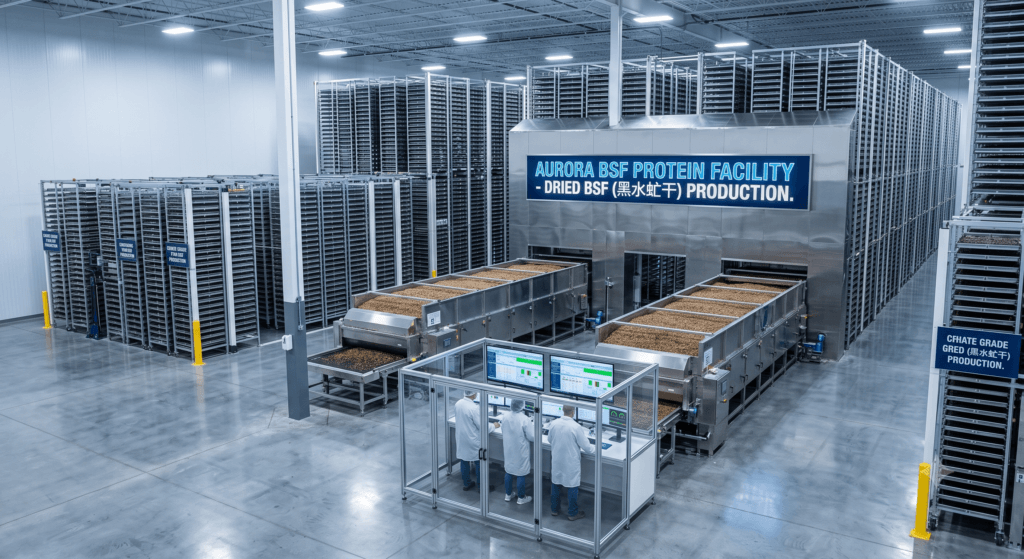
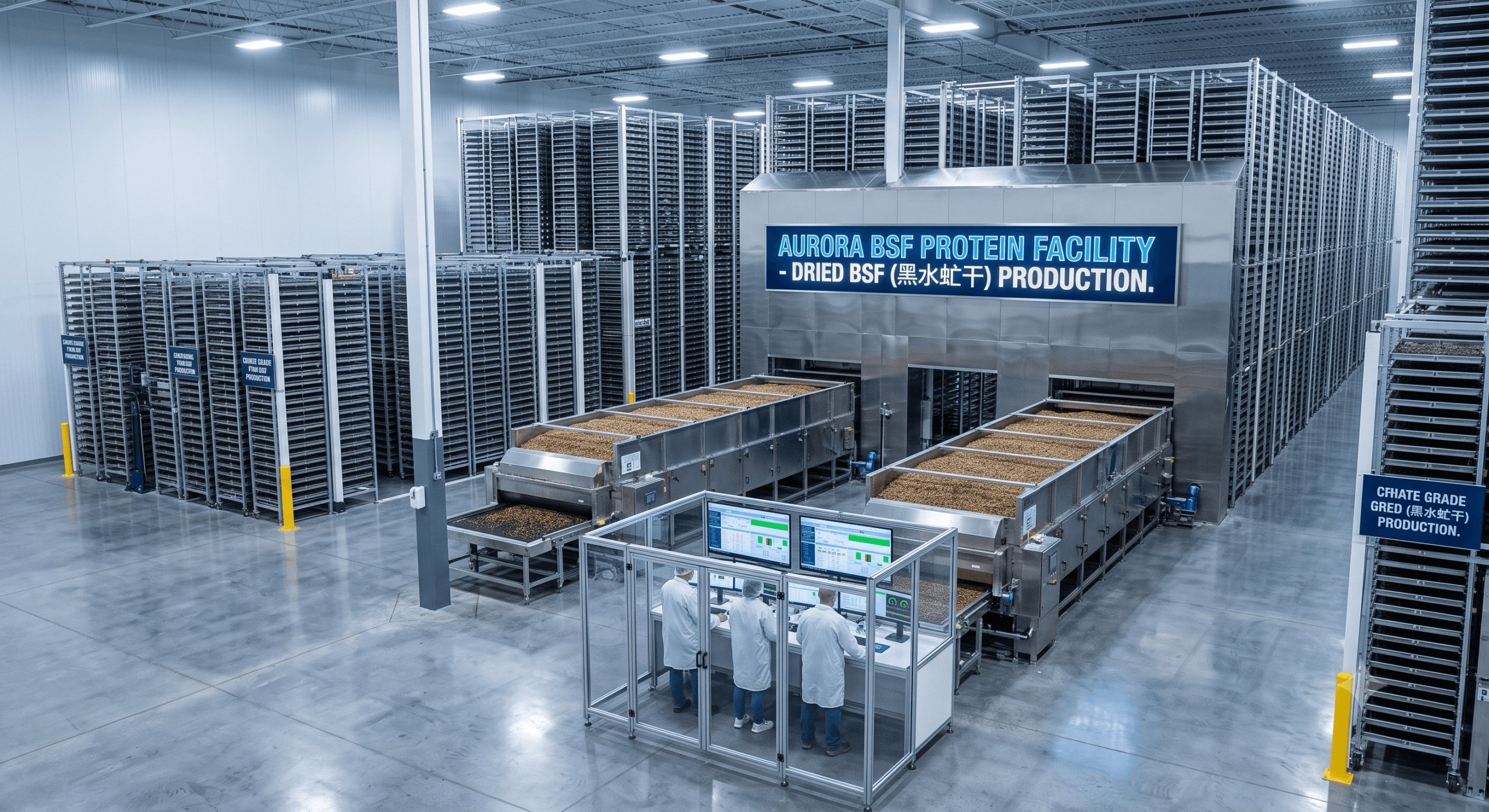
To systematically protect these sensitive bioactive compounds and eliminate the severe financial risks associated with thermal degradation, a technologically advanced Bulk Black Soldier Fly Larvae (BSFL) supplier uses industrial microwave dehydration. This state-of-the-art volumetric heating method generates heat directly from the water molecules within the insect itself, ensuring rapid, highly uniform moisture evaporation from the inside out. By drastically reducing the overall drying time to a mere fraction of conventional methods, the factory successfully bypasses the thermal degradation zone.
This precise molecular preservation prevents amino acid binding and protects the delicate lauric acid lipids from rancidity and oxidation. Just as rigorous processing exactitude is required when manufacturing premium Dried Mealworms, maintaining this structural integrity ensures that the livestock can efficiently absorb the intact nutrients. Furthermore, a direct Bulk Black Soldier Fly Larvae (BSFL) supplier leverages this advanced technology to guarantee an internal moisture content strictly below the ≤5% moisture threshold.
Extrusion Efficiency and FCL Procurement
This sub-5% exactitude acts as a powerful industrial sterilization phase and a critical logistical safeguard. It completely eradicates active pathogens and effectively prevents dangerous container rain. During a standard 30- to 40-day ocean transit under standard CIF or FOB terms, extreme temperature fluctuations cause hidden residual moisture to evaporate and condense on the container ceiling, triggering massive aflatoxin proliferation. Microwave dehydration eliminates this risk, securing an incredibly stable 18-month shelf life without artificial chemical preservatives. Additionally, avoiding extreme external heat preserves the natural structural elasticity of the insect exoskeleton. This prevents the biomass from shattering into wasteful fine dust during the high-pressure automated feed extrusion process, ensuring maximum material yield for the feed mill. Ultimately, a reputable Bulk Black Soldier Fly Larvae (BSFL) supplier provides complete supply chain traceability, bypassing the mixed-batch degradation often caused by third-party agricultural brokers.
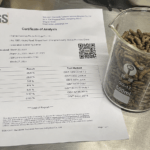
Smart international buyers do not commit to massive FCL contracts blindly. Instead, they demand rigorous scientific validation and verifiable Certificate of Analysis (COA) documents per batch. By partnering with a primary Bulk Black Soldier Fly Larvae (BSFL) supplier that prioritizes advanced volumetric dehydration, commercial formulators can stabilize their global supply chains, optimize livestock immunity, and maximize their overall commercial return on investment.
Looking for a reliable Bulk Black Soldier Fly Larvae (BSFL) supplier? BulkInsects uses advanced microwave dehydration technology to deliver premium insect ingredients with verified SGS documentation. Start your market test with our 1000kg MOQ. Contact us today for CIF pricing and free samples.