
With the EU officially approving UV-treated full-fat mealworm powder as a novel food product in 2025, the demand for insect protein in the North American pet and aquatic feed market is growing rapidly at a rate of 15% annually. Bulk procurement of high-quality mealworms has become a core requirement for companies in the food, pet care, and animal feed industries. This guide breaks down the key steps in building a compliant and cost-effective supply chain, fully aligning with regulatory standards and business procurement practices in Europe and the US.
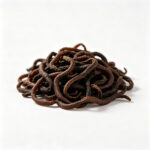
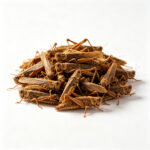
Before contacting suppliers, it’s crucial to clearly define your product specifications. For pet food retailers targeting wild birds, reptiles, and exotic pet owners, the most popular SKUs are whole, dried mealworms with a crude protein content of 52%-58%, no additives, and a moisture content below 8%. Food manufacturers planning to add mealworm powder to bread, pasta, or protein bars need suppliers providing defatted mealworm powder that meets EU novel food standards and has undergone complete pathogen testing. Under current EU regulations, the maximum addition percentage of this product in baked goods cannot exceed 4%. For aquatic feed manufacturers, bulk live or frozen mealworms are an ideal raw material to replace some traditional fishmeal in high-protein formulations. Clearly defining these specifications in advance will help you quickly filter out unsuitable suppliers, avoiding costly order adjustments later.
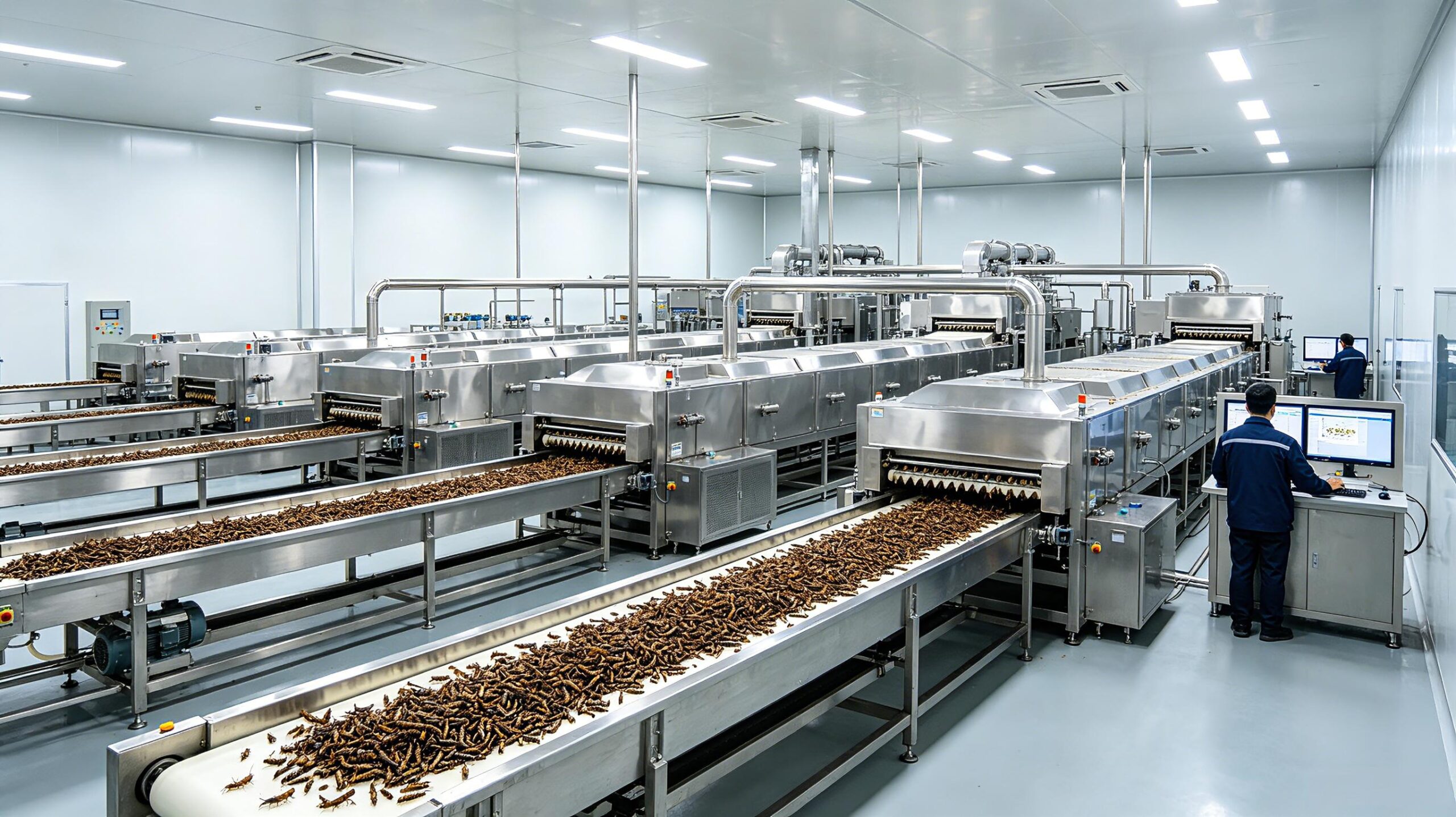
Next, you should select suppliers according to three uncompromising standards to mitigate supply chain risks. First, compliance qualifications: Any supplier exporting to the EU must hold a valid export feed production registration certificate issued by the General Administration of Customs of China, and possess a complete HACCP and SSOP quality management system to successfully pass border inspections and meet local food safety requirements. Second, production capacity: Prioritize suppliers with an annual production capacity exceeding 1,000 tons. These companies can guarantee stable monthly supplies even during peak demand seasons, avoiding the frequent supply disruptions experienced by small family farms. Third, process transparency: Leading suppliers use microwave drying or low-temperature vacuum freeze-drying technology, rather than traditional high-temperature drying processes, which retains over 90% of the original nutrients and kills harmful microorganisms without damaging the natural amino acid structure.
When negotiating bulk purchase terms, you must balance cost efficiency with supply flexibility. Currently, the FOB price range for standard dried yellow mealworms in the global market is $850 to $1,000 per ton, with a standard minimum order quantity of 20 tons. When signing long-term contracts of 6 to 12 months, you can negotiate a 5%-10% discount while locking in prices to hedge against seasonal market fluctuations. It’s recommended to set aside 10% of your annual procurement volume as a flexible inventory reserve to cope with sudden peak demand for insect protein products. Before finalizing the contract, clearly define terms such as third-party laboratory testing reports, food-grade sealed long-distance transportation packaging, and a 30-day delivery cycle to ensure the goods arrive intact and on time.
Finally, establish a post-delivery quality control system to maintain long-term operational stability. Upon arrival, randomly sample and check for impurities, off-odors, and moisture content, and cross-verify the protein testing report against the specifications agreed upon before ordering. For companies planning to expand their product lines, deeper collaboration with qualified suppliers can be undertaken to develop customized products such as defatted mealworm powder and insect oil extracts, extending their value chain and entering the rapidly growing high-value-added functional food market.
By following these structured steps, European and American companies can build a resilient and compliant mealworm supply chain and seize the huge growth opportunities in the sustainable insect protein market—a type of protein that far outperforms traditional livestock proteins in terms of water consumption and feed conversion rate.